
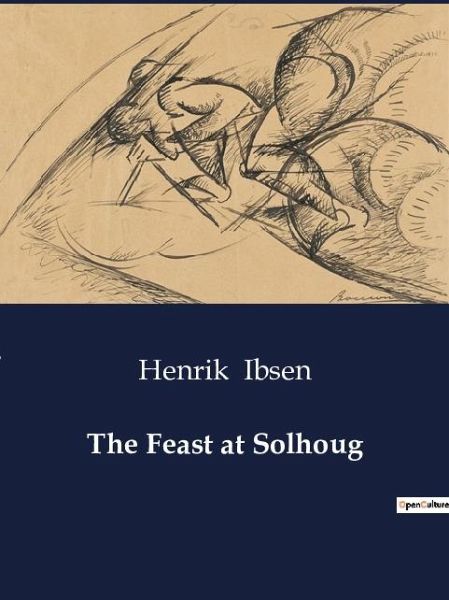
The Feast at Solhoug
A Dramatic Exploration of Love, Power, and Destiny in Medieval Norway
Versandkostenfrei!
Versandfertig in 1-2 Wochen
15,00 €
inkl. MwSt.
Weitere Ausgaben:

PAYBACK Punkte
0 °P sammeln!

"The Feast at Solhoug" is a lyrical drama by Henrik Ibsen, set in the medieval Norwegian landscape. The play unfolds in the grand hall of Solhoug, where Margit, the lady of the house, is preparing for a feast to celebrate her wedding anniversary with Bengt Gauteson. The narrative is driven by the arrival of Gudmund Alfson, Margit's kinsman, who returns from abroad under the shadow of outlawry. His unexpected presence stirs old emotions and unveils hidden tensions within the household. Margit, who once shared a close bond with Gudmund, finds herself trapped in a loveless marriage, yearning for ...
"The Feast at Solhoug" is a lyrical drama by Henrik Ibsen, set in the medieval Norwegian landscape. The play unfolds in the grand hall of Solhoug, where Margit, the lady of the house, is preparing for a feast to celebrate her wedding anniversary with Bengt Gauteson. The narrative is driven by the arrival of Gudmund Alfson, Margit's kinsman, who returns from abroad under the shadow of outlawry. His unexpected presence stirs old emotions and unveils hidden tensions within the household. Margit, who once shared a close bond with Gudmund, finds herself trapped in a loveless marriage, yearning for the freedom and happiness of her past. As the feast progresses, the characters navigate a web of love, change, and societal expectations. Margit's sister, Signe, embodies innocence and hope, contrasting with Margit's disillusionment. The play explores themes of personal sacrifice, the constraints of societal roles, and the pursuit of true happiness. Ibsen's use of lyrical dialogue and the influence of Scandinavian ballads imbue the play with a rich, melodic quality, reflecting the inner turmoil and desires of the characters. The drama culminates in a poignant reflection on the choices that define one's destiny, leaving the audience to ponder the balance between duty and desire.

Andere Kunden interessierten sich für