KI-Beratung Beta

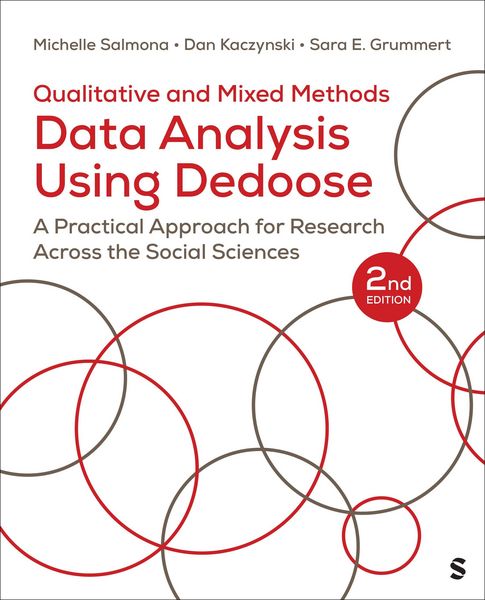
Produktbild: Qualitative and Mixed Methods Data Analysis Using Dedoose(r)

Qualitative and Mixed Methods Data Analysis Using Dedoose(r) A Practical Approach for Research Across the Social Sciences

Aus der Reihe SAGE Inc

69,99 €

inkl. gesetzl. MwSt., Versandkostenfrei


Beschreibung

Qualitative and Mixed Methods Data Analysis Using Dedoose® provides both new and experienced researchers with a guided introduction to dealing with the methodological complexity of mixed methods and qualitative inquiry using Dedoose® software.

Beschreibung

Qualitative and Mixed Methods Data Analysis Using Dedoose® provides both new and experienced researchers with a guided introduction to dealing with the methodological complexity of mixed methods and qualitative inquiry using Dedoose® software.

Produktdetails

Einband

Taschenbuch

Erscheinungsdatum

10.03.2026

Verlag SAGE Publications
Seitenzahl

408

Produktdetails

Einband

Taschenbuch

Erscheinungsdatum

10.03.2026

Verlag SAGE Publications
Seitenzahl

408

Maße (L/B)

22,9/15,2 cm

Gewicht

680 g

Auflage

2nd edition

Sprache

Englisch

ISBN

978-1-07-194993-1

Herstelleradresse

Libri GmbH
Europaallee 1
36244 Bad Hersfeld
DE

Email: gpsr@libri.de

Noch keine Bewertungen vorhanden

Verfassen Sie die erste Bewertung zu diesem Artikel

Helfen Sie anderen Kundinnen und Kunden durch Ihre Meinung.

Kundinnen und Kunden meinen

Bewertungen (0)

Weitere Artikel findest du in

  • Produktbild: Qualitative and Mixed Methods Data Analysis Using Dedoose(r)
  • Foreword by Eli Lieber
    Preface
    Acknowledgements
    Glossary: Dedoose Common Terms
    About the Authors
    Part I: Foundations of Research
    Chapter 1: Introduction
    1.1 Overview of the Book
    1.2 What is Dedoose?
    1.3 Course Adoption
    1.4 Dedoose for Literature Review: A Guide for Researchers
    1.5 Appendix: Keyboard Shortcuts
    Chapter 2: Qualitative Data Analysis
    2.1 Framing the study
    2.2 Aligning Theory to the Analytic Approach
    2.3 Getting Started with the Analysis of Raw Data
    2.4 Building Connections and Finding Relationships
    2.5 Analytic Rabbit holes
    Chapter 3: Mixed Methods Data Analysis
    3.1 Mixed Methods and Mixed Paradigms
    3.2 Identifying Mixed Methods Analysis Strategies
    3.3 Preparing for Mixed Methods Analysis
    Chapter 4: Data Management
    4.1 Gathering data
    4.2 Numbers as data
    4.3 Memos as data
    4.4 Preparing data for import
    4.5 Conclusion
    Appendix: Types of interview data
    Part II: Data Interaction and Analysis
    Chapter 5: Doing Qualitative Analysis in Dedoose
    5.1 Working with media and excerpts in Dedoose
    5.2 Working with codes in Dedoose
    5.3 Memos in Dedoose
    5.4 Qualitative coding tips
    5.5 Conclusion
    Chapter 6: Doing Mixed Methods Analysis in Dedoose
    6.1 Working with Numeric and Categorical Data
    6.2 Recognizing and Managing Complexity in Analysis
    6.3 Data Complexity in Your Project
    6.4 Mixed methods code tips | Integrating mixed methods data during analysis
    6.5 Mixing Qualitative and Quantitative Data by Hannah Calvert
    6.6 Conclusion
    Chapter 7: Analysis Through Visualization
    7.1 Using Visualization Tools for Analysis
    7.2 Code Charts
    7.3 Code and Descriptor Charts
    7.4 Descriptor Charts
    7.5 Moving Through and Filtering Your Data
    7.6 Conclusion
    Chapter 8: Advanced Tools and Automation in Dedoose
    8.1 Advanced Codebook Management
    8.2 Text Analytics
    8.3 Automation Tools in Dedoose
    8.4 Using Artificial Intelligence
    8.5 Summary
    Chapter 9: Teamwork Analysis Techniques
    9.1 Team development
    9.2 Collaborative Interpretations
    9.3 Team Guidelines
    Chapter 10: Collaborating Successfully in Dedoose
    10.1 When to Work with Others
    10.2 Approaches to Team Coding in Dedoose
    10.3 Developing a Team Coding Process | Tips and Guidelines
    10.4 Conclusion
    10.5 Appendix | Access Group Categories in Dedoose
    Conclusion to Part Two: Data Interaction and Analysis
    Part III: Reporting Credible Results and Sharing Findings
    Chapter 11: Sharing Data with a Larger Audience
    11.1 Reaching a Larger Audience
    11.2 Sharing Qualitative Social Science Data by QDR
    11.3 Data Anonymization by Hannah Calvert
    11.4 Changing Reporting Practices: Open Access
    11.5 Conclusion
    Chapter 12: Reporting Your Findings
    12.1 Reaching Your Audience
    12.2 Qualitative Methods Procedural Checklist
    12.3 Mixed Methods Procedural Checklist
    12.4 Reporting to Multiple Audiences
    12.5 Effective Research Communication Across Diverse Audiences
    Chapter 13: Qualitative Analysis and AI: What does the future hold?
    13.1 Introduction
    13.2 Qualitative Practices Shifting from Past to Present
    13.3 AI Adoption in Qualitative Analysis
    13.4 An Epistemological Conundrum
    13.5 Overcoming Limitations of AI
    13.6 Building a Framework for the Future
    Chapter 14: Ending the Book
    14.1 Navigating the Evolving Landscape of Research
    14.2 Revisiting Our Path
    14.3 Key Takeaways
    14.4 The Road Ahead
    14.5 Final Word
    Afterword
    References
    Index