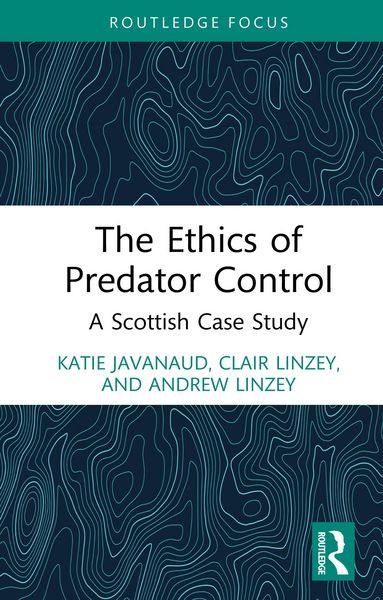
The Ethics of Predator Control A Scottish Case Study
31,49 €
inkl. gesetzl. MwSt.Beschreibung
Produktdetails
Format
Kopierschutz
Ja
Family Sharing
Nein
Text-to-Speech
Nein
Erscheinungsdatum
26.09.2025
Verlag
Taylor & Francis eBooksSeitenzahl
122 (Printausgabe)
Dateigröße
1453 KB
Sprache
Englisch
EAN
9781040757086
This book offers a timely contribution to the ethical discourse on predator control, particularly in the context of Scottish moor management. It provides a detailed examination of the moral arguments surrounding animal welfare and conservation, engaging with contemporary debates in environmental ethics, wildlife management, and animal rights.
Organised into two parts, Part 1 comprises a report by the Oxford Centre for Animal Ethics on the ethics of predator control for members of the Scottish Parliament. The central argument critically assesses the morality of predator control, aligning with broader discussions on sentience, suffering, and human responsibilities towards nonhuman animals. Part 1 also proposes the promulgation of a new charter for free-living animals. This legislation should begin with the recognition of sentiency and enshrine in law the value and dignity of free-living animals such that their right to live unmolested is respected. Part 2 contains detailed rebuttals of subsequent criticisms of the report. Over 120 scholars worldwide have endorsed the report.
Given the growing interest in rewilding, biodiversity conservation, and ethical hunting debates, this book has the potential to be a significant resource for scholars, policymakers, and advocacy groups. It will also be of interest to students and academics in the fields of ethics, conservation, philosophy, ecology, and animal law.
Kundinnen und Kunden meinen
Verfassen Sie die erste Bewertung zu diesem Artikel
Helfen Sie anderen Kund*innen durch Ihre Meinung
Kurze Frage zu unserer Seite
Vielen Dank für dein Feedback
Wir nutzen dein Feedback, um unsere Produktseiten zu verbessern. Bitte habe Verständnis, dass wir dir keine Rückmeldung geben können. Falls du Kontakt mit uns aufnehmen möchtest, kannst du dich aber gerne an unseren Kund*innenservice wenden.
zum Kundenservice