Beschreibung
Produktdetails
Einband
Taschenbuch
Erscheinungsdatum
04.07.2025
Verlag
Im PressdSeitenzahl
212
Maße (L/B/H)
22,9/15,2/1,4 cm
Gewicht
463 g
Sprache
Englisch
ISBN
978-0-9793215-8-0
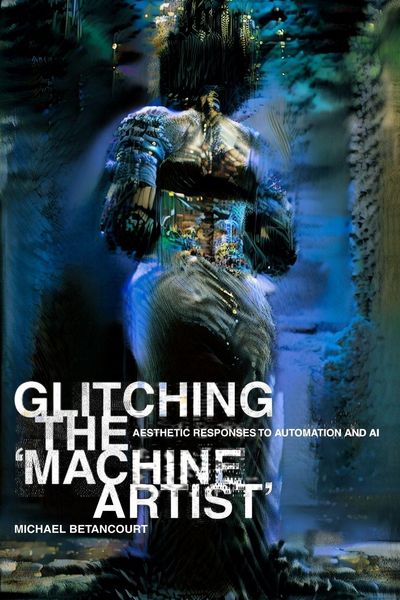
"a blueprint for critical resistance and aesthetic defiance in the face of digital capitalism and a rising new age" - Laila Shereen Sakr/ VJ Um Amel Fear of the 'machine artist' reflects a deep cultural anxiety about industrialization, shaped by unresolved conflicts over automation and its potential to supplant human artists. Automated machinery represents both a technical development and a social paradigm that redefines labor, authorship, and creativity itself. Glitching the 'Machine Artist' is neither utopian nor dystopian. It offers the first comprehensive theory connecting Glitch Art to its industrial foundations. By blending analysis, theory, and criticism, this book shows how debates over AI continue a centuries-long negotiation between human agency and automation. It links these generative technologies to the assembly line and industrialization while exploring their aesthetic influence on art. By analyzing how photography functioned as the original 'machine artist,' this book explains why current fears about AI-generated art echo historical anxieties about objectivity, originality, and human agency. Glitch Art offers a unique vehicle to examine these entanglements. From eighteenth-century Romanticism through to analogue and digital media, artists have responded to technological innovation in three distinct ways: either by emphasizing the artist's handicraft, or in a metaphysical refusal of machinery, or in a formalist embrace of medium-specific 'purity.' The contemporary challenge is to develop strategies to understand, critique, and defy the power of technological change. As AI transforms our world, the future of human agency is in question. The problem for artists, technologists, and everyone concerned with human creativity lies with the links between aesthetics, innovation, and the role of the artist-challenging assumptions about expression versus randomness, originality versus reproduction, and human versus machine. Acknowledging these dynamics opens up the possibility for radical change, beyond merely asserting human agency, or surrendering to technological determinism.
Noch keine Bewertungen vorhanden
Verfassen Sie die erste Bewertung zu diesem Artikel
Helfen Sie anderen Kundinnen und Kunden durch Ihre Meinung.
Kurze Frage zu unserer Seite
Vielen Dank für dein Feedback
Wir nutzen dein Feedback, um unsere Produktseiten zu verbessern. Bitte habe Verständnis, dass wir dir keine Rückmeldung geben können. Falls du Kontakt mit uns aufnehmen möchtest, kannst du dich aber gerne an unseren Kund*innenservice wenden.
zum Kundenservice