KI-Beratung Beta

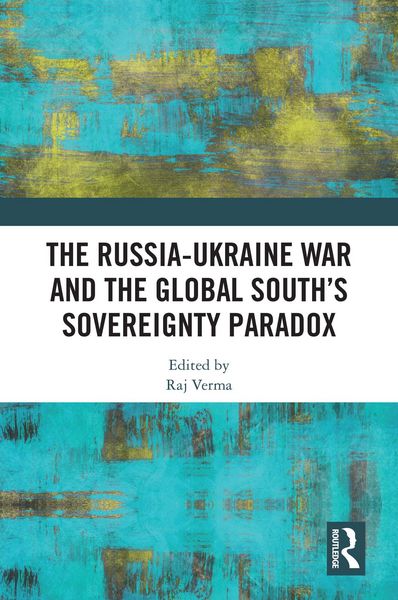
Produktbild: The Russia-Ukraine War and the Global South's Sovereignty Paradox

The Russia-Ukraine War and the Global South's Sovereignty Paradox

80,99 €

inkl. gesetzl. MwSt.

Beschreibung

This book examines the sovereignty paradox in the Global South within the context of the Russia-Ukraine war. It illustrates the contradiction that countries which helped establish the post-World War II norm of "equal sovereignty"-entitling all nations to the same respect for sovereignty and territorial...

Beschreibung

This book examines the sovereignty paradox in the Global South within the context of the Russia-Ukraine war. It illustrates the contradiction that countries which helped establish the post-World War II norm of "equal sovereignty"-entitling all nations to the same respect for sovereignty and territorial integrity as the West-are reluctant to publicly condemn Russia's infringement on Ukraine's sovereignty.

The chapters in this volume further highlight the Global South's duplicity because the Global South has been extremely critical of the US-led West for violating the United Nations Charter, international law and compromising on the sovereignty and territorial integrity of countries in the Global South. Through the analysis of nine countries, the contributions discuss each nation's foreign policy tenets and how they have been violated in their stance on the Russia-Ukraine war and the justifications for such deviations. It also illustrates that "cherry picking" is the norm that states have adopted in employing the concept of sovereignty and this is likely to continue in the future.

This book will be of interest to students, scholars, analysts, and policymakers in the fields of international relations, political science, geopolitics, and Global South studies.

The chapters in this book were originally published as a special issue of Contemporary Security Policy.

Produktdetails

Format

PDF

Kopierschutz

Ja

Family Sharing

Nein

Text-to-Speech

Nein

Produktdetails

Format

PDF

Format

eBooks im PDF-Format haben eine festgelegte Seitengröße und eignen sich daher nur bedingt zum Lesen auf einem tolino eReader oder Smartphone. Für den vollen Lesegenuss empfehlen wir Ihnen bei PDF-eBooks die Verwendung eines Tablets oder Computers.

Kopierschutz

Ja

Kopierschutz

Zum Lesen dieses eBooks auf Geräten der tolino Familie sowie auf sonstigen eReadern und am PC benötigen Sie eine ByteBook-ID. Weitere Hinweise zum Lesen von kopiergeschützten eBooks finden Sie unter Hilfe/Downloads.

Family Sharing

Nein

Family Sharing

Mit Family Sharing können Sie eBooks innerhalb Ihrer Familie (max. sechs Mitglieder im gleichen Haushalt) teilen. Sie entscheiden selbst, welches Buch Sie mit welchem Familienmitglied teilen möchten. Auch das parallele Lesen durch verschiedene Familienmitglieder ist durch Family Sharing möglich. Um eBooks zu teilen oder geteilt zu bekommen, muss jedes Familienmitglied ein Konto bei Thalia oder einem anderen tolino-Buchhändler haben. Weitere Informationen finden Sie unter Hilfe/Family-Sharing.

Text-to-Speech

Nein

Text-to-Speech

Bedeutet Ihnen Stimme mehr als Text? Mit der Funktion Text-to-Speech können Sie sich im tolino webReader und in der aktuellen Thalia – Lesen & Hören App das eBook vorlesen lassen. Weitere Informationen finden Sie unter Hilfe/Text-to-Speech.

Erscheinungsdatum

04.06.2025

Herausgeber Raj Verma
Verlag Taylor & Francis eBooks
Seitenzahl

158 (Printausgabe)

Dateigröße

4852 KB

Sprache

Englisch

EAN

9781040378823

Barrierefreiheit
  • navigierbares Inhaltsverzeichnis
  • kurze Alternativtexte (z.B. für Abbildungen) vorhanden
  • keine Vorlesefunktionen des Lesesystems deaktiviert
  • navigierbarer Index
  • Seitennummerierung folgt dem gedruckten Werk

Noch keine Bewertungen vorhanden

Verfassen Sie die erste Bewertung zu diesem Artikel

Helfen Sie anderen Kundinnen und Kunden durch Ihre Meinung.

Kundinnen und Kunden meinen

Bewertungen (0)

Weitere Artikel findest du in

Die Leseprobe wird geladen.
  • Produktbild: The Russia-Ukraine War and the Global South's Sovereignty Paradox