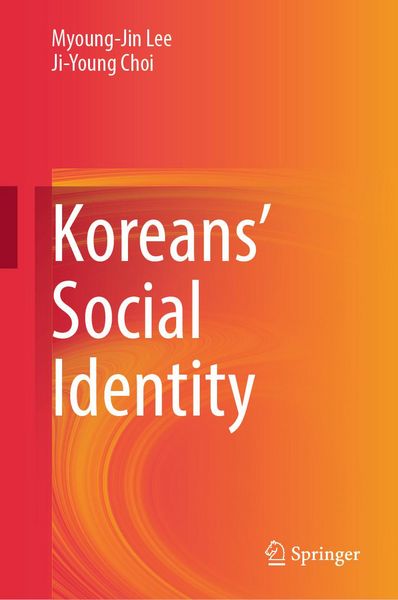
Koreans' Social Identity
-
- Hardcover
- Taschenbuch
- eBook ausgewählt
-
Form:Einzelkauf Download
-
Sprache:Englisch
117,69 €
inkl. gesetzl. MwSt.Beschreibung
Produktdetails
Format
Kopierschutz
Nein
Family Sharing
Nein
Text-to-Speech
Nein
Erscheinungsdatum
31.03.2025
Verlag
Springer Nature SingaporeSeitenzahl
181 (Printausgabe)
Dateigröße
3285 KB
Sprache
Englisch
EAN
9789819616107
This book examines the changing characteristics of Korean society and Koreans in various areas, including politics, economics, and society, providing rich analyses on social identity. Factoring in the trajectory of Korean history, the authors chart the rapid economic growth of Korea and the ways in which this has significantly improved Koreans' material living standards. The book shows that despite the Cold War and inter-Korean confrontation, active citizen participation has institutionalized democracy in Korea. A society once characterized by strong familial ties and patriarchal verticality has shifted to a more horizontal structure with diverse values. Transitions from agricultural to industrial and information societies have occurred within one or two generations. Rapid aging is another critical issue, with Korea experiencing one of the fastest aging trends globally. The shift toward a multicultural society challenges the traditional identity of Koreans based on a single ethnicity. Against this backdrop, this book seeks to capture the characteristics of changing Korean society and the people living in it, based on the concept of social identity that an individual's evaluation is not just a temporary personal feeling or prejudice but a cultural product. It allows for an objective analysis of a society or its cultural characteristics by measuring social identity. The first part of the book introduces the concept of social identity and presents analysis results in several fields. The second examines changes in the values and attitudes of representative Koreans. The third part discusses the social problems and tasks created by the changes in various values and attitudes. Finally, the last section explores concrete measures to overcome these problems and aim for social integration in future and emphasizes elements that enhance social trust and integration. It is relevant to sociologists and scholars working across various social science dimensions focused on Korea.
Noch keine Bewertungen vorhanden
Verfassen Sie die erste Bewertung zu diesem Artikel
Helfen Sie anderen Kundinnen und Kunden durch Ihre Meinung.
Kurze Frage zu unserer Seite
Vielen Dank für dein Feedback
Wir nutzen dein Feedback, um unsere Produktseiten zu verbessern. Bitte habe Verständnis, dass wir dir keine Rückmeldung geben können. Falls du Kontakt mit uns aufnehmen möchtest, kannst du dich aber gerne an unseren Kund*innenservice wenden.
zum Kundenservice