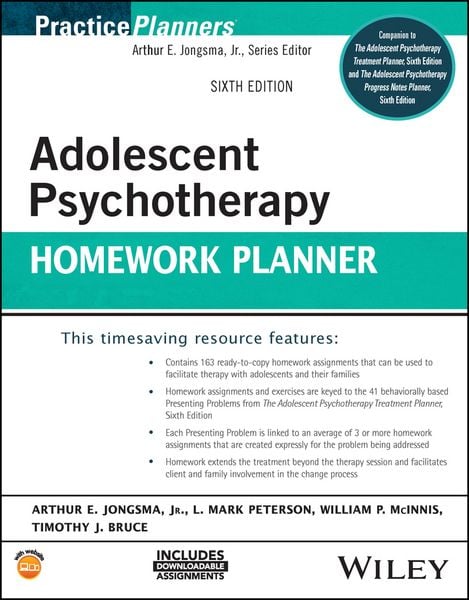
Produktbild: Adolescent Psychotherapy Homework Planner

Adolescent Psychotherapy Homework Planner

Aus der Reihe PracticePlanners

69,99 €

inkl. gesetzl. MwSt., Versandkostenfrei

Lieferung nach Hause

Beschreibung

Produktdetails

Einband

Taschenbuch

Erscheinungsdatum

11.01.2024

Verlag

John Wiley & Sons Inc

Seitenzahl

656

Maße (L/B/H)

27,2/21,3/3,3 cm

Gewicht

1216 g

Auflage

6th edition

Sprache

Englisch

ISBN

978-1-119-98764-2

Beschreibung

Produktdetails

Einband

Taschenbuch

Erscheinungsdatum

11.01.2024

Verlag

John Wiley & Sons Inc

Seitenzahl

656

Maße (L/B/H)

27,2/21,3/3,3 cm

Gewicht

1216 g

Auflage

6th edition

Sprache

Englisch

ISBN

978-1-119-98764-2

Herstelleradresse

Libri GmbH
Europaallee 1
36244 Bad Hersfeld
DE

Email: [email protected]

Kundinnen und Kunden meinen

0 Bewertungen

Informationen zu Bewertungen

Zur Abgabe einer Bewertung ist eine Anmeldung im Konto notwendig. Die Authentizität der Bewertungen wird von uns nicht überprüft. Wir behalten uns vor, Bewertungstexte, die unseren Richtlinien widersprechen, entsprechend zu kürzen oder zu löschen.

Die Bewertungen sind nach Format, Anzahl Sterne und Datum sortiert.

Verfassen Sie die erste Bewertung zu diesem Artikel

Helfen Sie anderen Kund*innen durch Ihre Meinung

Kundinnen und Kunden meinen

0 Bewertungen filtern

Die Leseprobe wird geladen.
  • Produktbild: Adolescent Psychotherapy Homework Planner
  • About the Downloadable Assignments xv

    PracticePlanners ® Series Preface xvi

    Acknowledgments xviii

    Introduction 1

    Section 1: Academic Underachievement 4

    Exercise 1.A Attitudes About Homework 5

    Exercise 1.B Break It Down into Small Steps 11

    Exercise 1.C Good Grade/Bad Grade Incident Reports 15

    Section 2: Adoption 18

    Exercise 2.A Beginning a Search for Birth Parents 19

    Exercise 2.B Considering a Search for Birth Parents 22

    Exercise 2.C My Child's Search for Birth Parents 26

    Exercise 2.D Questions and Concerns Around Being Adopted 29

    Exercise 2.E Some Things I'd Like You to Know 31

    Section 3: Anger Control Problems 34

    Exercise 3.A Anger Checklist 35

    Exercise 3.B Anger Control 39

    Exercise 3.C Stop Yelling 45

    Exercise 3.D Thought Stopping 48

    Section 4: Anxiety 50

    Exercise 4.A Finding and Losing Your Anxiety 51

    Exercise 4.B Progressive Muscle Relaxation 54

    Exercise 4.C Tools for Anxiety 58

    Exercise 4.D What Makes Me Anxious 61

    Exercise 4.E Worry Time 65

    Section 5: Attention-Deficit/Hyperactivity Disorder (ADHD) 67

    Exercise 5.A Channel Your Energy in a Positive Direction 68

    Exercise 5.B Evaluating Medication Effects 72

    Exercise 5.C Getting It Done 77

    Exercise 5.D Problem- Solving Exercise 82

    Exercise 5.E Social Skills Exercise 86

    Section 6: Autism Spectrum Disorder 90

    Exercise 6.A Managing the Meltdowns 91

    Exercise 6.B Moving Toward Independence 94

    Exercise 6.C Progress: Past, Present, and Future 97

    Exercise 6.D Progress Survey 100

    Section 7: Bipolar Disorder 103

    Exercise 7.A Action Minus Thought Equals Painful Consequences 104

    Exercise 7.B Clear Rules, Positive Reinforcement, Appropriate Consequences 107

    Exercise 7.C Medication Resistance 110

    Exercise 7.D Mood Disorders Symptom List 113

    Section 8: Blended Family 115

    Exercise 8.A A Few Things About Me 116

    Exercise 8.B Assessing the Family- Present and Future 118

    Exercise 8.C Interaction as a Family 121

    Exercise 8.D Stepparent and Sibling Questionnaire 124

    Section 9: Bullying/Aggression Perpetrator 127

    Exercise 9.A Apology Letter for Bullying 128

    Exercise 9.B Bullying Incident Report 131

    Exercise 9.C Factors Contributing to Bullying 135

    Exercise 9.D Reasons for Rage 138

    Section 10: Bullying/Aggression Victim 141

    Exercise 10.A Calm Response to Verbal Bullying 142

    Exercise 10.B Effective Ways to Manage Cyberbullying 146

    Exercise 10.C Identify Impact of Bullying 150

    Section 11: Conduct Disorder/Delinquency 152

    Exercise 11.A Catch Your Teen Being Responsible 153

    Exercise 11.B Headed in the Right Direction 156

    Exercise 11.C How My Behavior Hurts Others 160

    Exercise 11.D Letter to Absent or Uninvolved Parent 163

    Exercise 11.E Patterns of Stealing 166

    Section 12: Depression-Unipolar 168

    Exercise 12.A Bad Thoughts Lead to Depressed Feelings 169

    Exercise 12.B Becoming Assertive 173

    Exercise 12.C Home, School, and Community Activities I Enjoyed 177

    Exercise 12.D Overcoming Helplessness and Hopelessness 181

    Exercise 12.E Surface Behavior/Inner Feelings 185

    Exercise 12.F Three Ways to Change the World 189

    Exercise 12.G Unmet Emotional Needs- Identification and Satisfaction 192

    Section 13: Divorce Reaction 195

    Exercise 13.A Impact of Parents' Separation/Divorce 196

    Exercise 13.B Initial Reaction to Parents' Separation 199

    Exercise 13.C My Thoughts, Feelings, and Beliefs About Divorce 203

    Exercise 13.D Stop the Fighting 206

    Section 14: Eating Disorder 208

    Exercise 14.A Body Image 209

    Exercise 14.B Fears Beneath the Eating Disorder 212

    Exercise 14.C Plan and Eat a Meal 216

    Exercise 14.D Reality: Food Intake, Weight, Thoughts, and Feelings 219

    Section 15: Gender Dysphoria 224

    Exercise 15.A Exploring Development of Gender Identity 226

    Exercise 15.B Current Experience of Gender Identity 232

    Exercise 15.C Gender Identity: Future Me 236

    Section 16: Grief/Loss Unresolved 238

    Exercise 16.A Create a Memory Album 239

    Exercise 16.B Grief Letter 241

    Exercise 16.C Honoring the Anniversary of the Loss 245

    Exercise 16.D Memorial Collage 247

    Exercise 16.E Moving Closer to Resolution 249

    Section 17: Intellectual Disability 252

    Exercise 17.A Activities of Daily Living Program 253

    Exercise 17.B A Sense of Belonging 259

    Exercise 17.C Hopes and Dreams for Your Child 263

    Exercise 17.D Supportive Services for Your Child 266

    Section 18: Loneliness 269

    Exercise 18.A What Do I Value? 270

    Exercise 18.B Practice Being Mindful 276

    Exercise 18.C Fusing and Defusing: What? 281

    Section 19: Low Self-Esteem 284

    Exercise 19.A Maintaining Your Self- Esteem 285

    Exercise 19.B Recognizing Your Abilities, Traits, and Accomplishments 289

    Exercise 19.C Three Ways to Change Yourself 293

    Exercise 19.D Three Wishes Game 296

    Section 20: Medical Condition 297

    Exercise 20.A Attitudes About Medication or Medical Treatment 298

    Exercise 20.B Coping with a Sibling's Health Problems 301

    Exercise 20.C Coping with Your Illness 305

    Section 21: Negative Peer Influences 307

    Exercise 21.A Choice of Friends Survey 308

    Exercise 21.B I Want to Be Like 313

    Exercise 21.C Reasons for Negative Peer Group Involvement 316

    Section 22: Obsessive-Compulsive Disorder (OCD) 318

    Exercise 22.A Decreasing What You Save and Collect 319

    Exercise 22.B Refocus Attention Away from Obsessions and Compulsions 322

    Section 23: Opioid Use 326

    Exercise 23.A How My Thoughts and Feelings Link 328

    Exercise 23.B Am I Ready for a Change? 333

    Exercise 23.C How Do I Live with Chronic Pain? 336

    Section 24: Oppositional Defiant Disorder 338

    Exercise 24.A Changing School Rules 339

    Exercise 24.B Cooperative Activity 343

    Exercise 24.C Filing a Complaint 346

    Exercise 24.D If I Could Run My Family 351

    Exercise 24.E Switching from Defense to Offense 354

    Section 25: Overweight/Obesity 357

    Exercise 25.A Developing and Implementing a Healthier Diet 358

    Exercise 25.B Increasing My Physical Activity 363

    Exercise 25.C My Eating and Exercise Journal 367

    Section 26: Panic/Agoraphobia 370

    Exercise 26.A Panic Attack Rating Form 371

    Exercise 26.B Panic Survey 374

    Section 27: Parenting 376

    Exercise 27.A Evaluating the Strength of Your Parenting Team 377

    Exercise 27.B One- On- One 380

    Exercise 27.C Parenting Report Card 384

    Exercise 27.D Parents Understand the Roots of Their Parenting Methods 387

    Exercise 27.E Plan and Evaluate a Family Activity 391

    Exercise 27.F Transitioning from Parenting a Child to Parenting a Teen 394

    Section 28: Peer/Sibling Conflict 397

    Exercise 28.A Cloning the Perfect Sibling 398

    Exercise 28.B How Parents Respond to Sibling Rivalry 401

    Exercise 28.C Negotiating a Peace Treaty 404

    Exercise 28.D Why I Fight with My Peers 407

    Section 29: Physical/Emotional Abuse Victim 411

    Exercise 29.A Identify the Nature of the Abuse 412

    Exercise 29.B Letter of Empowerment 416

    Exercise 29.C My Thoughts and Feelings 420

    Exercise 29.D Self- Esteem Before, During, and After Abuse 423

    Exercise 29.E Take the First Step 426

    Section 30: Posttraumatic Stress Disorder (PTSD) 431

    Exercise 30.A Describe the Trauma and Your Feelings 432

    Exercise 30.B Describe Your PTSD Symptoms 435

    Exercise 30.C Effects of Chronic or Long- Term Trauma/Stress 438

    Exercise 30.D Impact of Frightening or Dangerous Event 441

    Section 31: Runaway 443

    Exercise 31.A Airing Your Grievances 444

    Exercise 31.B Another Place to Live 447

    Exercise 31.C Describe Life on the Run 450

    Exercise 31.D Home by Another Name 453

    Exercise 31.E Undercover Assignment 456

    Section 32: Schizophrenia Spectrum 458

    Exercise 32.A Describe Your Hallucinations 459

    Exercise 32.B My Irrational Thoughts 463

    Exercise 32.C Recognizing Early Warning Signs 466

    Section 33: Sexual Abuse Perpetrator 468

    Exercise 33.A Celebrity- Style Interview 469

    Exercise 33.B Evaluating My Treatment Progress 473

    Exercise 33.C Getting Started 477

    Exercise 33.D Negative Effects of the Abuse 481

    Exercise 33.E Your Feelings and Beyond 485

    Section 34: Sexual Abuse Victim 489

    Exercise 34.A Denial Within the Family 490

    Exercise 34.B Letter of Forgiveness 493

    Exercise 34.C My Story 497

    Exercise 34.D Perpetrator Apology to the Victim 500

    Exercise 34.E You Are Not Alone 505

    Section 35: Sexual Orientation Confusion 509

    Exercise 35.A Disclosing Same-Sex Orientation 510

    Exercise 35.B Parents' Thoughts and Feelings About Their Teen's Sexual Orientation 514

    Exercise 35.C Unsure 518

    Section 36: Sexual Promiscuity 521

    Exercise 36.A Connecting Sexual Behavior with Needs 522

    Exercise 36.B Looking Closer at My Sexual Behavior 526

    Exercise 36.C Pros and Cons of Having Sex 529

    Section 37: Sleep Disturbance 531

    Exercise 37.A Sleep Assessment 533

    Exercise 37.B My Plan for Better Sleep 537

    Section 38: Social Anxiety 540

    Exercise 38.A Developing Conversational Skills 541

    Exercise 38.B Greeting Peers 544

    Exercise 38.C Observe Positive Social Behaviors 548

    Exercise 38.D Show Your Strengths 552

    Section 39: Specific Phobia 554

    Exercise 39.A Finding a Strategy to Minimize My Fear 555

    Exercise 39.B Gradual Exposure to Fear 558

    Exercise 39.C School Fear Reduction 562

    Section 40: Substance Use 565

    Exercise 40.A Keeping Straight 566

    Exercise 40.B Maintaining My Therapeutic Gains 571

    Exercise 40.C Saying Goodbye to My Drug 575

    Exercise 40.D Taking Your First Step 579

    Exercise 40.E The Many Changes Necessary for Recovery 584

    Exercise 40.F Welcome to Recovery 587

    Section 41: Suicidal Ideation 590

    Exercise 41.A No Self- Harm Contract 591

    Exercise 41.B Painful Effects of Suicide 596

    Exercise 41.C Past and Present Hurt- Hope for the Future 600

    Exercise 41.D Symbols of Self- Worth 604

    Appendix A: Alternate Assignments for Presenting Problems 607

    Appendix B: Alphabetical Index of Exercises 631