KI-Beratung Beta

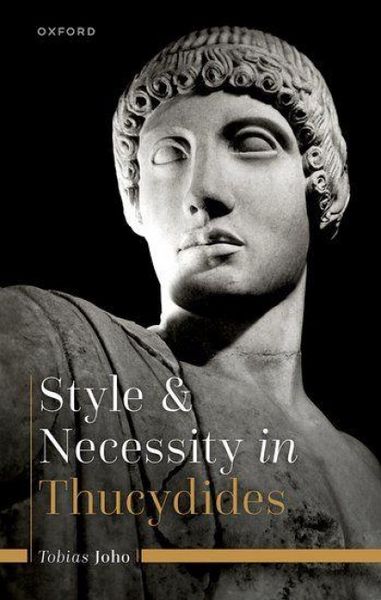
Produktbild: Style and Necessity in Thucydides

Style and Necessity in Thucydides

159,99 €

inkl. gesetzl. MwSt., Versandkostenfrei


Beschreibung

Ancient literary critics were struck by what they described as Thucydides' "nominal style," a term that refers to Thucydides' fondness for abstract nominal phrases. As this book shows, Thucydides frequently uses these phrases instead of approximately synonymous verbal and personal constructions. These...

Beschreibung

Ancient literary critics were struck by what they described as Thucydides' "nominal style," a term that refers to Thucydides' fondness for abstract nominal phrases. As this book shows, Thucydides frequently uses these phrases instead of approximately synonymous verbal and personal constructions. These stylistic choices tend to deemphasize human agency: people find themselves in a passive role, exposed to incidents happening to them rather than being actively in charge of events. Thus, the analysis of the abstract style raises the question of necessity in Thucydides. On numerous occasions, Thucydides and his speakers use impersonal and passive language to stress the subjection of human beings to transpersonal forces that manifest themselves in collective passions and an inherent dynamic of events. These factors are constitutive of the human condition and become a substitute for the notion of divine fatalism prevalent in earlier Greek thought. Yet Thucydidean necessity is not absolute. It stands in the tradition of a type of fatalism that one finds in Homer and Herodotus. In these authors, the gods or fate tend to settle the outcome of the most significant events, but they leave leeway for the specific way in which these pivotal events come to pass. Thus, the Greeks endorsed a malleable variant of necessity, so that considerable scope for human choice persists within the framework fixed by necessity. Pericles turns out to be Thucydides' prime example of an individual who uses the leeway left by necessity for prudent interventions into the course of events.

Produktdetails

Einband

Gebundene Ausgabe

Erscheinungsdatum

17.02.2023

Verlag Oxford Academic
Seitenzahl

368

Produktdetails

Einband

Gebundene Ausgabe

Erscheinungsdatum

17.02.2023

Verlag Oxford Academic
Seitenzahl

368

Maße (L/B/H)

20,6/14,2/4,1 cm

Gewicht

567 g

Sprache

Englisch

ISBN

978-0-19-881204-3

Herstelleradresse

Libri GmbH
Europaallee 1
36244 Bad Hersfeld
DE

Email: gpsr@libri.de

Noch keine Bewertungen vorhanden

Verfassen Sie die erste Bewertung zu diesem Artikel

Helfen Sie anderen Kundinnen und Kunden durch Ihre Meinung.

Kundinnen und Kunden meinen

Bewertungen (0)

Die Leseprobe wird geladen.
  • Produktbild: Style and Necessity in Thucydides
    • Acknowledgements
    • Introduction
    • 1: Thucydides' Abstract Nominal Style: The Main Features and Differences from the Plain Style
    • 2: The Implications of Thucydides' Abstract Style: The Pathology
    • 3: The Passivity of the Powerful
    • 4: A World Governed by Neuters: "The Human" as a Substitute for "the Divine"
    • 5: Decision-Making Overshadowed by Necessity
    • 6: Dual Motivation: The Interaction of Necessity and Individual Choice
    • 7: Necessity and Leeway for Choice: Homer, Herodotus, Thucydides
    • 8: Pericles' Containment of Necessity and the Possibility of Freedom
    • Conclusion
    • Bibliography