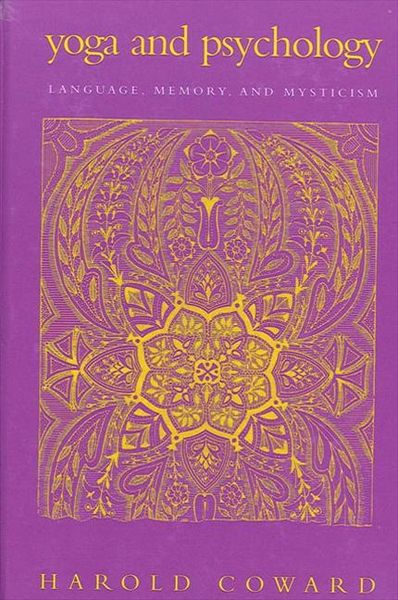
Yoga and Psychology Language, Memory, and Mysticism
-
- Hardcover
- Taschenbuch
- eBook ausgewählt
-
Form:Einzelkauf Download
-
Sprache:Englisch
29,49 €
inkl. gesetzl. MwSt.Beschreibung
Produktdetails
Format
Kopierschutz
Nein
Family Sharing
Nein
Text-to-Speech
Nein
Erscheinungsdatum
01.02.2012
Verlag
State University Of New York PressSeitenzahl
125 (Printausgabe)
Sprache
Englisch
EAN
9780791487914
Explores the influence of yoga in the seminal Indian philosophy of Bhartrhari and in the Western psychology of Freud, Jung, and the transpersonalists, providing unique insights into the differences between Eastern and Western concepts of human nature.
Harold Coward explores how the psychological aspects of Yoga philosophy have been important to intellectual developments both East and West. Foundational for Hindu, Jaina, and Buddhist thought and spiritual practice, Patañjali's Yoga Sutras, the classical statement of Eastern Yoga, are unique in their emphasis on the nature and importance of psychological processes. Yoga's influence is explored in the work of both the seminal Indian thinker Bhartrhari (c. 600 C.E.) and among key figures in Western psychology: founders Freud and Jung, as well as contemporary transpersonalists such as Washburn, Tart, and Ornstein..
Coward shows how the yogic notion of psychological processes makes Bhartrhari's philosophy of language and his theology of revelation possible. He goes on to explore how Western psychology has been influenced by incorporating or rejecting Patañjali's Yoga. The implications of these trends in Western thought for mysticism and memory are examined as well. This analysis results in a notable insight, namely, that there is a crucial difference between Eastern and Western thought with regard to how limited or perfectible human nature is-the West maintaining that we as humans are psychologically, philosophically, and spiritually limited or flawed in nature and thus not perfectible, while Patañjali's Yoga and Eastern thought generally maintain the opposite. Different Western responses to the Eastern position are noted, from complete rejection by Freud, Jung, and Hick, to varying degrees of acceptance by transpersonal thinkers.
Noch keine Bewertungen vorhanden
Verfassen Sie die erste Bewertung zu diesem Artikel
Helfen Sie anderen Kundinnen und Kunden durch Ihre Meinung.
Kurze Frage zu unserer Seite
Vielen Dank für dein Feedback
Wir nutzen dein Feedback, um unsere Produktseiten zu verbessern. Bitte habe Verständnis, dass wir dir keine Rückmeldung geben können. Falls du Kontakt mit uns aufnehmen möchtest, kannst du dich aber gerne an unseren Kund*innenservice wenden.
zum Kundenservice