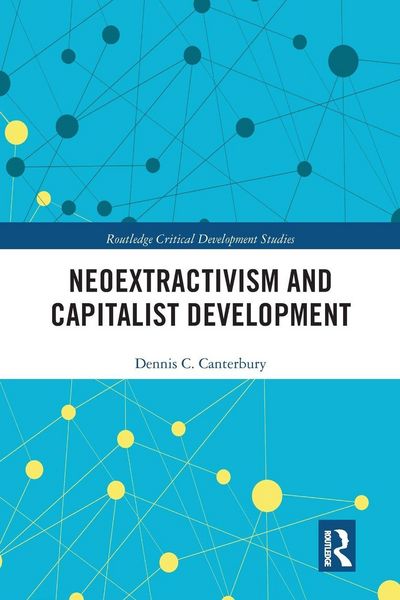
Neoextractivism and Capitalist Development
-
- Hardcover
- Taschenbuch ausgewählt
- eBook
-
Sprache:Englisch
76,99 €
inkl. gesetzl. MwSt.,
Lieferung nach Hause
Beschreibung
Produktdetails
Einband
Taschenbuch
Erscheinungsdatum
30.09.2020
Verlag
Taylor and FrancisSeitenzahl
256
Maße (L/B/H)
23,4/15,6/1,4 cm
Gewicht
470 g
Sprache
Englisch
ISBN
978-0-367-66664-4
The term neoextractivism was coined to describe how income from natural resources sales can be used for development objectives and to improve the lives of a country's citizens. However, this book argues that neoextractivism is merely another outlet for capitalist development, reinforcing the position of elites, with few benefits for working
Kundinnen und Kunden meinen
Verfassen Sie die erste Bewertung zu diesem Artikel
Helfen Sie anderen Kund*innen durch Ihre Meinung
Kurze Frage zu unserer Seite
Vielen Dank für dein Feedback
Wir nutzen dein Feedback, um unsere Produktseiten zu verbessern. Bitte habe Verständnis, dass wir dir keine Rückmeldung geben können. Falls du Kontakt mit uns aufnehmen möchtest, kannst du dich aber gerne an unseren Kund*innenservice wenden.
zum Kundenservice