Beschreibung
Produktdetails
Einband
Taschenbuch
Erscheinungsdatum
10.01.2020
Verlag
Outskirts PressSeitenzahl
234
Maße (L/B/H)
22,9/15,2/1,3 cm
Gewicht
346 g
Sprache
Englisch
ISBN
978-1-977220-09-7
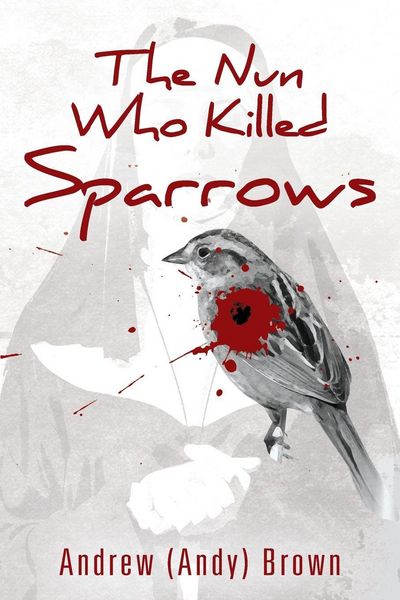
I consider myself one of the luckiest men around. My writing has been shaped by my dual cultural background part Lakota, part child of the prairie grasses, and sweeping sky, but also I've been privileged to be mentored by great thinkers and writers. This doesn't count the writers who mentored me through their writing. The moral questions for The Nun Who Killed Sparrows of my story are gleaned from a Nobel Prize winner Elie Wiesel's seminar, teaching me that eternal truths are not arrived through logic so much as through the stories we construct out of life experiences. This story comes from an examination of events from my childhood, which put me on my present track, determined to teach, write, and find God's hand in the world around me. In Lakota literature there is a familiar saying, "Brave up Brother it is a good day to die," but that's misleading because death is not the ending it is for westerners. Stories go on, souls become, the dappling of light on running water, fireflies in the grass, the brush of butterfly wings, the call of an owl, the swirling of a dust devil, the wind-songs of aspen and pine. So I want to thank all my students who've inspired me, and all those who've kept on loving words, and stories, and words.
Noch keine Bewertungen vorhanden
Verfassen Sie die erste Bewertung zu diesem Artikel
Helfen Sie anderen Kundinnen und Kunden durch Ihre Meinung.
Kurze Frage zu unserer Seite
Vielen Dank für dein Feedback
Wir nutzen dein Feedback, um unsere Produktseiten zu verbessern. Bitte habe Verständnis, dass wir dir keine Rückmeldung geben können. Falls du Kontakt mit uns aufnehmen möchtest, kannst du dich aber gerne an unseren Kund*innenservice wenden.
zum Kundenservice