Beschreibung
Produktdetails
Einband
Taschenbuch
Erscheinungsdatum
01.01.2017
Verlag
General PressSeitenzahl
210
Maße (L/B/H)
20,3/13,3/1,3 cm
Gewicht
271 g
Sprache
Englisch
ISBN
978-81-8032-009-5
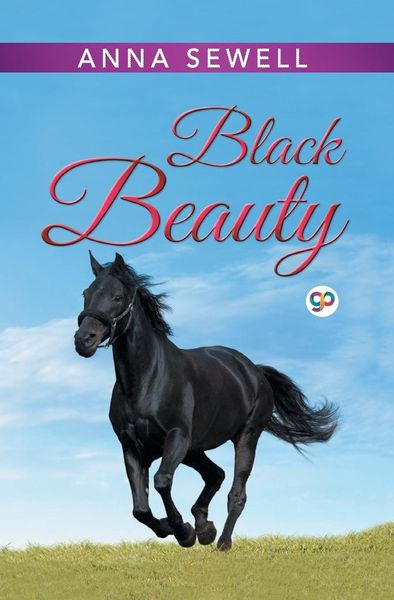
One of the most celebrated and enduringly popular animal stories, 'Black Beauty' was originally written as an appeal for the humane treatment of horses. This suspenseful and deeply moving account of a horse's experiences at the hands of many owners is retold in this classic tale- some, sensitive riders who treated him gently; others, cruel drivers who thoughtlessly inflicted lasting damage. It is a compelling tale of a spirited young Thoroughbred that captured the hearts of readers throughout Victorian England when it was first published in 1877. Anna Sewell's beloved classic reveals as much about human conduct and the social ills of the time as it does about the treatment of animals. Animal lovers of all ages will cherish this memorable story. ABOUT THE AUTHOR: Anna Sewell was a kind and generous woman whose great love for horses and desire to see them better treated resulted in the most celebrated animal story of the nineteenth century. Born into a strict Quaker family who lived at Great Yarmouth in Norfolk, she was brought up to believe in the importance of self-reliance, moral responsibility and 'tender consideration for the Creatures of God'. From an early age she developed a strong love of animals and abhorred any form of cruelty towards them. She seemed to have a natural affinity with horses, and the great knowledge of horsemanship evident in 'Black Beauty' was born from a lifetime's experience. Anna received her education at home from her mother, who as well as instilling in her a sense of duty and religion also filled the house with music, painting and poetry-she was herself an accomplished ballad-writer-and Anna soon proved a capable pianist and artist. When she was fourteen, Anna, who already suffered from a crippling bone disease, had a fall which left her an invalid for the rest of her life. By her mid-thirties she was no longer able to get around by herself and relied on a pony cart to transport her. Characteristically she never used a whip on her own horses, and one of her intentions with Black Beauty was to 'induce kindness, sympathy, and an understanding treatment of horses'. Confined to her room through ill-health, Anna started writing Black Beauty in 1871 but later abandoned the project until 1876. Afraid that she would not live to see the book published she worked laboriously on it despite failing health. Her mother found a publisher for the book and a delighted Anna saw her work in print in November 1877. She died five months later and was buried at the family plot near Old Catton in Norfolk. What Anna did not live to see was the effect her 'little book' has had on the millions of people around the world who have read it. It has been translated into many languages and there have been several attempts at filming it. As Anna hoped, Black Beauty has exercised great influence on the treatment of animals.
Noch keine Bewertungen vorhanden
Verfassen Sie die erste Bewertung zu diesem Artikel
Helfen Sie anderen Kundinnen und Kunden durch Ihre Meinung.
Kurze Frage zu unserer Seite
Vielen Dank für dein Feedback
Wir nutzen dein Feedback, um unsere Produktseiten zu verbessern. Bitte habe Verständnis, dass wir dir keine Rückmeldung geben können. Falls du Kontakt mit uns aufnehmen möchtest, kannst du dich aber gerne an unseren Kund*innenservice wenden.
zum Kundenservice