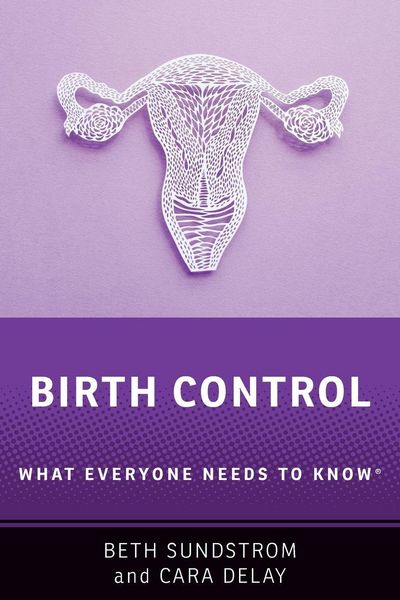
Produktbild: Birth Control
- 42%

Birth Control What Everyone Needs to Know®

42% sparen

11,99 € UVP 21,00 €

inkl. gesetzl. MwSt., Versandkostenfrei

Lieferung nach Hause

Beschreibung

Produktdetails

Einband

Taschenbuch

Erscheinungsdatum

01.07.2020

Verlag

Oxford University Press

Seitenzahl

224

Maße (L/B/H)

21/14/1,2 cm

Gewicht

260 g

Sprache

Englisch

ISBN

978-0-19-006966-7

Beschreibung

Rezension

This book accomplishes its goal in providing lay persons with objective information on contraception. The historical, political, and sociological content provides an interesting backdrop for this discussion. Barbara Hoffman, MD(University of Texas Southwestern Medical Center), Doody's Reviews

Produktdetails

Einband

Taschenbuch

Erscheinungsdatum

01.07.2020

Verlag

Oxford University Press

Seitenzahl

224

Maße (L/B/H)

21/14/1,2 cm

Gewicht

260 g

Sprache

Englisch

ISBN

978-0-19-006966-7

EU-Ansprechpartner

Zeitfracht Medien GmbH
Ferdinand-Jühlke-Straße 7|99095|Erfurt|DE
produktsicherheit@zeitfracht.de

Herstelleradresse

Oxford University Press
Great Clarendon Street|OX2 6DP|Oxford|GB
EXPORTtradequeries@oup.com

Kundinnen und Kunden meinen

0 Bewertungen

Informationen zu Bewertungen

Zur Abgabe einer Bewertung ist eine Anmeldung im Konto notwendig. Die Authentizität der Bewertungen wird von uns nicht überprüft. Wir behalten uns vor, Bewertungstexte, die unseren Richtlinien widersprechen, entsprechend zu kürzen oder zu löschen.

Die Bewertungen sind nach Format, Anzahl Sterne und Datum sortiert.

Verfassen Sie die erste Bewertung zu diesem Artikel

Helfen Sie anderen Kund*innen durch Ihre Meinung

Kundinnen und Kunden meinen

0 Bewertungen filtern

Die Leseprobe wird geladen.
  • Produktbild: Birth Control
    • I. Introduction: Birth Control Today

    • a. Birth Control? Family Planning? Contraception?: What is the difference?

    • b. Women's voices: Understanding lived experiences

    • c. Who needs birth control?

    • i. What is unintended pregnancy?

    • ii. How many women who do not use a method of birth control will become pregnant over the course of one year?

    • iii. What is the current rate of unintended pregnancy in the United States?

    • iv. Are there negative health effects of unintended pregnancy for women and infants?

    • v. Are there negative health effects of unintended pregnancy for families and society?

    • vi. How can birth control enhance women's lives?

    • vii. How does birth control enhance family and community well-being?

    • viii. What societal benefits does birth control offer?

    • d. What is reproductive justice?

    • i. How do the intersections of race/ethnicity, class/socioeconomic status, ability, age, gender/sexuality, and immigration status serve as sources of reproductive oppression and perpetuate social inequality?

    • ii. Why is birth control important to reproductive justice?

    • iii. What are the popular perceptions of contraception?

    • e. Birth control in the news

    • a. What is "contraceptive scare"?

    • II. What is birth control?

    • a. How does birth control work?

    • i. What are the different methods of birth control available today?

    • i. What are hormonal methods of birth control?

    • ii. What are non-hormonal methods of birth control?

    • ii. What are the most commonly used methods?

    • iii. How effective are today's methods of birth control in preventing pregnancy?

    • 1. What is perfect use?

    • 2. What is typical use?

    • v. What is emergency contraception (EC) or the morning after pill?

    • 1. What is the difference between EC and abortion?

    • 2. Where can I purchase EC?

    • 3. How old do I have to be to purchase EC?

    • vi. What are the benefits of dual protection?

    • b. A brief history of birth control

    • i. When was birth control invented?

    • ii. What were historical methods of birth control?

    • iii. When were modern methods of birth control invented?

    • iv. How have laws about birth control changed over time?

    • III. How do we know if birth control is safe?

    • a. What are the risks and benefits of birth control?

    • i. What are the risks of hormonal birth control?

    • ii. What are the benefits of hormonal birth control?

    • iii. What are the risks associated with pregnancy and childbirth?

    • iv. Does hormonal contraception offer any health benefits?

    • v. Does hormonal contraception treat or prevent heavy menstrual bleeding, painful periods, PMS, and/or acne?

    • vii. Does hormonal contraception treat or prevent pelvic inflammatory disease, Polycystic Ovarian Syndrome (PCOS), fibroids, and/or endometriosis?

    • viii. Does hormonal contraception prevent colon, ovarian, and/or endometrial cancer?

    • ix. Why do I see alarming stories about the negative health effects of birth control in the popular media?

    • b. Do I need to have a period?

    • i. Is there a medical reason to have a period every month?

    • ii. Why do many types of hormonal birth control attempt to mimic a "natural" 28-day cycle?

    • iii. If I am using hormonal birth control, why do I have "withdrawal bleeding" for one week every month?

    • iv. Should I be reassured that "withdrawal bleeding" means I'm not pregnant?

    • v. Is it healthy to alter my cycle if I am using hormonal birth control?

    • IV. Beyond "the Pill:" Are there other options?

    • a. Why do many people believe that "the Pill" and condoms are the only or best forms of contraception available today?

    • i. Why do women feel that "the Pill" is something that they can control?

    • ii. What is the myth of perfect use?

    • iii. What is the paradox of inertia?

    • b. What birth control methods do the experts recommend?

    • i. What are long-acting reversible contraceptive (LARC) methods?

    • 1. How do the LARC methods work?

    • ii. Why are LARC methods considered the first-line contraceptive recommendation for all women?

    • iii. Are LARC methods effective?

    • iv. Are LARC methods easy to access and use?

    • v. How does the history of the Dalkon Shield impact opinions about the IUD today?

    • vi. What are the side effects of LARC methods?

    • 1. Does the insertion of LARC methods hurt?

    • 2. How do LARC methods impact menstruation?

    • vii. How do LARC methods protect fertility?

    • viii. Are these methods safe for women and adolescents?

    • ix. Are these methods safe for women who have just had a baby?

    • x. What do women think about LARC methods?

    • 1. What is the "ick factor"?

    • c. Why are some health care providers still not recommending LARC methods to their patients?

    • i. What options do health care providers offer women who are seeking birth control?

    • ii. Why do some health care providers resist providing some methods to young women or women who have not yet had a baby?

    • iii. Do I need an annual exam to get a prescription for birth control?

    • 1. Can my pharmacist prescribe hormonal contraception?

    • 2. Can I get a year supply of birth control?

    • d. Are there studies that show women prefer LARC methods when cost is not an issue?

    • i. Are there any communication campaigns that provide information or resources about LARC methods?

    • V. How does policy impact access to birth control?

    • a. What are the barriers to correct, consistent use of birth control?

    • i. Is cost a barrier to consistent use of contraception?

    • ii. Does health insurance cover contraception?

    • iii. Is access a barrier to consistent use of contraception?

    • b. What laws and regulations make it difficult for women to access birth control?

    • c. What laws and regulations make it easier for women to access birth control?

    • i. How does the Affordable Care Act impact access to birth control?

    • d. How do the media frame policy issues around birth control?

    • VI. Conclusions: What is the future of birth control?

    • a. How is telehealth changing access to birth control?

    • i. Can I get birth control online?

    • b. Why do experts want to move oral contraceptives over-the-counter (OCs OTC)?

    • i. Is it safe?

    • ii. Is it healthy?

    • iii. Would it still be covered by health insurance?

    • iv. Are there any campaigns that provide more information about OCs OTC?

    • c. How can I weigh the evidence to make the best birth control choice for me?

    • d. Resources: How can I find more information?