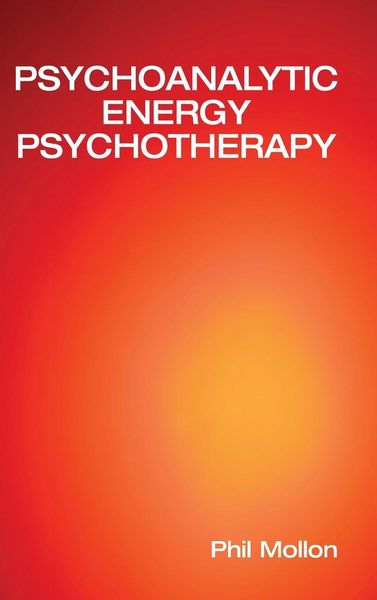
Psychoanalytic Energy Psychotherapy
223,99 €
inkl. gesetzl. MwSt.,
Beschreibung
Produktdetails
Einband
Gebundene Ausgabe
Erscheinungsdatum
14.06.2019
Verlag
Taylor & FrancisSeitenzahl
522
Maße (L/B/H)
23,5/15,7/3,2 cm
Gewicht
899 g
Sprache
Englisch
ISBN
978-0-367-10596-9
The outcome of one psychoanalyst's encounter with the field known generically as 'energy psychology', this title reveals how the conflicts and traumas active within the psyche are encoded as information within the body's energy system. It is inspired primarily by the remarkable work of Dr Roger Callahan in his development of Thought Field Therapy.
Noch keine Bewertungen vorhanden
Verfassen Sie die erste Bewertung zu diesem Artikel
Helfen Sie anderen Kundinnen und Kunden durch Ihre Meinung.
Kurze Frage zu unserer Seite
Vielen Dank für dein Feedback
Wir nutzen dein Feedback, um unsere Produktseiten zu verbessern. Bitte habe Verständnis, dass wir dir keine Rückmeldung geben können. Falls du Kontakt mit uns aufnehmen möchtest, kannst du dich aber gerne an unseren Kund*innenservice wenden.
zum Kundenservice