Beschreibung
Produktdetails
Einband
Taschenbuch
Erscheinungsdatum
12.07.2022
Verlag
ORO EditionsSeitenzahl
168
Maße (L/B/H)
23,8/15,7/1,3 cm
Gewicht
444 g
Sprache
Englisch
ISBN
978-1-943532-55-1
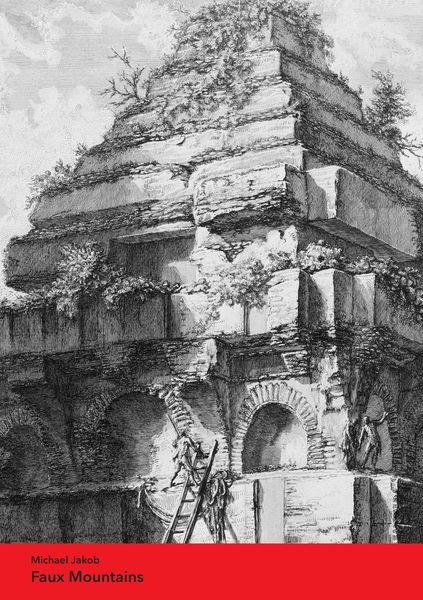
Artificial mountains are a worldwide reality. Burial sites use, very frequently, the intimidating shape of the man-made mountain. Incense burners in ancient China evoked the Five Sacred Mountains. Mount Parnassus in Greece became an important element in European garden history and a symbol of the Renaissance. In the Baroque Rome of the 17th century the most important artists worked on the constructions of huge ephemeral mounds in order to express more or less codified messages. The model of the artificial mountain was used as well during the French Revolution: the famous celebration of the Supreme Being took place on a gigantic faux mountain. The history of landscape architecture is characterized by the construction of architectural mounds, often built by using local excavation material. The industrial revolution acted as another source for the rise of an anthropic topography, creating forms, which we do not recognize anymore as totally artificial. Architects have found in the form of mountains a model and a gestalt with which to play in an ironic way. In twentieth-century art, mountains are ubiquitous, culminating in Robert Smithson's masterful exploration of reversed, displaced, and rebuilt mountains. Michael Jakob's comparative study is the first one to address this fascinating phenomenon.
Artificial mountains are a worldwide reality. Their presence influenced the history of urbanism, architecture, and landscape architecture. Michael Jakob's study is the first one to address this fascinating worldwide phenomenon stretching from Antiquity to our days.
Noch keine Bewertungen vorhanden
Verfassen Sie die erste Bewertung zu diesem Artikel
Helfen Sie anderen Kundinnen und Kunden durch Ihre Meinung.
Kurze Frage zu unserer Seite
Vielen Dank für dein Feedback
Wir nutzen dein Feedback, um unsere Produktseiten zu verbessern. Bitte habe Verständnis, dass wir dir keine Rückmeldung geben können. Falls du Kontakt mit uns aufnehmen möchtest, kannst du dich aber gerne an unseren Kund*innenservice wenden.
zum Kundenservice