Gutscheinbedingungen

**Gültig vom 20.07.2026 bis 22.07.2026 | Gültig für nicht preisgebundene fremdsprachige Bücher | Einzelne Artikel können ausgeschlossen sein | Nicht kombinierbar mit anderen Gutscheinen oder Preisaktionen | Nur einmal pro Einkauf einlösbar | Gutschein wird auf max. 500€ Bestellwert angerechnet | Keine Barauszahlung | Nicht gültig für Versandkosten und Services

  • Produktbild: Literature and Medicine
  • Produktbild: Literature and Medicine
- 15%

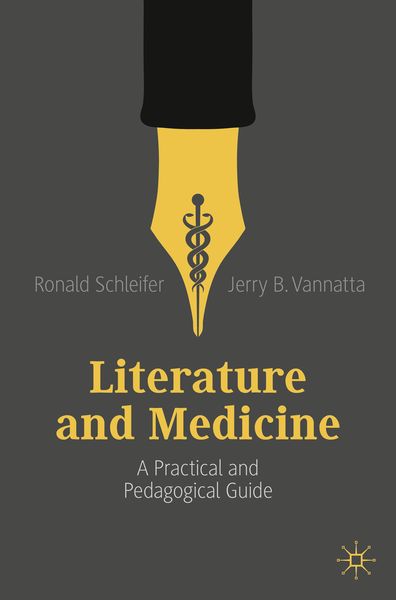
Literature and Medicine A Practical and Pedagogical Guide

15% sparen

58,99 € UVP 69,54 €

inkl. gesetzl. MwSt., Versandkostenfrei

Lieferung nach Hause

Beschreibung

Produktdetails

Einband

Taschenbuch

Erscheinungsdatum

18.10.2019

Verlag

Springer

Seitenzahl

297

Maße (L/B/H)

23,5/15,5/1,9 cm

Gewicht

516 g

Auflage

1st ed. 2019

Sprache

Englisch

ISBN

978-3-030-19127-6

Beschreibung

Produktdetails

Einband

Taschenbuch

Erscheinungsdatum

18.10.2019

Verlag

Springer

Seitenzahl

297

Maße (L/B/H)

23,5/15,5/1,9 cm

Gewicht

516 g

Auflage

1st ed. 2019

Sprache

Englisch

ISBN

978-3-030-19127-6

Herstelleradresse

Springer-Verlag GmbH
Tiergartenstr. 17
69121 Heidelberg
DE

Email: ProductSafety@springernature.com

Noch keine Bewertungen vorhanden

Verfassen Sie die erste Bewertung zu diesem Artikel

Helfen Sie anderen Kundinnen und Kunden durch Ihre Meinung.

Kundinnen und Kunden meinen

Bewertungen (0)

Weitere Artikel findest du in

  • Produktbild: Literature and Medicine
  • Produktbild: Literature and Medicine
  •    Table of Contents

        Acknowledgments

    Preface: Goals of the Book, Audience and Background, How to Use this Book

    Introduction to Literature and Medicine:

                       Part I: Literature Introduction: The Structure and Focus of the Chapters   

                       Part II: Medicine Introduction: The Complexity of Clinical Medicine


    Part One: Texts and Topics for Students


    I.          Narrative and Medicine

    Chapter One: Narrative and Cognitive Science; Literature and Medicine. 

    Ø  Vignette-discussion of an excerpt from My Own Country by Dr. Abraham

         Verghese;

    Ø  Grace Paley, “A Conversation with My Father”


    II.          The Logic of Making a Diagnosis

    Chapter Two: The Narrative Structure of Diagnosis. 

    Ø  Vignette, “The Woman with Hyponatremia” (excerpt from The

                Chief Concern);

    Ø  Dr. Arthur Conan Doyle, “The Resident Patient”;

    Ø  Associated poem, William Shakespeare, “Sonnet 73: That Time of Year”


    III.             Professionalism

    Chapter Three: Literature and Professionalism in Medicine. 

    Ø  Vignette-discussion of an excerpt from “Playing God” by Dr. Michael

                LaCombe;

    Ø  Dr. Richard Selzer, “Imelda”;

    Ø  Associated poem, Dr, Audrey Shafer, “Monday Morning”


    IV.             Building the Patient-Provider Relationship

    Chapter Four: Rapport and Empathy in Medicine. 

    Ø  Vignette, “An Elderly African-American Patient” (excerpt from The Chief

                            Concern);

    Ø  Dr. Anton Chekhov, “A Doctor’s Visit”;

    Ø  Associated poem, Dr. John Stone, “He Makes a House Call”


    Chapter Five: Listening to Patients. 

    Ø  Vignette, “Young Mother with Abdominal Pain” (excerpt from The Chief Concern);

    Ø  James Joyce, “Araby”;

    Ø  Associated poem, Dr. William Carlos Williams, “The Red Wheelbarrow”


    Chapter Six: The Patient.  

    Ø  Vignette, excerpt from The Cancer Journals by Audre Lorde;

    Ø  Charlotte Perkins Gilman, “The Yellow Wallpaper”;

    Ø  Associated poem, Dr. Raphael Campo, “The Couple”


    Chapter Seven: The Doctor.   

    Ø  Vignette, excerpt from Black Man in a White Coat by Dr. Damon Tweedy;

    Ø  Vignette-discussion of an excerpt from “Diagnosis” by Dr. Michael LaCombe;

    Ø  Paul Laurence Dunbar, “The Lynching of Jube Benson”;

    Ø  Associated poem, Traditional Spiritual, “Sometimes I Feel like a Motherless Child”


    V.          Everyday Ethics of Medical Practices

    Chapter Eight: Everyday Ethics of Medical Practices. 

    Ø  Vignette, “The Patient with Diabetic Ketoacidosis” (excerpt from

                The Chief Concern);

    Ø  Anton Chekhov, “Enemies”;

    Ø  Associated poem, William Blake, “A Poison Tree”   


    VI.       Vicarious Experiences

    Chapter Nine: Culture.

    Ø  Vignette, “The Patient’s Chief Concern” (excerpt from The Chief Concern);

    Ø  Demetria Martinez, “The Annunciation: Lupe”;

    Ø  Associated poem, Alicia Gaspar de Alba, “Making Tortillas”


             Chapter Ten: Sexual and Domestic Abuse. 

    Ø  Vignette, “You Don’t Deserve This” by Dr. Jerry Vannatta;

    Ø  Edgar Allan Poe, “Berenice”;

    Ø  Associated poem, W. B. Yeats, “Leda and the Swan”


             Chapter Eleven: Pain. 

    Ø  Vignette, excerpt from Inside Chronic Pain: An Intimate and Critical Account by

                Lous Heshusius;

    Ø  Herman Melville, “The Operation” from White Jacket;

    Ø  Associated poem, Emily Dickinson, “Pain has an Element of Blank”


             Chapter Twelve: Ageing. 

    Ø  Vignette, “Treating a Very Old Woman” by Dr.  Jerry Vannatta;

    Ø  Nathaniel Hawthorne, a chapter from House of Seven Gables;

    Ø  Associated poem, Thomas Hardy, “I Look into my Glass”


    VII.    Mistakes in Medicine

    Chapter Thirteen: Mistakes in Medicine. 

    Ø  Vignette, “Mistake” by Dr. Jerry Vannatta;

    Ø  Gustav Flaubert, a chapter from Madame Bovary;

    Ø  Associated poem, Dr, Dannie Abse, “In the Theatre”


    VIII.           Death and Dying

    Chapter Fourteen: Death and Dying.   

    Ø  Vignette, “The Good Death” by Dr. Jerry Vannatta;

    Ø  Vignette, “Frenzy Facing Death” by Dr. Jerry Vannatta;

    Ø  Leo Tolstoy, The Death of Ivan Ilych;

    Ø  Associated poem, John Donne, “Death Be Not Proud”


    IX.    Postscript: The Fulfillments of Healthcare

           Chapter Fifteen: Afterword

    Ø  Associated poem, Derek Mahon, “Everything is Going to be All Right”


    Part Two: Appendices


    Appendix 1: Experimental Results: The Cognitive Science of Literary Reading

    Appendix 2: Discussion Questions for the Chapters             

    Appendix 3: Questions for Daily Writing

    Appendix 4: Guide for Discussing Diagnosis and Diagnosis Errors (Chapter 2)

    Appendix 5: Casey Hester, MD., Jerry Vannatta, MD, and Ronald Schleifer, PhD, “Medical Professionalism: Using Literary Narrative to Explore and Evaluate Medical Professionalism,” an essay which includes “the Elements of Genres of Narrative” (Chapter 3)

    Appendix 6: Ronald Schleifer and Jerry Vannatta, “Teaching Hemingway to Medical Students” (Chapter 5)