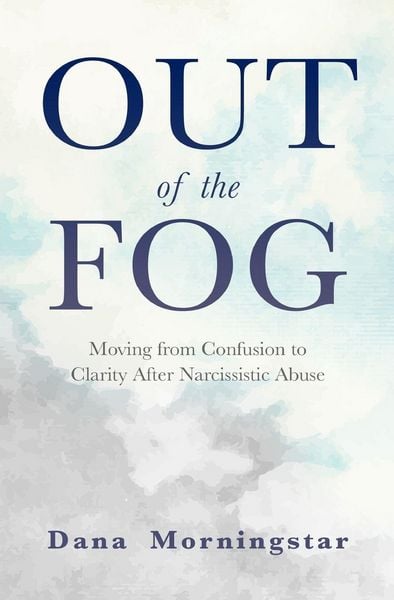
Out of the Fog Moving from Confusion to Clarity After Narcissistic Abuse
-
- Hardcover
- Taschenbuch ausgewählt
- eBook
-
Sprache:Englisch
23,99 €
inkl. gesetzl. MwSt.,
Lieferung nach Hause
Beschreibung
Produktdetails
Einband
Taschenbuch
Erscheinungsdatum
21.11.2017
Verlag
Morningstar MediaSeitenzahl
370
Maße (L/B/H)
20,3/13,3/2,2 cm
Gewicht
466 g
Sprache
Englisch
ISBN
978-0-9995935-2-3
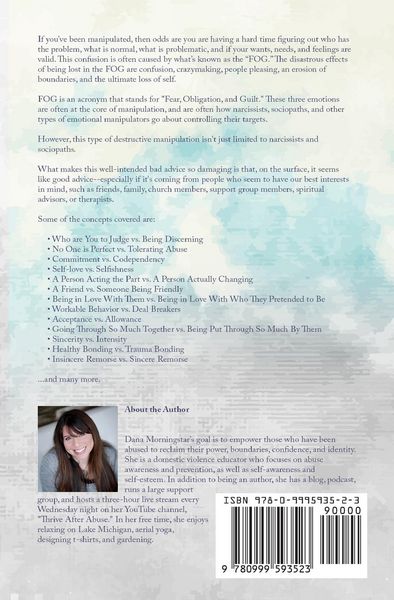
Lying. Cheating. Manipulating. Will they ever change? What will it take to get through to them? They apologized, but will this time be different...or will they just get better at hiding what they are up to? This book will help you get out of the fog of confusion and into the clarity you are looking for. FOG is an acronym that stands for "Fear, Obligation, and Guilt." These three emotions are often at the core of manipulation, and are often how narcissists, sociopaths, and other types of emotional manipulators go about controlling their targets. However, this type of destructive manipulation isn't just limited to narcissists and sociopaths. There is no shortage of people with well-intended bad advice out there who unintentionally fall into the FOG as well, and push targets of abuse into keeping the relationship going. The FOG is one of the main reasons that people stay "stuck" in abusive relationships for so long, why they continue to get involved with abusive people, why they feel that they are the problem, and why they tend to feel that the abuse is somehow their fault. When a person is being manipulated they have a hard time figuring out who has the problem, what is normal, what is problematic, and if their wants, needs, and feelings are valid. The disasterous effects of being lost in the FOG are confusion, crazymaking, people pleasing, and an erosion of boundaries. What makes this well-intended bad advice so damaging is that, on the surface, it seems like good advice--especially if it's coming from people who seem to have our best interests in mind, such as friends, family, church members, support group members, or a therapist. Some examples of this well-intended bad advice that comes from other people is: "Who are you to judge?" "No one is perfect." "You need to forgive them." "She's your mother, you need to have a relationship with her...she's not getting any younger you know." "Commitment is forever." What can be so crazymaking for targets is that they are often getting two very different messages. On one hand, they are told that they need to work towards a solution, and on the other, they are told that need to leave a partner who lies, cheats, steals, hits, yells, or belittles them. This book compares and contrasts of these concepts so that targets of any type of manipulation and abuse can make a more empowered decision. Some of the concepts covered are: Who are You to Judge vs. Being Discerning No One is Perfect vs. Tolerating Abuse You Need to Forgive Them vs. Keeping Yourself Safe A Parent vs. A Predator Commitment vs. Codependency Self-love vs. Selfishness A Person Acting the Part vs. A Person Actually Changing Gut Instincts vs. Hypervigilance A Friend vs. Someone Being Friendly Caring vs. Caretaking Being in Love With Them vs. Being in Love With Who They Pretended to Be Workable Behavior vs. Deal Breakers Acceptance vs. Allowance Going Through So Much Together vs. Being Put Through So Much By Them Sincerity vs. Intensity Healthy Bonding vs. Trauma Bonding Insincere Remorse vs. Sincere Remorse Reacting vs. Responding ...and many more.
Kundinnen und Kunden meinen
Verfassen Sie die erste Bewertung zu diesem Artikel
Helfen Sie anderen Kund*innen durch Ihre Meinung
Kurze Frage zu unserer Seite
Vielen Dank für dein Feedback
Wir nutzen dein Feedback, um unsere Produktseiten zu verbessern. Bitte habe Verständnis, dass wir dir keine Rückmeldung geben können. Falls du Kontakt mit uns aufnehmen möchtest, kannst du dich aber gerne an unseren Kund*innenservice wenden.
zum Kundenservice