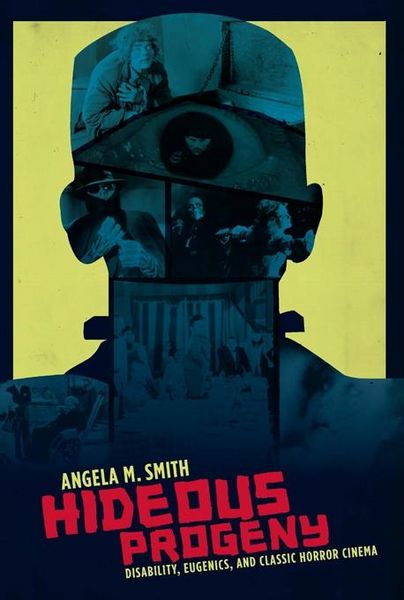
Hideous Progeny Disability, Eugenics, and Classic Horror Cinema
-
- Einzelkauf Download ausgewählt
-
Sprache:Englisch
34,49 €
inkl. gesetzl. MwSt.Beschreibung
Produktdetails
Format
ePUB
Kopierschutz
Ja
Family Sharing
Nein
Text-to-Speech
Ja
Erscheinungsdatum
24.01.2012
Verlag
Columbia University PressSeitenzahl
(Printausgabe)
Dateigröße
20436 KB
Sprache
Englisch
EAN
9780231527859
Twisted bodies, deformed faces, aberrant behavior, and abnormal desires characterized the hideous creatures of classic Hollywood horror, which thrilled audiences with their sheer grotesqueness. Most critics have interpreted these traits as symptoms of sexual repression or as metaphors for other kinds of marginalized identities, yet Angela M. Smith conducts a richer investigation into the period's social and cultural preoccupations. She finds instead a fascination with eugenics and physical and cognitive debility in the narrative and spectacle of classic 1930s horror, heightened by the viewer's desire for visions of vulnerability and transformation.
Reading such films as Dracula (1931), Frankenstein (1931), Dr. Jekyll and Mr. Hyde (1931), Freaks (1932), and Mad Love (1935) against early-twentieth-century disability discourse and propaganda on racial and biological purity, Smith showcases classic horror's dependence on the narratives of eugenics and physiognomics. She also notes the genre's conflicted and often contradictory visualizations. Smith ultimately locates an indictment of biological determinism in filmmakers' visceral treatments, which take the impossibility of racial improvement and bodily perfection to sensationalistic heights. Playing up the artifice and conventions of disabled monsters, filmmakers exploited the fears and yearnings of their audience, accentuating both the perversity of the medical and scientific gaze and the debilitating experience of watching horror. Classic horror films therefore encourage empathy with the disabled monster, offering captive viewers an unsettling encounter with their own impairment. Smith's work profoundly advances cinema and disability studies, in addition to general histories concerning the construction of social and political attitudes toward the Other.
Noch keine Bewertungen vorhanden
Verfassen Sie die erste Bewertung zu diesem Artikel
Helfen Sie anderen Kundinnen und Kunden durch Ihre Meinung.
Kurze Frage zu unserer Seite
Vielen Dank für dein Feedback
Wir nutzen dein Feedback, um unsere Produktseiten zu verbessern. Bitte habe Verständnis, dass wir dir keine Rückmeldung geben können. Falls du Kontakt mit uns aufnehmen möchtest, kannst du dich aber gerne an unseren Kund*innenservice wenden.
zum Kundenservice