Psychosocial Capacity Building in Response to Disasters
-
- Einzelkauf Download ausgewählt
-
Sprache:Englisch
34,49 €
inkl. gesetzl. MwSt.Beschreibung
Produktdetails
Format
ePUB
Kopierschutz
Nein
Family Sharing
Nein
Text-to-Speech
Ja
Erscheinungsdatum
28.02.2012
Verlag
Columbia University PressSeitenzahl
384 (Printausgabe)
Sprache
Englisch
EAN
9780231519762
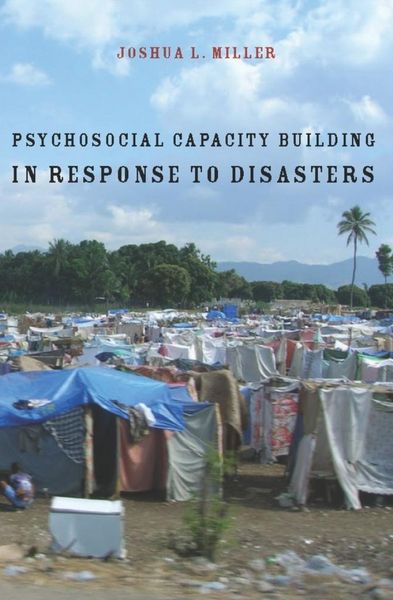
Disaster responders treat more than just the immediate emotional and psychological trauma of victims: they empower individuals and families to heal themselves long into a disaster's aftermath. This requires helping survivors to rebuild their ability to meet their emotional and psychological needs, not only for themselves but also for others, which necessitates a careful consideration of survivors' social, economic, and political realities as their communities heal and recover.
This comprehensive book integrates Western mental health approaches and international models of psychosocial capacity building within a social ecology framework, providing practitioners and volunteers with a blueprint for individual, family, group, and community interventions. Joshua L. Miller focuses on a range of disasters at local, regional, national, and international levels. Global case studies explore the social, psychological, economic, political, and cultural issues affecting various reactions to disaster and illustrate the importance of drawing on local cultural practices to promote empowerment and resiliency. Miller encourages developing people's capacity to direct their own recovery, using a social ecology framework to conceptualize disasters and their consequences. He also considers sources of vulnerability and how to support individual, family, and community resiliency; adapt and implement traditional disaster mental health interventions in different contexts; use groups and activities to facilitate recovery as part of a larger strategy of psychosocial capacity building; and foster collective grieving and memorializing. Miller's text examines the unique dynamics of intergroup conflict and the relationship between psychosocial healing, social justice, and peace and reconciliation. Each chapter ends with a mindfulness exercise, and a section reviews practitioner self-care.
Noch keine Bewertungen vorhanden
Verfassen Sie die erste Bewertung zu diesem Artikel
Helfen Sie anderen Kundinnen und Kunden durch Ihre Meinung.
Kurze Frage zu unserer Seite
Vielen Dank für dein Feedback
Wir nutzen dein Feedback, um unsere Produktseiten zu verbessern. Bitte habe Verständnis, dass wir dir keine Rückmeldung geben können. Falls du Kontakt mit uns aufnehmen möchtest, kannst du dich aber gerne an unseren Kund*innenservice wenden.
zum Kundenservice