Beschreibung
Produktdetails
Einband
Gebundene Ausgabe
Erscheinungsdatum
31.01.2017
Abbildungen
7 bw illus
Verlag
Bloomsbury AcademicSeitenzahl
402
Maße (L/B/H)
23,5/15,7/2,6 cm
Gewicht
731 g
Sprache
Englisch
ISBN
978-1-4408-4311-2
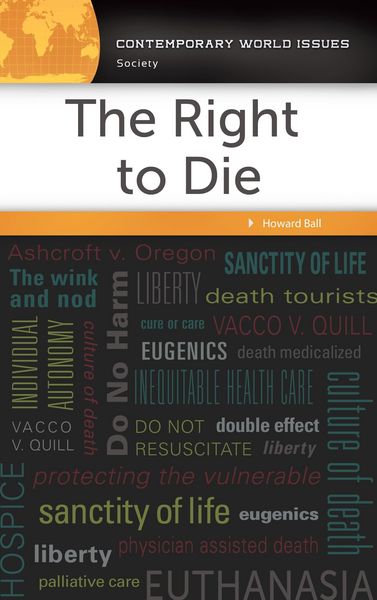
This book provides a comprehensive and contemporary examination of the right-to-die issues facing society now that vast improvements in public health care and medicine have resulted in people not only living longer but taking much longer to die-often in great pain and suffering. In 1900, the average age at which people died in America was 47 years of age; the primary causes of death were tuberculosis and other respiratory illnesses. In the 21st century, as a result of better health care and working conditions as well as advances in medical technology, we live much longer-as of 2016, about 80 years. A much larger proportion of Americans now die from chronic diseases that generally appear at an advanced age, such as heart disease, cancer, or chronic obstructive pulmonary disease (COPD). Should this fundamental change in human lifespan alter how society and government view right-to-die legislation? What are the pros and cons of giving a mentally competent person who is terminally ill and in great pain the right to end his or her life? The Right to Die: A Reference Handbook provides a complete examination of right-to-die issues in the United States that dissects the complex arguments for and against a person's liberty to receive a physician's assistance to hasten death. It covers the legal aspects and the politics of the right-to-die controversy, analyzes the battles over the right to die in state and federal courts, and supplies primary source documents that illustrate the political, medical, legal, religious, and ethical landscape of the right to die. Additionally, the book examines how members of our society typically die has changed in the past 150 years and how the practice of medicine has evolved over that time; explains why the right to die is strongly opposed by many religious groups as well as members of the medical profession; considers the "slippery slope" argument against doctor-assisted suicide; and identifies the reasons that the disabled, the poor, the elderly and infirm, and some members of ethnic, racial, and religious minority groups typically fear physician-assisted death.
Noch keine Bewertungen vorhanden
Verfassen Sie die erste Bewertung zu diesem Artikel
Helfen Sie anderen Kundinnen und Kunden durch Ihre Meinung.
Kurze Frage zu unserer Seite
Vielen Dank für dein Feedback
Wir nutzen dein Feedback, um unsere Produktseiten zu verbessern. Bitte habe Verständnis, dass wir dir keine Rückmeldung geben können. Falls du Kontakt mit uns aufnehmen möchtest, kannst du dich aber gerne an unseren Kund*innenservice wenden.
zum Kundenservice