Gutscheinbedingungen

**Gültig vom 31.08. bis 02.09.2026 | Gültig für nicht preisgebundene Kalender und Schreibwaren | Einzelne Artikel können ausgeschlossen sein | Online auf www.bücher.de einlösbar | Click & Collect nur mit Online-Zahlung (Paypal/Kreditkarte) vorab | Nicht kombinierbar mit anderen Gutscheinen oder Preisaktionen | Nur einmal pro Einkauf einlösbar | Gutschein wird auf max. 500€ Bestellwert angerechnet | Keine Barauszahlung | Nicht gültig für Versandkosten und Services

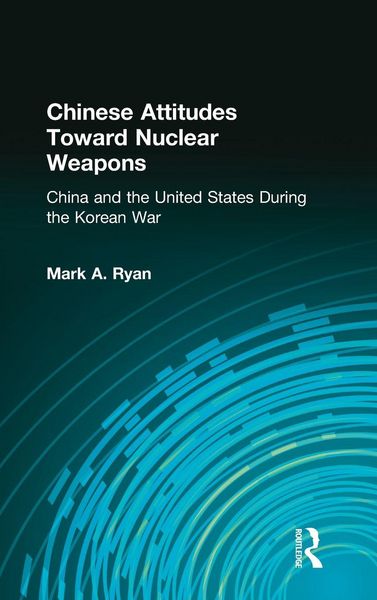
Produktbild: Chinese Attitudes Toward Nuclear Weapons: China and the United States During the Korean War

Chinese Attitudes Toward Nuclear Weapons: China and the United States During the Korean War China and the United States During the Korean War

225,99 €

inkl. gesetzl. MwSt., Versandkostenfrei


Produktdetails

Einband

Gebundene Ausgabe

Erscheinungsdatum

31.01.1990

Verlag

Taylor and Francis

Seitenzahl

340

Maße (L/B/H)

22,9/15,2/2,1 cm

Gewicht

621 g

Sprache

Englisch

ISBN

978-0-87332-530-1

Produktdetails

Einband

Gebundene Ausgabe

Erscheinungsdatum

31.01.1990

Verlag

Taylor and Francis

Seitenzahl

340

Maße (L/B/H)

22,9/15,2/2,1 cm

Gewicht

621 g

Sprache

Englisch

ISBN

978-0-87332-530-1

Herstelleradresse

Libri GmbH
Europaallee 1
36244 Bad Hersfeld
DE

Email: gpsr@libri.de

Noch keine Bewertungen vorhanden

Verfassen Sie die erste Bewertung zu diesem Artikel

Helfen Sie anderen Kundinnen und Kunden durch Ihre Meinung.

Kundinnen und Kunden meinen

Bewertungen (0)

Weitere Artikel findest du in

  • Produktbild: Chinese Attitudes Toward Nuclear Weapons: China and the United States During the Korean War
  • In language that is understandable to non-economists, this work introduces readers to the interrelationship of politics and economics in America - how economics influences public policy and how public policy can impact the economy. Readers learn how the U.S. economy works (domestically and in its global connectedness), how to measure economic performance, how government intervenes in the market to influence economic performance and redistribute resources, and how policymakers act to protect the public interest in an economic system based on private interests. The author provides historical background for contemporary problems. He explains basic economic and policymaking concepts in an issue-relevant context, with concrete examples inspired by ongoing policy debates in Washington regarding production and employment, commodity prices, Social Security and Medicare, budget deficits, national debt, trade deficits, and more.