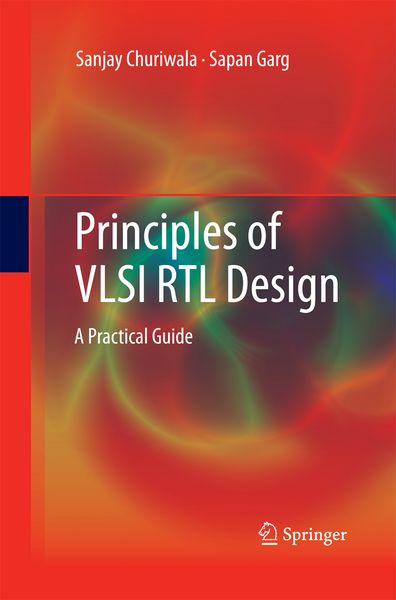
Principles of VLSI RTL Design A Practical Guide
-
- Hardcover
- Taschenbuch ausgewählt
- eBook
-
Sprache:Englisch
84,99 €
inkl. gesetzl. MwSt.,
Beschreibung
Since register transfer level (RTL) design is less about being a bright engineer, and more about knowing the downstream implications of your work, this book explains the impact of design decisions taken that may give rise later in the product lifecycle to issues related to testability, data synchronization...
Produktdetails
| Einband |
Taschenbuch |
|---|---|
| Erscheinungsdatum |
01.10.2014 |
| Abbildungen |
XV, 182 p. |
| Verlag | Springer Us |
Noch keine Bewertungen vorhanden
Verfassen Sie die erste Bewertung zu diesem Artikel
Helfen Sie anderen Kundinnen und Kunden durch Ihre Meinung.
Kurze Frage zu unserer Seite
Vielen Dank für dein Feedback
Wir nutzen dein Feedback, um unsere Produktseiten zu verbessern. Bitte habe Verständnis, dass wir dir keine Rückmeldung geben können. Falls du Kontakt mit uns aufnehmen möchtest, kannst du dich aber gerne an unseren Kund*innenservice wenden.
zum Kundenservice