KI-Beratung Beta

  • Produktbild: Dancing in Paradise, Burning in Hell
  • Produktbild: Dancing in Paradise, Burning in Hell

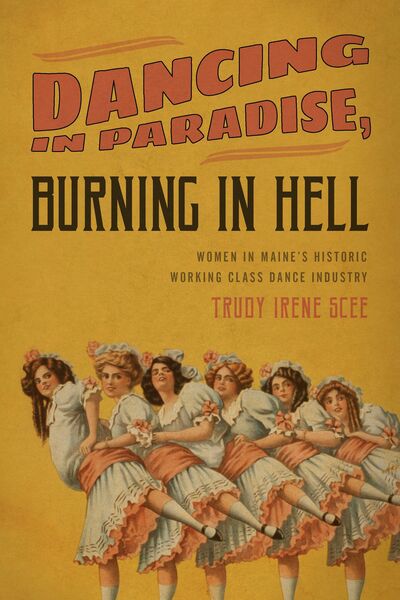
Dancing in Paradise, Burning in Hell Women in Maine's Historic Working Class Dance Industry

16,99 €

inkl. gesetzl. MwSt., Versandkostenfrei


Beschreibung

An often overlooked segment of Maine (and American) history is the story of women in the working class dance industries. Generally looked upon with a gasp of shock, burlesque and vaudeville dancing, and later taxi dancing and marathon dancing, were often the only way for women to survive (In taxi dancing,...

Beschreibung

An often overlooked segment of Maine (and American) history is the story of women in the working class dance industries. Generally looked upon with a gasp of shock, burlesque and vaudeville dancing, and later taxi dancing and marathon dancing, were often the only way for women to survive (In taxi dancing, men paid women by the dance; while marathon dancing was a contest and women tried to outlast each other on the dance floor.) In turn-of-the-20th-century Maine, this new form of dancing was taking off, as it was elsewhere in the country. Historian Trudy Irene Scee explores the dance industries of Maine, how they were effected by national events, and how events in Maine effected national trends. She explores the difficulties women faced at that time and how they turned to new forms of entertainment to make money and pay for food and shelter. The focus of the book centers on the 1910s through the 1970s, but extends back into the 1800s, largely exploring the dance halls of the nineteenth century (be they saloons with hurdy-gurdy girls and the like, or dance halls with women performing the early forms of taxi- and belly dancing), and includes a chapter on belly dancing and other forms of dance entertainment in Maine in the 1980s to early 2000s. The newest form of dance—striptease dancing—is not be examined specifically, but is discussed as it pertains to the other dance forms. The book forms a unique look at one segment of Maine history and is a terrific addition to the literature on women’s issues.

Produktdetails

Einband

Taschenbuch

Erscheinungsdatum

01.05.2016

Verlag Rowman & Littlefield
Seitenzahl

282

Produktdetails

Einband

Taschenbuch

Erscheinungsdatum

01.05.2016

Verlag Rowman & Littlefield
Seitenzahl

282

Maße (L/B/H)

22,9/15,2/1,5 cm

Gewicht

413 g

Sprache

Englisch

ISBN

978-1-60893-509-3

Herstelleradresse

Libri GmbH
Europaallee 1
36244 Bad Hersfeld
DE

Email: gpsr@libri.de

Noch keine Bewertungen vorhanden

Verfassen Sie die erste Bewertung zu diesem Artikel

Helfen Sie anderen Kundinnen und Kunden durch Ihre Meinung.

Kundinnen und Kunden meinen

Bewertungen (0)

Die Leseprobe wird geladen.
  • Produktbild: Dancing in Paradise, Burning in Hell
  • Produktbild: Dancing in Paradise, Burning in Hell
  • Preface

    Introduction––America Meets the New Dancing Women, Recoils in Shock, and Yet Whispers “Come a Little Bit Closer”; The Hurdy Gurdy Girls, Burlesque Women, Little Egypts, and Taxi Dancers of the 1880s-1910s

    Chapter One––The New Dancers Come to Maine; Disruption in the Dance Halls, Gold and Silver Purses for Prizes, and Scandal on the Stage, 1900-1923

    Chapter Two––As Long as You Stay on Your Feet; The Vaudeville Queens, Taxi-Dancers, and the Early Contest and Endurance Dancers Earn Their Dimes and Dollars Dancing Along the Roadways and in the Dance Halls from Old Orchard Beach to Bangor, Maine, 1923-1932

    Chapter Three––Dancing in Paradise, Burning in Hell; The Long-Term Endurance Indoor Dance Marathons of Maine, the Fatal Fire at the Paradise Dance Pavillion, and How What Happened in Maine Changed the Nation, 1930-1935

    Chapter Four––The Search for More; Burlesque Masquerades as Vaudeville in Maine, as The Silver Screen Plays the Hootchie Coohcie in its Carnival and Bare Belly Beauties, 1934-1944

    Chapter Five––The Dance Didn’t Go On, And They Really Weren’t Strippers; The Maine Shipyard Workers’ Riot of 1944, “The Girl Problem in Portland,” and other Social Transitions in Dance and Society, 1944-1954

    Chapter Six––The Fight For the Fifties and Sixties; Ethnic Dancing (largely Greek and Turkish belly Dancing), Vaudeville, Burlesque, and the Lure of Cinema in the 1950s and 1960s

    Chapter Seven––The Great Divergence and the United States Supreme Court; Strippers Come to Maine and Elsewhere, the Lines are Drawn, and the Other Dancers Struggle to Define Just Who They Are, 1960s-1970s

    Chapter Eight––Little Egypt Grows Up, and Emerges as the Queen of The Coast; Ethnic and Belly Dancing in Maine, 1970-2000

    Chapter Nine––The Same Old Moves with New Respectability, at Least in the Eyes of Many: Maine’s Transformed Belly Dancers, Taxi-Dancers, and Burlesque Performers of the Late 1990s and Early 2000s

    Conclusion

    Index