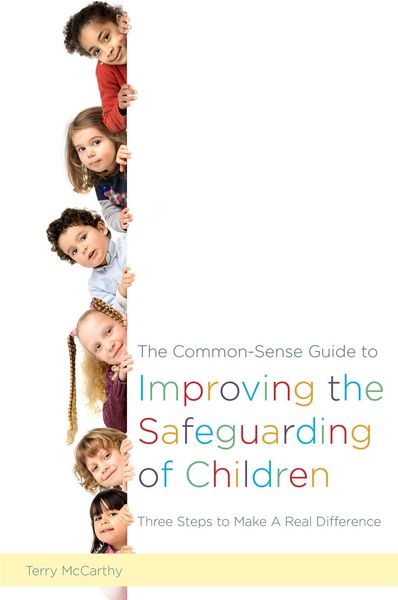
The Common-Sense Guide to Improving the Safeguarding of Children Three Steps to Make a Real Difference
-
- Taschenbuch ausgewählt
- eBook
-
Sprache:Englisch
48,99 €
inkl. gesetzl. MwSt.,
Beschreibung
Produktdetails
Einband
Taschenbuch
Erscheinungsdatum
21.02.2015
Verlag
Jessica Kingsley Publishers LtdSeitenzahl
192
Maße (L/B/H)
22,6/15/1,5 cm
Gewicht
272 g
Sprache
Englisch
ISBN
978-1-84905-621-2
Aiming to provide purpose and direction in a complex field of work, this book offers direct and straightforward guidance on how to improve child protection on the frontline.
Terry McCarthy draws directly from his own extensive practice experience to outline three steps to achieve improved outcomes.
First, he explains how to establish an effective culture which develops learning on relationships and styles of authority. Second, he identifies how to support social workers to create a stable, skilled and confident workforce, equipped to deal with emotional challenges. Third, he outlines strategies to enable families to change, with useful techniques for working alongside families to make sure the needs of the child are being met. This approach aims to help children to live safely and well within their own families.
This practical guide serves as a guiding compass through the dilemmas and conflicts of child protection practice, and will be valued by frontline social work managers and practitioners alike.
Noch keine Bewertungen vorhanden
Verfassen Sie die erste Bewertung zu diesem Artikel
Helfen Sie anderen Kundinnen und Kunden durch Ihre Meinung.
Kurze Frage zu unserer Seite
Vielen Dank für dein Feedback
Wir nutzen dein Feedback, um unsere Produktseiten zu verbessern. Bitte habe Verständnis, dass wir dir keine Rückmeldung geben können. Falls du Kontakt mit uns aufnehmen möchtest, kannst du dich aber gerne an unseren Kund*innenservice wenden.
zum Kundenservice