KI-Beratung Beta

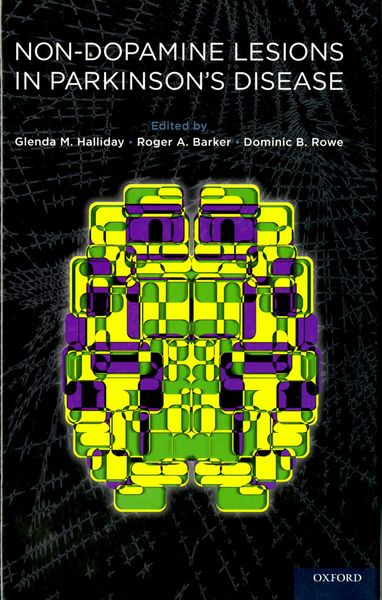
Produktbild: Non-dopamine Lesions in Parkinson's Disease

Non-dopamine Lesions in Parkinson's Disease

113,99 €

inkl. gesetzl. MwSt.

Beschreibung

Parkinson's disease becomes apparent only after substantial loss (>60%) of the dopamine neurons in the substantia nigra. By this time there has already been widespread neural inclusion formation in the peripheral and central nervous system of patients with the disease, although this has only been recognized...

Beschreibung

Parkinson's disease becomes apparent only after substantial loss (>60%) of the dopamine neurons in the substantia nigra. By this time there has already been widespread neural inclusion formation in the peripheral and central nervous system of patients with the disease, although this has only been recognized more recently. Degeneration in these widespread regions of the peripheral and central nervous system is now known to impact on disease symptoms, progression and treatment over time. This book aims to provide a comprehensive review of these non-dopamine lesions in Parkinson's disease by assessing our current knowledge of their presence and pathophysiology, how they relate to different symptoms and, where relevant, discuss how they may be potentially treated. The book addresses most of the known symptoms that occur in patients with Parkinson's disease. In addition to the classic motor triad, motor speech, eye movements, olfactory dysfunction, autonomic dysfunction, pain and sensory abnormalities, sleep disturbances, depression and apathy, dopamine dysregulation syndromes, hallucinations and psychoses, cognitive impairment and dementia, and systemic manifestations are all reviewed. Early selective cell loss in non-dopaminergic regions is highlighted (the glutamate projection neurons of the presupplementary motor cortex and caudal intralaminar thalamus) in addition to the widespread inclusion formation in many regions outside the basal ganglia that characterize the disease. Overall this book provides a comprehensive analysis of the lesions associated with the most common symptoms found in patients with Parkinson's disease.

Produktdetails

Format

ePUB

Kopierschutz

Ja

Family Sharing

Nein

Text-to-Speech

Ja

Produktdetails

Format

ePUB

Format

eBooks im ePUB-Format erlauben eine dynamische Anpassung des Inhalts an die jeweilige Display-Größe des Lesegeräts. Das Format eignet sich daher besonders für das Lesen auf mobilen Geräten, wie z.B. Ihrem tolino, Tablets oder Smartphones.

Kopierschutz

Ja

Kopierschutz

Zum Lesen dieses eBooks auf Geräten der tolino Familie sowie auf sonstigen eReadern und am PC benötigen Sie eine ByteBook-ID. Weitere Hinweise zum Lesen von kopiergeschützten eBooks finden Sie unter Hilfe/Downloads.

Family Sharing

Nein

Family Sharing

Mit Family Sharing können Sie eBooks innerhalb Ihrer Familie (max. sechs Mitglieder im gleichen Haushalt) teilen. Sie entscheiden selbst, welches Buch Sie mit welchem Familienmitglied teilen möchten. Auch das parallele Lesen durch verschiedene Familienmitglieder ist durch Family Sharing möglich. Um eBooks zu teilen oder geteilt zu bekommen, muss jedes Familienmitglied ein Konto bei Thalia oder einem anderen tolino-Buchhändler haben. Weitere Informationen finden Sie unter Hilfe/Family-Sharing.

Text-to-Speech

Ja

Text-to-Speech

Bedeutet Ihnen Stimme mehr als Text? Mit der Funktion Text-to-Speech können Sie sich im tolino webReader und in der aktuellen Thalia – Lesen & Hören App das eBook vorlesen lassen. Weitere Informationen finden Sie unter Hilfe/Text-to-Speech.

Erscheinungsdatum

15.11.2010

Herausgeber
Verlag Oxford University Press
Seitenzahl

(Printausgabe)

Dateigröße

9285 KB

Sprache

Englisch

EAN

9780190208738

Barrierefreiheit
  • keine Information zur Barrierefreiheit bekannt

Noch keine Bewertungen vorhanden

Verfassen Sie die erste Bewertung zu diesem Artikel

Helfen Sie anderen Kundinnen und Kunden durch Ihre Meinung.

Kundinnen und Kunden meinen

Bewertungen (0)

Weitere Artikel findest du in

Die Leseprobe wird geladen.
  • Produktbild: Non-dopamine Lesions in Parkinson's Disease