Gutscheinbedingungen

**Gültig bis 10.06.2026 / Gültig für gebrauchte Bücher / Mindestbestellwert 20,00 € / Einzelne Artikel können ausgeschlossen sein / Online auf www.bücher.de.de / Nicht kombinierbar mit anderen Gutscheinen oder Preisaktionen / Nur einmal pro Einkauf einlösbar / Gutschein wird auf max. 500€ Bestellwert angerechnet / Keine Barauszahlung / Nicht gültig für Versandkosten und Services

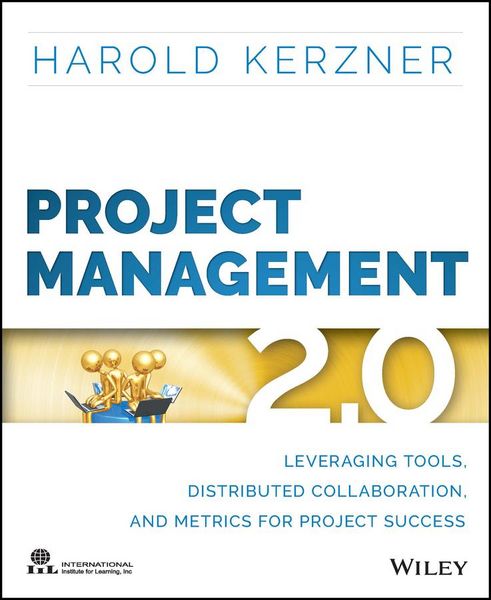
Produktbild: Project Management 2.0

Project Management 2.0 Leveraging Tools, Distributed Collaboration, and Metrics for Project Success

92,99 €

inkl. gesetzl. MwSt., Versandkostenfrei

Lieferung nach Hause

Beschreibung

Produktdetails

Einband

Taschenbuch

Erscheinungsdatum

27.01.2015

Verlag

John Wiley & Sons Inc

Seitenzahl

336

Maße (L/B/H)

23,5/19,2/2,4 cm

Gewicht

779 g

Auflage

1. Auflage

Sprache

Englisch

ISBN

978-1-118-99125-1

Beschreibung

Produktdetails

Einband

Taschenbuch

Erscheinungsdatum

27.01.2015

Verlag

John Wiley & Sons Inc

Seitenzahl

336

Maße (L/B/H)

23,5/19,2/2,4 cm

Gewicht

779 g

Auflage

1. Auflage

Sprache

Englisch

ISBN

978-1-118-99125-1

Herstelleradresse

Libri GmbH
Europaallee 1
36244 Bad Hersfeld
DE

Email: [email protected]

Kundinnen und Kunden meinen

0 Bewertungen

Informationen zu Bewertungen

Zur Abgabe einer Bewertung ist eine Anmeldung im Konto notwendig. Die Authentizität der Bewertungen wird von uns nicht überprüft. Wir behalten uns vor, Bewertungstexte, die unseren Richtlinien widersprechen, entsprechend zu kürzen oder zu löschen.

Die Bewertungen sind nach Format, Anzahl Sterne und Datum sortiert.

Verfassen Sie die erste Bewertung zu diesem Artikel

Helfen Sie anderen Kund*innen durch Ihre Meinung

Kundinnen und Kunden meinen

0 Bewertungen filtern

Die Leseprobe wird geladen.
  • Produktbild: Project Management 2.0
  • Preface ix

    Acknowledgment xi

    Foreword xiii

    Why This Story Makes Sense xiv

    Through The Looking Glass At A Chaotic Future Is It Half Empty Or Half Full Or Just Plain Complicated? xvi

    So What Does All This Mean To You? xvii

    Chapter 1 Project Management 2.0 1

    1.0 Introduction: Changing Times 1

    1.1 Characteristics of PM 1.0 1

    1.2 Other Critical Issues with PM 1.0 2

    1.3 Project Management 2.0 4

    1.4 Criticism of PM 2.0 7

    1.5 Project Management 2.0 : Technological Blessing or Curse? 7

    1.6 Policing PM 2.0 12

    1.7 Working with Stakeholders in PM 2.0 13

    Today's View of Stakeholder Relations Management 14

    Need for Meaningful Information 15

    All That Glitters Is Not Gold 15

    1.8 Finding the Information 16

    1.9 Percent Complete Dilemma 17

    1.10 Information Overload 18

    1.11 Customer Satisfaction Headache 18

    1.12 Determining Project Health 19

    1.13 Dashboard Rules for Displaying Data 20

    1.14 Reduction in Cost of Paperwork 21

    1.15 Reduction in Executive Meddling 22

    1.16 Project Management Skills 23

    1.17 Contingency Planning 23

    Discussion Questions 24

    Chapter 2 A Peek into the Future of Project Management 25

    2.0 Changing Times 25

    2.1 Impact of Recessions 25

    2.2 Executive View of Project Management 26

    2.3 Engagement Project Management 28

    2.4 Growth of More Complex Projects 30

    2.5 Need for Additional Metrics 31

    2.6 New Developments in Project Management 32

    2.7 Project Manager's Tool Box 33

    2.8 Need for Continuous Improvement 34

    2.9 Conclusions 34

    Discussion Questions 34

    Chapter 3 Understanding Success and Failure 37

    3.0 Introduction 37

    3.1 Project Management-Early Years: 1945-1960 38

    3.2 Project Management Begins to Grow: 1970-1985 39

    3.3 Growth in Competing Constraints 40

    3.4 Rule of Inversion 42

    3.5 Growth in Measurement Techniques 43

    3.6 Trade-Offs 44

    3.7 Putting Together Components of Success 45

    3.8 New Definition of Success 46

    3.9 Understanding Project Failure 47

    3.10 Causes of Project Failure 50

    Discussion Questions 52

    Chapter 4 Value-Driven Project Management 53

    4.0 Introduction 53

    4.1 Understanding Today's View of Value 54

    4.2 Value Modeling 56

    4.3 Value and Leadership Changes for PM 2.0 58

    4.4 Value-Based Trade-Offs 62

    4.5 Need for Value Metrics 64

    4.6 Creating a Value Metric 64

    4.7 Displaying Value Metrics in a Dashboard 71

    4.8 Selecting Value Attributes 72

    4.9 Additional Complexities with Value Metrics 73

    Discussion Questions 76

    Chapter 5 Growing Importance of Metrics with PM 2.0 77

    5.0 Introduction 77

    5.1 Enterprise Resource Planning 77

    5.2 Need for Better Project Metrics 78

    5.3 Causes for Lack of Support for Metrics Management 80

    5.4 Characteristics of a Metric 81

    5.5 Metrics Selection 82

    5.6 Key Performance Indicators 83

    Need for KPIs 84

    Using KPIs 86

    Anatomy of a KPI 86

    KPI Characteristics 88

    KPI Failures 89

    5.7 Dashboards and Scorecards 90

    5.8 Business Intelligence 93

    5.9 Growth in Dashboard Information Systems 93

    5.10 Selecting an Infographics Designer 94

    5.11 Project Health Check Metrics 95

    5.12 Maintaining Project's Direction 99

    5.13 Metrics and Virtual Teams 99

    5.14 Metric Mania 100

    5.15 Metric Training Sessions 101

    5.16 Metric Owners 102

    5.17 Answering Metric Questions 103

    Discussion Questions 103

    Chapter 6 Project Management Methodologies: 1.0 versus 2.0 105

    6.0 Introduction 105

    6.1 PM 2.0 Definition of Project Management Excellence 105

    6.2 Need for A Methodology 106

    6.3 Need for AN Enterprisewide Methodology 108

    Light Methodologies 109

    Heavy Methodologies 110

    6.4 Benefits of A Standardized Methodology 112

    6.5 Critical Components 114

    6.6 From Methodologies to Framework 116

    6.7 Life-Cycle Phases 116

    6.8 Drivers for PM 2.0 Client-Centered Flexibility 117

    6.9 Understanding Moving Targets 118

    6.10 Need for Client-Specific Metrics 119

    6.11 Business Case Development 119

    6.12 Validating Assumptions 120

    Types of Assumptions 121

    Documenting Assumptions 122

    6.13 Design Freezes 123

    6.14 Customer Approvals 124

    6.15 Agile Project Management Methodology 125

    6.16 Implementing Methodology 127

    6.17 Implementation Blunders 128

    6.18 Overcoming Development and Implementation Barriers 128

    6.19 Using Crisis Dashboards with Methodologies 129

    Understanding Targets 130

    Defining a Crisis 131

    Crisis Dashboard Images 134

    Conclusions 138

    6.20 Shutting Down the Project 138

    Discussion Questions 139

    Chapter 7 Project Governance 141

    7.0 Introduction 141

    7.1 Need for Governance 141

    7.2 Defining Project Governance 142

    7.3 Project versus Corporate Governance 143

    7.4 Roles, Responsibilities, and Decision-Making Authority 144

    7.5 Governance Frameworks 145

    7.6 Three Pillars of Project Governance 146

    Core Project Governance Principles 147

    7.7 Misinterpretation of Information 151

    7.8 Filtering the Information 152

    7.9 Understanding Politics in Project Environment 152

    Political Risks 153

    Reasons for Playing Politics 154

    Situations Where Political Games Will Occur 154

    Governance Committee 155

    Friends and Foes 156

    Attack or Retreat 156

    Need for Effective Communications 158

    Power and Influence 158

    Managing Project Politics 159

    7.10 Managing Global Stakeholder Relations 160

    7.11 Failure of Project Governance 161

    7.12 Saving Distressed Projects 162

    Discussion Questions 163

    Chapter 8 Role of Project Manager in Strategic Planning and Portfolio Management 165

    8.0 Introduction 165

    8.1 Why Strategic Plans Often Fail 166

    8.2 Project Management: Executive Perspective 167

    8.3 Strategic Planning: Project Management Perspective 167

    8.4 Generic Strategic Planning 169

    8.5 Benefits of Project Management 172

    8.6 Dispelling Myths 173

    8.7 Ways That Project Management Helps Strategic Planning 176

    8.8 Transformational Project Management Leadership 179

    8.9 Project Manager's Role in Portfolio Management 183

    8.10 Value Management and Benefits Realization 184

    Understanding the Terminology 185

    Life-Cycle Phases 186

    Understanding Value 192

    8.11 Benefits Realization Metrics 193

    8.12 Portfolio Management Governance 195

    Discussion Questions 197

    Chapter 9 R&D Project Management 199

    9.0 Introduction 199

    9.1 Role of R&D in Strategic Planning 200

    9.2 Product Portfolio Analysis 202

    9.3 Marketing Involvement with R&D Project Managers 205

    First to Market 205

    Follow the Leader 206

    Application Engineering 207

    "Me Too" 207

    9.4 Product Life Cycles 208

    9.5 R&D Project Planning According to Market Share 208

    9.6 Classification of R&D Projects 209

    9.7 Research versus Development 210

    9.8 R&D Ratio 211

    Manufacturing and Sales 211

    Human Behavior 212

    9.9 Offensive-versus-Defensive R&D 212

    9.10 Modeling R&D Planning Function 213

    9.11 Priority Setting 216

    Working with Marketing 216

    9.12 Contract R&D 218

    9.13 Nondisclosure Agreements, Secrecy Agreements, and Confidentiality Agreements 219

    9.14 Government Influence 219

    9.15 Sources of Ideas 220

    9.16 Economic Evaluation of Projects 223

    9.17 R&D Project Readjustments 225

    9.18 Project Termination 227

    9.19 Tracking R&D Performance 228

    Discussion Questions 228

    Chapter 10 Problem Solving and Decision Making 229

    10.0 Introduction 229

    10.1 Understanding Concepts 230

    Necessity for Problem Solving and Decision Making 230

    Research Techniques in Basic Decision-Making Process 230

    Facts about Problem Solving and Decision Making 231

    Information Overload 231

    Getting Access to Right Information 232

    Lack of Information 233

    Project versus Business Problem Solving and Decision Making 233

    10.2 Project Environment: Its Impact on Problem Solving and Decision Making 234

    Impact of Constraints on Project Problem Solving and Decision Making 234

    Impact of Assumptions on Project Problem Solving and Decision Making 235

    Understanding Project Environment 235

    Selecting Right Project Manager 236

    10.3 Conceptual Problem-Solving and Decision-Making Process 236

    Determining the Steps 237

    10.4 Identifying and Understanding a Problem 238

    Real Problems versus Personality Problems 238

    Not All Problems Can Be Solved 239

    Complexity of Problems 240

    Technique for Problem Identification 240

    Individual Problem Solving Conducted in Secret 241

    Team Problem Solving Conducted in Secret 241

    10.5 Gathering Problem-Related Data 242

    Reason for Data Gathering 242

    Data-Gathering Techniques 242

    Setting Limits on Problem Solving and Decision Making 243

    Identifying Boundary Conditions 243

    Determining Who Should Attend Problem-Solving Meeting 244

    Determining Who Should Attend Decision-Making Meeting 244

    Creating Framework for Meeting 245

    Understanding How People React in Meetings 245

    Working with Participants during Meetings 246

    Leadership Techniques during Meetings 246

    Handling Problem-Solving and Decision-Making Conflicts 247

    Continuous Solutions versus Enhancement Project Solutions 247

    Problem Solving versus Scope Creep 248

    Problem Solving and Decision Making during Crisis Projects 248

    10.6 Analyzing Data 249

    Questions to Ask 249

    10.7 Developing Alternative Solutions 249

    Variables to Consider during Alternative Analyses 250

    Understanding Features That Are Part of Alternatives 251

    Developing Hybrid Alternatives 251

    Trade-Offs 251

    Common Mistakes When Developing Alternatives 252

    10.8 Problem-Solving Tools and Techniques 252

    Root-Cause Analysis 252

    General Principles of RCA 253

    Corrective Actions Using RCA 254

    RCA Techniques 254

    Brainstorming 255

    Rules for Brainstorming 255

    Critical Steps in Brainstorming 256

    Conducting Brainstorming Session: Process 257

    Conducting Brainstorming Session: Evaluation 257

    Brainstorming Sessions: Nominal Group Technique 257

    Group-Passing Technique 258

    Team Idea-Mapping Method 258

    Electronic Brainstorming 258

    Directed Brainstorming 259

    Individual Brainstorming 259

    Question Brainstorming 260

    10.9 Creativity and Innovation 260

    Creativity, Innovation, and Value 261

    Negative Innovation 261

    Types of Innovative Solutions 262

    Problem-Solving and Decision-Making Attributes That Are Difficult to Teach 262

    Creative Roadblocks 263

    10.10 Decision Making: Selecting Best Solution 263

    Understanding How Decisions Are Made 263

    Routine Decision Making 264

    Adaptive Decision Making 264

    Innovative Decision Making 265

    Pressured Decision Making 265

    Decision-Making Meetings 266

    Decision-Making Stages 266

    Decision-Making Steps 266

    Advantages of Group Decision Making 267

    Disadvantages of Group Decision Making 267

    Rational versus Intuitive Thinking 268

    Divergent versus Convergent Thinking 268

    Polarity Management 269

    Fear of Decision Making: Mental Roadblocks 269

    Danger of Hasty Decisions 270

    Decision-Making Styles 270

    Autocratic Decision Maker 271

    Fearful Decision Maker 271

    Circular Decision Maker 272

    Democratic Decision Maker 272

    Self-Serving Decision Maker 273

    10.11 Decision Making: Tools and Methods 273

    SWOT Analysis 274

    Pareto Analysis 274

    Multiple-Criteria Decision Analysis 275

    Paired-Comparison Analysis 275

    Influence Diagrams 276

    Affinity Diagrams 276

    Game Theory 277

    Cost-Benefit Analysis 277

    Nominal Work Groups 278

    Delphi Techniques 278

    Other Decision-Making Tools 279

    10.12 Evaluating Decision and Taking Corrective Action 279

    Time to Implement Solution 281

    Discussion Questions 282

    Chapter 11 Need for Project Management 283

    11.0 Background to Project Management Maturity Models 283

    11.1 Some Benefits of Using a Maturity Model 284

    11.2 Determining Amount of Maturity Needed 284

    11.3 Getting Started 285

    11.4 Things Can Go Wrong 285

    11.5 Choosing Right Maturity Model 285

    11.6 Estimating Time to Reach Maturity 286

    11.7 Strategic Planning for Project Management Maturity 286

    11.8 Project Management Maturity Model 287

    11.9 PM 2.0 Input into PMMM 291

    Discussion Questions 292

    Chapter 12 Using the PMO to Spearhead PM 2.0 295

    12.0 Introduction 295

    12.1 Traditional Project Office 295

    12.2 Traditional PMO 296

    12.3 Implementation Risks 297

    12.4 Specialized PMO 298

    12.5 Strategic PMO 299

    12.6 Networking PMOs 300

    12.7 Trust of Project Governance 300

    12.8 Ways a PMO Can Fail 301

    Unclear Mission Statement 301

    Failing to Focus on Impact to Business 302

    Failing to Gain Implementation Support 302

    Discussion Questions 309

    Index 311