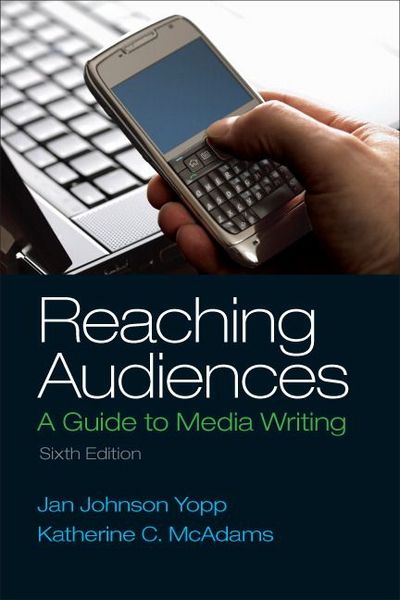
Produktbild: Reaching Audiences
- 19%

Reaching Audiences

19% sparen

141,99 € UVP 176,99 €

inkl. gesetzl. MwSt., Versandkostenfrei

Lieferung nach Hause

Beschreibung

Produktdetails

Einband

Taschenbuch

Erscheinungsdatum

10.10.2024

Verlag

Pearson Studium

Seitenzahl

336

Maße (L/B/H)

23,4/15,6/1,9 cm

Gewicht

431 g

Auflage

6

Sprache

Englisch

ISBN

978-0-205-87437-8

Beschreibung

Produktdetails

Einband

Taschenbuch

Erscheinungsdatum

10.10.2024

Verlag

Pearson Studium

Seitenzahl

336

Maße (L/B/H)

23,4/15,6/1,9 cm

Gewicht

431 g

Auflage

6

Sprache

Englisch

ISBN

978-0-205-87437-8

Herstelleradresse

Pearson
St.-Martin-Straße 82
81541 München
DE

Email: salesde@pearson.com

Kundinnen und Kunden meinen

0 Bewertungen

Informationen zu Bewertungen

Zur Abgabe einer Bewertung ist eine Anmeldung im Konto notwendig. Die Authentizität der Bewertungen wird von uns nicht überprüft. Wir behalten uns vor, Bewertungstexte, die unseren Richtlinien widersprechen, entsprechend zu kürzen oder zu löschen.

Die Bewertungen sind nach Format, Anzahl Sterne und Datum sortiert.

Verfassen Sie die erste Bewertung zu diesem Artikel

Helfen Sie anderen Kund*innen durch Ihre Meinung

Kundinnen und Kunden meinen

0 Bewertungen filtern

  • Produktbild: Reaching Audiences
  • In this Section:

    1. Brief Table of Contents
    2. Full Table of Contents
    1) Brief Table of Contents Part One: The Components of Good Writing
    • Chapter 1: Understanding Today's Audiences
    • Chapter 2: Tools for Writers: Spelling, Grammar, and Math
    • Chapter 3: Editing for Audiences
    • Chapter 4: Guidelines for Good Writing
    Part Two: Constructing the Message
    • Chapter 5: Getting to the Point
    • Chapter 6: Beyond the Lead: Writing the Message
    • Chapter 7: Specific Story Formats
    • Chapter 8: Writing for Digital Delivery
    Part Three: Gathering Information
    • Chapter 9: Research and Observation
    • Chapter 10: Interviewing, Quotes, and Attribution
    • Chapter 11: Recognizing Bias and Stereotypes
    • Chapter 12: Legal and Ethical Issues
    Part Four: Other Media
    • Chapter 13: Broadcast Media
    • Chapter 14: Strategic Communication
    2) Full Table of Contents Part One: The Components of Good Writing
    • Chapter 1: Understanding Today's Audiences
      • Reaching Audiences
      • Knowing Audiences
      • The Writing Process Explained
      • On Your Own
      • Exercises
      • References
    • Chapter 2: Tools for Writers: Spelling, Grammar, and Math
      • Spelling in the Computer Age
      • Grammar to the Rescue
      • Grammar Problems Up Close
      • Math for Writers
      • References
    • Chapter 3: Editing for Audiences
      • Watching Style
      • Editing Responsibilities
      • Editing for Online and Other Platforms
      • Putting the Editing Rules into Practice
      • Exercises
      • References
    • Chapter 4: Guidelines for Good Writing
      • Watchwords of Writing
      • Keys to Good Writing
      • Words
      • Sentences
      • Paragraphs–Short Paragraphs
      • The Way to Clearer Writing
      • Enough Guidelines!
      • Exercises
      • References
      Part Two: Constructing the Message
      • Chapter 5: Getting to the Point
        • What's the Point?
        • In the Beginning Comes the Lead
        • News Elements
        • News Values
        • General Rules for Leads
        • Summary Leads
        • Other Lead Formats
        • Writing Leads for Digital Media
        • Choosing a Lead Type and Elements
        • Exercises
      • Chapter 6: Beyond the Lead: Writing the Message
        • The Inverted Pyramid
        • Organizing a Story
        • News Peg and Nut Graph
        • Other Organizational Styles
        • Unifying Writing
        • Moving Forward
        • Exercises
        • References
      • Chapter 7: Specific Story Formats
        • News versus Feature
        • Putting It Together
        • Obituaries
        • Speech Stories
        • Exercises
        • References
      • Chapter 8: Writing for Digital Delivery
        • The World Goes Online
        • Online News and Information
        • Blogging
        • Social Media
        • What's Next with Online Content
        • Exercises
        • References
        Part Three: Gathering Information
        • Chapter 9: Research and Observation
          • Getting Started
          • Government Sources
          • Online Research
          • Observation
          • Exercises
          • References
        • Chapter 10: Interviewing, Quotes, and Attribution
          • Interviewing as a Challenge
          • Research before Interviewing
          • Getting the Interview
          • Writing the Questions
          • Conducting an Interview
          • Selecting and Using Quotes
          • More on Attribution
          • Exercises
          • References
        • Chapter 11: Recognizing Bias and Stereotypes
          • The Bias Habit
          • Considering Specific Groups
          • Overcoming Bias in Writing
          • Exercises
          • References
        • Chapter 12: Legal and Ethical Issues
          • Libel
          • Privacy
          • Copyright and Plagiarism
          • Keeping Up with Digital
          • Ethics in Gathering Information
          • Exercises
          • References
          Part Four: Other Media
          • Chapter 13: Broadcast Media
            • The Medium Changes the Style
            • Print versus Broadcast Copy
            • Leads and Structure
            • Writing Guidelines
            • Broadcast Formats
            • Effects of Technology
            • Exercises
            • References
          • Chapter 14: Strategic Communication
            • The Importance of Good Writing
            • Public Relations in Practice
            • How Media Reach Publics
            • Advertising's Role in Strategic Communication
            • Advertising and Today's Audiences
            • Strategic Communication in a digital environment
            • Exercises
            • References