KI-Beratung Beta

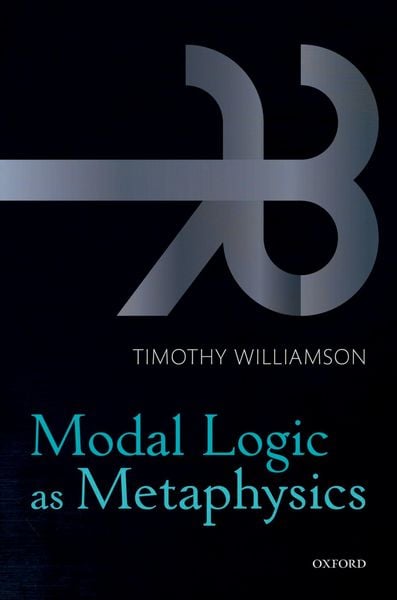
Produktbild: Modal Logic as Metaphysics

Modal Logic as Metaphysics

26,99 €

inkl. gesetzl. MwSt.

Beschreibung

Are there such things as merely possible people, who would have lived if our ancestors had acted differently? Are there future people, who have not yet been conceived? Questions like those raise deep issues about both the nature of being and its logical relations with contingency and change. In Modal...

Beschreibung

Are there such things as merely possible people, who would have lived if our ancestors had acted differently? Are there future people, who have not yet been conceived? Questions like those raise deep issues about both the nature of being and its logical relations with contingency and change. In Modal Logic as Metaphysics, Timothy Williamson argues for positive answers to those questions on the basis of an integrated approach to the issues, applying the technical resources of modal logic to provide structural cores for metaphysical theories. He rejects the search for a metaphysically neutral logic as futile. The book contains detailed historical discussion of how the metaphysical issues emerged in the twentieth century development of quantified modal logic, through the work of such figures as Rudolf Carnap, Ruth Barcan Marcus, Arthur Prior, and Saul Kripke. It proposes higher-order modal logic as a new setting in which to resolve such metaphysical questions scientifically, by the construction of systematic logical theories embodying rival answers and their comparison by normal scientific standards. Williamson provides both a rigorous introduction to the technical background needed to understand metaphysical questions in quantified modal logic and an extended argument for controversial, provocative answers to them. He gives original, precise treatments of topics including the relation between logic and metaphysics, the methodology of theory choice in philosophy, the nature of possible worlds and their role in semantics, plural quantification compared to quantification into predicate position, communication across metaphysical disagreement, and problems for truthmaker theory.

Produktdetails

Format

PDF

Kopierschutz

Ja

Family Sharing

Nein

Text-to-Speech

Nein

Produktdetails

Format

PDF

Format

eBooks im PDF-Format haben eine festgelegte Seitengröße und eignen sich daher nur bedingt zum Lesen auf einem tolino eReader oder Smartphone. Für den vollen Lesegenuss empfehlen wir Ihnen bei PDF-eBooks die Verwendung eines Tablets oder Computers.

Kopierschutz

Ja

Kopierschutz

Zum Lesen dieses eBooks auf Geräten der tolino Familie sowie auf sonstigen eReadern und am PC benötigen Sie eine ByteBook-ID. Weitere Hinweise zum Lesen von kopiergeschützten eBooks finden Sie unter Hilfe/Downloads.

Family Sharing

Nein

Family Sharing

Mit Family Sharing können Sie eBooks innerhalb Ihrer Familie (max. sechs Mitglieder im gleichen Haushalt) teilen. Sie entscheiden selbst, welches Buch Sie mit welchem Familienmitglied teilen möchten. Auch das parallele Lesen durch verschiedene Familienmitglieder ist durch Family Sharing möglich. Um eBooks zu teilen oder geteilt zu bekommen, muss jedes Familienmitglied ein Konto bei Thalia oder einem anderen tolino-Buchhändler haben. Weitere Informationen finden Sie unter Hilfe/Family-Sharing.

Text-to-Speech

Nein

Text-to-Speech

Bedeutet Ihnen Stimme mehr als Text? Mit der Funktion Text-to-Speech können Sie sich im tolino webReader und in der aktuellen Thalia – Lesen & Hören App das eBook vorlesen lassen. Weitere Informationen finden Sie unter Hilfe/Text-to-Speech.

Erscheinungsdatum

28.03.2013

Verlag Oxford University Press
Seitenzahl

(Printausgabe)

Dateigröße

3853 KB

Sprache

Englisch

EAN

9780191654763

Barrierefreiheit
  • keine Information zur Barrierefreiheit bekannt

Noch keine Bewertungen vorhanden

Verfassen Sie die erste Bewertung zu diesem Artikel

Helfen Sie anderen Kundinnen und Kunden durch Ihre Meinung.

Kundinnen und Kunden meinen

Bewertungen (0)

Weitere Artikel findest du in

Die Leseprobe wird geladen.
  • Produktbild: Modal Logic as Metaphysics