Beschreibung
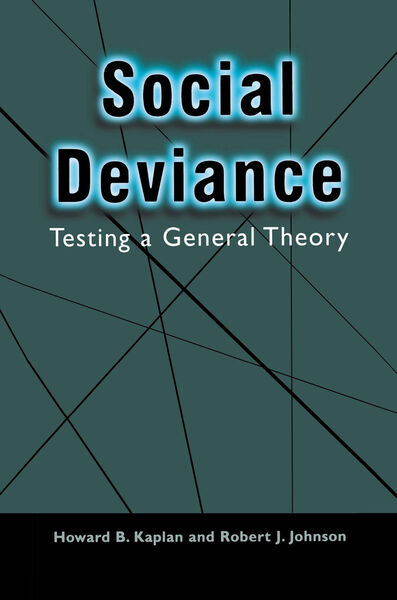
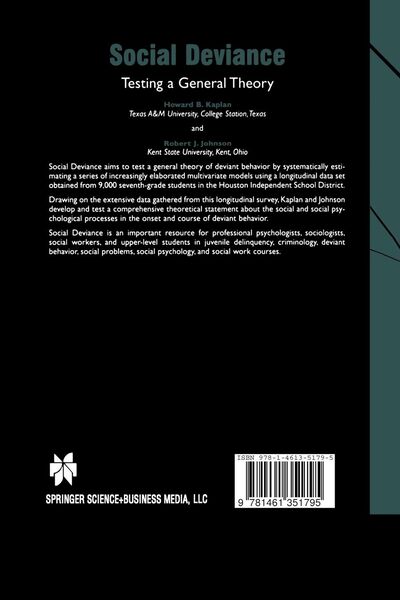
Inthisvolumewereportaseriesofanalysesofpaneldatadesignedtotestaspects ofacomprehensivetheoreticalstatementaboutthesocialandsocial-psychological processesthatplayapartintheonsetandcourse(includingcessationandcontinu ationatincreased,decreased,orconstantlevels)ofdeviantbehavior. InPartIwe outlineourtheoreticalandmethodologicalapproachtothestudyofdeviantbehav ior. ChapterIpresentsacomprehensivetheoreticalstatementthathasevolvedover aperiodofmorethantwodecades(Kaplan,1972,1975b,1980,1982,1983,1984, 1986,1995,1996)outofaconsiderationofthetheoreticalandempiricalreports ofothersandinresponsetoourownearliertestsofthegeneraltheory(Kaplan & Damphousse,1997;Kaplan&Fukurai,1992;Kaplan&Johnson,1991;Kaplan, Johnson, &Bailey,1986,1987,1988;Kaplan,Martin, &Johnson,1986;Kaplan & Peck,1992). Thestatementisorganizedasaresponsetofourinterrelatedquestions: Whatsocialandsocial-psychologicalfactors(1)influencethesocialdefinitionof deviantbehavior;(2)motivateindividualstoperformdeviantbehaviors;(3)facili tatetheperformanceofdeviantbehaviorindependentlyoforininteractionwithfac torsthatinfluencemotivationtoengageindeviantbehavior;and(4)influencethe stabilityofdeviantbehavior,independentlyoforininteractionwithfactorsthat influencetheinitiationofdeviantbehavior?Thisstatementprovidesaframework andrationaleforthemultivariatemodelsweestimateandreportinlaterpartsofthe volume. Chapter2providesdetailsofthepaneldesignandmultivariateanalytic techniques. Thesample,arandomhalfofthe1971cohortofseventhgradersina largeurbanschooldistrict,wastesteduptofourtimesbetweenearlyadolescence andyoungadulthood. Thetheoreticallyinformedmultivariatemodelsaretested usingtheLISRELVIprogram(Joreskog &Sorbom,1986)toestimatethestruc turalrelationshipsamonglatentvariables. InPartIIweestimateseveralmodelsthataccountforvariationindeviant behaviormeasuredintheninthgradeintermsofconstructsmeasuredinthesev enthandeighthgrades. InChapter3weestimate,forallsubjectswhoprovideddata duringtheseventh,eighth,andninthgradetestings,aseriesoffourincreasingly elaboratedmodelsinwhichanewvariableisaddedtotheimmediatelypreceding modelasplayingcommonantecedentand/orinterveningexplanatoryroles. The vii viii Preface mostinclusivemodelhasbeenpublishedpreviouslyinitspresentform(Kaplan & Johnson,1991);thethreelessinclusivemodelshaveappearedinsomewhatdiffer entform(Johnson &Kaplan,1987;Kaplan,Johnson, &Bailey,1986,1987;Kaplan, Martin, &Johnson,1986). Thepresentversionsdifferfromtheearlierversionsin termsofexogenousvariables,measurementvariables,samplesize,andinclusionof correlateddisturbancesinthemodels. Therepetitionofthemostinclusivemodel andthereestimationoftheotherthreemodelspermitustodescribeandeasilycom municatetheeffectsofeachsuccessivetheoreticalelaborationandtodiscussthe resultsingreaterdetailthanpublicationintheperiodicalliteraturegenerallyper mits. Thereproductionofthemostinclusivemodelalsoprovidesabaseagainst whichwecancomparethemodelsestimatedinthenexttwochapters. InChapters 4and5,respectively,weestimatethismodelforsubgroupsinordertotestassump tionsabouttheequivalenceofmeasurementmodelsandstructuralinvariance betweenthedifferentsocialgroupings. InChapter4weestimatethemodelfor malesandfemales. InChapter5weestimatethemostinclusiveexplanatorymodel forsubgroupsdifferentiatedaccordingtorace/ethnicity. InPartIIIwereportanalysesthataddressthevalidityofthemodelasan explanationofdeviantbehaviorthatismeasuredandexpressedinyoungadult hood. InChapter6theelaboratedmodelasanexplanationofdeviantbehaviorin youngadulthoodisestimatedforthemostinclusivegroupingavailable,white malesandfemalesconsideredtogether. Whenwewereattemptingtoconductsub groupanalysisforgroupsdifferentiatedaccordingtorace/ethnicity,itbecame apparentthat-unlikethesituationinpredictingdeviantbehaviorinearlyadoles cence-themeasuresofdeviantbehaviorusedfortheyoungadultanalyses formedavalidconstructonlyforthewhitesubjects. Themeasuresoftheconstruct werenotsufficientlyvalidorreliabletopermitestimationinasampleofyoung blackadults. Further,forHispan