KI-Beratung Beta

  • Produktbild: Against the Consensus
  • Produktbild: Against the Consensus

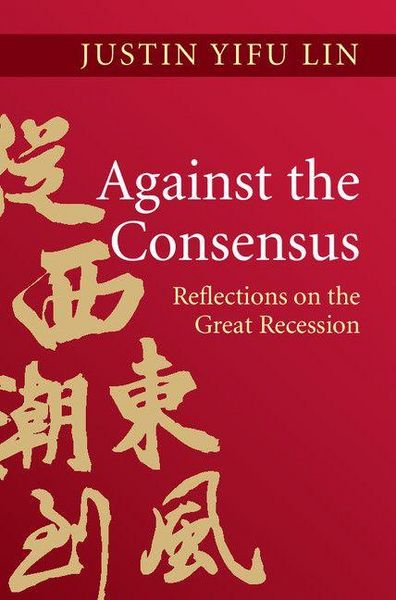
Against the Consensus

52,99 €

inkl. gesetzl. MwSt., Versandkostenfrei


Beschreibung

Produktdetails

Einband

Gebundene Ausgabe

Erscheinungsdatum

04.07.2013

Abbildungen

46 b/w illus. 14 tables

Verlag

Cambridge University Press

Seitenzahl

278

Maße (L/B/H)

23,5/15,7/2 cm

Gewicht

557 g

Sprache

Englisch

ISBN

978-1-107-03887-5

Beschreibung

Rezension

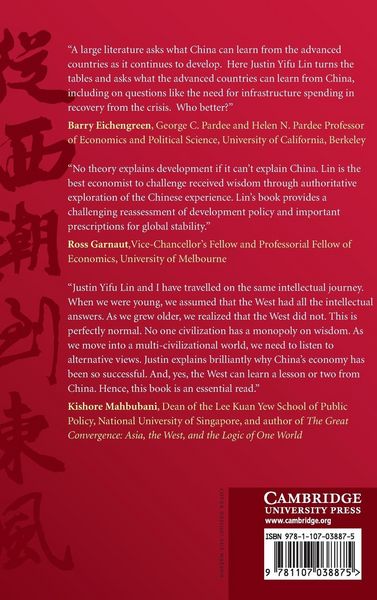
'A large literature asks what China can learn from the advanced countries as it continues to develop. Here Justin Yifu Lin turns the tables and asks what the advanced countries can learn from China, including on questions like the need for infrastructure spending in recovery from the crisis. Who better?' Barry Eichengreen, George C. Pardee and Helen N. Pardee Professor of Economics and Political Science, University of California, Berkeley

Produktdetails

Einband

Gebundene Ausgabe

Erscheinungsdatum

04.07.2013

Abbildungen

46 b/w illus. 14 tables

Verlag

Cambridge University Press

Seitenzahl

278

Maße (L/B/H)

23,5/15,7/2 cm

Gewicht

557 g

Sprache

Englisch

ISBN

978-1-107-03887-5

Herstelleradresse

Libri GmbH
Europaallee 1
36244 Bad Hersfeld
DE

Email: gpsr@libri.de

Noch keine Bewertungen vorhanden

Verfassen Sie die erste Bewertung zu diesem Artikel

Helfen Sie anderen Kundinnen und Kunden durch Ihre Meinung.

Kundinnen und Kunden meinen

Bewertungen (0)

Die Leseprobe wird geladen.
  • Produktbild: Against the Consensus
  • Produktbild: Against the Consensus
  • Preface; Overview; Part I. What Caused the 2008-9 Global Crisis?: 1. The world economy and the 2008-9 crisis; 2. The real causes of the crisis; 3. Financial deregulation and the housing bubble; 4. What's wrong with the Eurozone; 5. Why China's reserves rose so much; Part II. A Win-Win Path to Recovery: 6. Infrastructure investments - beyond Keynesianism; 7. A massive global infrastructure initiative; Part III. How Poor Countries Can Catch up: Flying Geese and Leading Dragons: 8. The mystery of the great divergence; 9. The mechanics and benefits of structural change; 10. Lessons from the failures and successes of structural transformation; 11. Unique opportunities for poor countries; Part IV. Toward a Brave New World Monetary System: 12. The evolution of the international monetary system; 13. Emerging pressures and policy challenges; 14. (In)stability of the emerging multiple reserve currency system; 15. The thinking behind the main reform proposals; 16. Costs and benefits of major reform proposals; 17. A proposal for a new global reserve currency - paper gold ('p-gold'); 18. Why it still matters; References; Index.