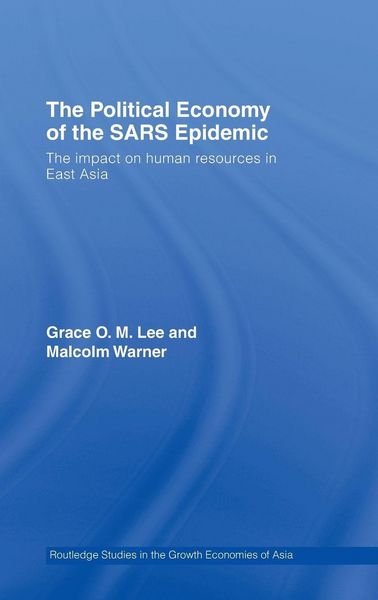

The Political Economy of the SARS Epidemic The Impact on Human Resources in East Asia
-
- Hardcover ausgewählt
- Taschenbuch
- eBook
-
Sprache:Englisch
255,99 €
inkl. gesetzl. MwSt.,
Beschreibung
Providing new insights and understanding of the political economy of SARS (Severe Acute Respiratory Syndrome) - the epidemic that swept across many Asian countries in 2003 - this engaging book examines the consequences of SARS in Asia.
Produktdetails
| Einband |
Gebundene Ausgabe |
|---|---|
| Erscheinungsdatum |
02.10.2007 |
| Abbildungen |
schwarz-weiss Illustrationen, Zeichnungen, schwarz-weiss, Tabellen, schwarz-weiss |
| Verlag | Taylor and Francis |
Noch keine Bewertungen vorhanden
Verfassen Sie die erste Bewertung zu diesem Artikel
Helfen Sie anderen Kundinnen und Kunden durch Ihre Meinung.
Kurze Frage zu unserer Seite
Vielen Dank für dein Feedback
Wir nutzen dein Feedback, um unsere Produktseiten zu verbessern. Bitte habe Verständnis, dass wir dir keine Rückmeldung geben können. Falls du Kontakt mit uns aufnehmen möchtest, kannst du dich aber gerne an unseren Kund*innenservice wenden.
zum Kundenservice