Beschreibung
Produktdetails
Einband
Taschenbuch
Erscheinungsdatum
02.06.2011
Verlag
ContinuumSeitenzahl
240
Maße (L/B/H)
23,4/15,6/1,3 cm
Gewicht
371 g
Sprache
Englisch
ISBN
978-1-4411-3542-1
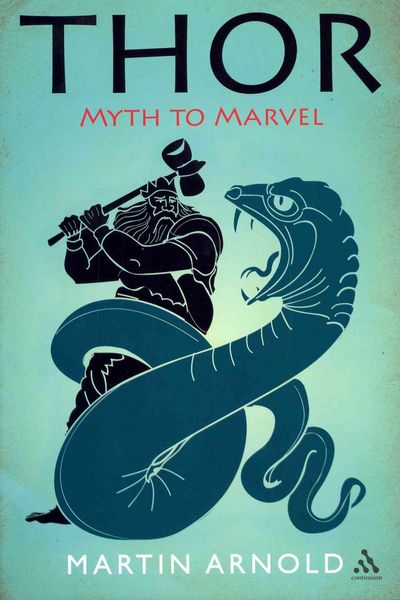
The myths of the Norse god Thor were preserved in the Icelandic Eddas, set down in the early Middle Ages. The bane of giants and trolls, Thor was worshipped as the last line of defence against all that threatened early Nordic society. Thor's significance persisted long after the Christian conversion and, in the mid-eighteenth century, Thor resumed a symbolic prominence among northern countries. Admired and adopted in Scandinavia and Germany, he became central to the rhetoric of national romanticism and to more belligerent assertions of nationalism. Resurrected in the latter part of the twentieth century in Marvel Magazine, Thor was further transformed into an articulation both of an anxious male sexuality and of a parallel nervousness regarding American foreign policy. Martin Arnold explores the extraordinary regard in which Thor has been held since medieval times and considers why and how his myth has been adopted, adapted and transformed.
Noch keine Bewertungen vorhanden
Verfassen Sie die erste Bewertung zu diesem Artikel
Helfen Sie anderen Kundinnen und Kunden durch Ihre Meinung.
Kurze Frage zu unserer Seite
Vielen Dank für dein Feedback
Wir nutzen dein Feedback, um unsere Produktseiten zu verbessern. Bitte habe Verständnis, dass wir dir keine Rückmeldung geben können. Falls du Kontakt mit uns aufnehmen möchtest, kannst du dich aber gerne an unseren Kund*innenservice wenden.
zum Kundenservice