• Produktbild: Approaching Difficulties in Literacy Development
  • Produktbild: Approaching Difficulties in Literacy Development

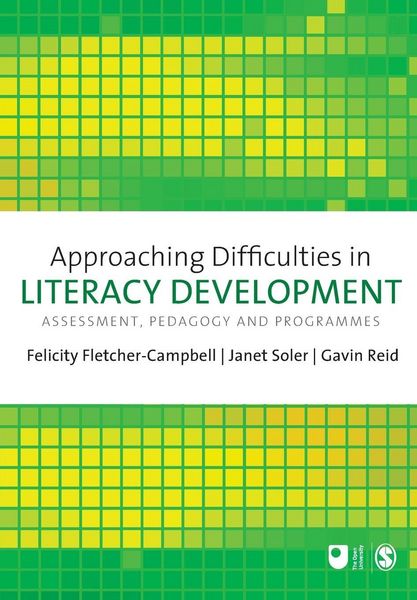
Approaching Difficulties in Literacy Development Assessment, Pedagogy and Programmes

119,99 €

inkl. gesetzl. MwSt., Versandkostenfrei

Lieferung nach Hause

Beschreibung

Produktdetails

Einband

Taschenbuch

Erscheinungsdatum

24.08.2009

Herausgeber

Fletcher-Campbell Felicity + weitere

Verlag

Sage Publications

Seitenzahl

320

Maße (L/B/H)

24,4/17/1,7 cm

Gewicht

560 g

Sprache

Englisch

ISBN

978-1-84860-771-2

Beschreibung

Produktdetails

Einband

Taschenbuch

Erscheinungsdatum

24.08.2009

Herausgeber

Verlag

Sage Publications

Seitenzahl

320

Maße (L/B/H)

24,4/17/1,7 cm

Gewicht

560 g

Sprache

Englisch

ISBN

978-1-84860-771-2

Herstelleradresse

Libri GmbH
Europaallee 1
36244 Bad Hersfeld
DE

Email: gpsr@libri.de

Kundinnen und Kunden meinen

0 Bewertungen

Informationen zu Bewertungen

Zur Abgabe einer Bewertung ist eine Anmeldung im Konto notwendig. Die Authentizität der Bewertungen wird von uns nicht überprüft. Wir behalten uns vor, Bewertungstexte, die unseren Richtlinien widersprechen, entsprechend zu kürzen oder zu löschen.

Die Bewertungen sind nach Format, Anzahl Sterne und Datum sortiert.

Verfassen Sie die erste Bewertung zu diesem Artikel

Helfen Sie anderen Kund*innen durch Ihre Meinung

Kundinnen und Kunden meinen

0 Bewertungen filtern

Weitere Artikel findest du in

  • Produktbild: Approaching Difficulties in Literacy Development
  • Produktbild: Approaching Difficulties in Literacy Development
  • PART ONE: THEORETICAL UNDERSTANDINGS: IMPLICATIONS FOR PRACTICE
    Reading, dyslexia and the brain - Usha Goswami
    Connecting early language and literacy to later reading (dis)abilities: Evidence, theory and practice - Hollis S Scarborough
    Policy and research: Lessons from the Clackmannanshire Synthetic Phonics Initiative - Sue Ellis
    Individual differences in the inference of word meanings from context: The influence of reading comprehension, vocabulary knowledge and memory capacity - Kate Cain, Jane Oakhill and Kate Lemmon
    Impact of authentic adult literacy instruction on adult literacy practices - Victoria Purcell-Gates, Sophie C Degener, Erik Jacobson and Marta Soler
    PART TWO: ASSESSING LITERACY DIFFICULTIES
    Is the PhAB really fab? The utility of the phonological assessment battery in predicting gains made by older low-progress readers following two terms of intensive literacy instruction - Kevin Wheldall and Simmone Pogorzelski
    Reception class predictors of literacy skills - Jennifer Simpson and John Everatt
    Principles for literacy assessment - Peter Johnston and Paula Costello
    PART THREE: PEDAGOGY AND PLANNING
    Dyslexia and learning style - a note of caution - Tilly Mortimore
    Mapping a pedagogy for Special Education Needs - Brahm Norwich and Ann Lewis
    Shaping literacy in the secondary school: Policy, practice and agency in the age of the national literacy strategy - Andy Goodwyn and Kate Findlay
    Headwoman¿s blues: Small group reading and the interactions of culture, gender and ability - Shuaib J Meacham
    PART FOUR: INTERVENTIONS IN DIFFERENT CONTEXTS
    Excluded voices: Class, culture and family literacy in Scotland - Lyn Tett
    Trust your own observations: Assessment of reader and tutor behaviour in learning to read in English and Maori - Ted Glynn and Stuart McNaughton
    Long-term outcomes of early reading intervention - Jane Hurry and Kathy Sylva
    Student writing in higher education: An academic literacies approach - Mary R Lea and Brian V. Street
    PART FIVE: TRANSFORMING PRACTICE
    Dyslexia and adult literacy: Does dyslexia disempower? - Hugo Kerr
    Effects of the home learning environment and preschool center experience upon literacy and numeracy development in early primary school - Edward C Melhuish, Mai B Phan, Kathy Sylva, Pam Sammons, Iram Siraj-Blatchford and Brenda Taggart