Beschreibung
Produktdetails
Einband
Taschenbuch
Erscheinungsdatum
17.09.2006
Verlag
Princeton University PressSeitenzahl
284
Maße (L/B/H)
22,9/15,2/1,7 cm
Gewicht
465 g
Sprache
Englisch
ISBN
978-0-691-12780-4
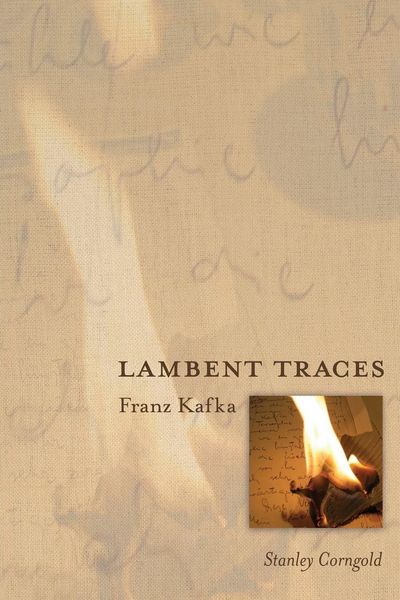
On the night of September 22, 1912, Franz Kafka wrote his story "The Judgment," which came out of him "like a regular birth." This act of creation struck him as an unmistakable sign of his literary destiny. This title traces the implications of Kafka's literary breakthrough.
Noch keine Bewertungen vorhanden
Verfassen Sie die erste Bewertung zu diesem Artikel
Helfen Sie anderen Kundinnen und Kunden durch Ihre Meinung.
Kurze Frage zu unserer Seite
Vielen Dank für dein Feedback
Wir nutzen dein Feedback, um unsere Produktseiten zu verbessern. Bitte habe Verständnis, dass wir dir keine Rückmeldung geben können. Falls du Kontakt mit uns aufnehmen möchtest, kannst du dich aber gerne an unseren Kund*innenservice wenden.
zum Kundenservice