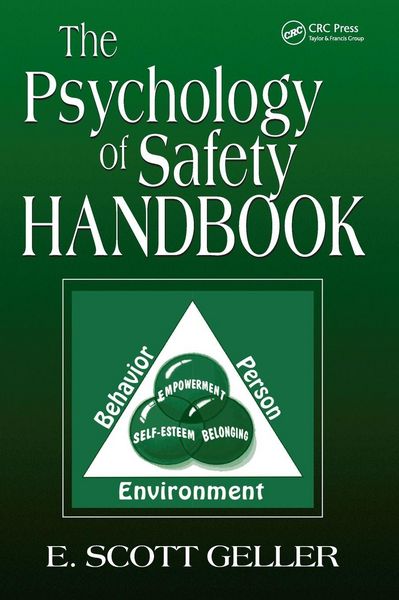

• Produktbild: The Psychology of Safety Handbook
  • Produktbild: The Psychology of Safety Handbook

The Psychology of Safety Handbook

293,99 €

inkl. gesetzl. MwSt., Versandkostenfrei

Lieferung nach Hause

Beschreibung

Produktdetails

Einband

Gebundene Ausgabe

Erscheinungsdatum

21.12.2000

Verlag

Taylor and Francis

Seitenzahl

560

Maße (L/B/H)

26/18,3/3,4 cm

Gewicht

1133 g

Auflage

2. Auflage

Sprache

Englisch

ISBN

978-1-56670-540-0

Beschreibung

Produktdetails

Einband

Gebundene Ausgabe

Erscheinungsdatum

21.12.2000

Verlag

Taylor and Francis

Seitenzahl

560

Maße (L/B/H)

26/18,3/3,4 cm

Gewicht

1133 g

Auflage

2. Auflage

Sprache

Englisch

ISBN

978-1-56670-540-0

Kundinnen und Kunden meinen

0 Bewertungen

Informationen zu Bewertungen

Zur Abgabe einer Bewertung ist eine Anmeldung im Konto notwendig. Die Authentizität der Bewertungen wird von uns nicht überprüft. Wir behalten uns vor, Bewertungstexte, die unseren Richtlinien widersprechen, entsprechend zu kürzen oder zu löschen.

Die Bewertungen sind nach Format, Anzahl Sterne und Datum sortiert.

Verfassen Sie die erste Bewertung zu diesem Artikel

Helfen Sie anderen Kund*innen durch Ihre Meinung

Kundinnen und Kunden meinen

0 Bewertungen filtern

Die Leseprobe wird geladen.
  • Produktbild: The Psychology of Safety Handbook
  • Produktbild: The Psychology of Safety Handbook
  • ORIENTATION AND ALIGNMENTChoosing the Right ApproachSelecting the Best ApproachThe Fallacy of Relying on Common SenseStart with BehaviorStarting with TheoryThe Mission StatementTheory as a MapBehavior-Based vs. Person-Based ApproachesParadigm Shifts for Total SafetyThe Old Three EsThree New EsShifting ParadigmsEnduring ValuesHUMAN BARRIERS TO SAFETYThe Complexity of PeopleFighting Human NatureCognitive FailuresInterpersonal FactorsSensation, Perception, and Perceived RiskAn Example of Selective Sensation or PerceptionPerceived RiskRisk CompensationStress vs. DistressWhat is Stress?Identifying StressorsCoping with StressorsAttributional BiasBEHAVIOR-BASED PSYCHOLOGYBasic PrinciplesPrimacy of BehaviorDirect Assessment and EvaluationIntervention by Managers and PeersLearning from ExperienceDefining Critical BehaviorsThe DO IT ProcessDefining Target BehaviorsObserving BehaviorTwo Basic ApproachesBehavioral Safety AnalysisReducing Behavioral DiscrepancyBehavior-Based Safety TrainingIntervention and the Flow of Behavior ChangeBEHAVIOR-BASED INTERVENTIONIntervening with ActivatorsPrinciple #1: Specify BehaviorPrinciple #2: Maintain Salience with NoveltyPrinciple #3: Vary the MessagePrinciple #4: Involve the Target AudiencePrinciple #5: Activate Close to Response OpportunityPrinciple #6: Implicate ConsequencesIntervening with ConsequencesThe Power of ConsequencesManaging Consequences for Safety"Dos" and "Don'ts" of Safety RewardsIntervening as a Behavior-Change AgentSelecting an Intervention Approach Intervening as a Safety CoachThe Safety Coaching ProcessWhat Can a Safety Coach Achieve? Self Appraisal of Coaching SkillsIntervening with Supportive ConversationThe Power of ConversationThe Art of Improving ConversationConversation for Safety ManagementRecognizing Safety AchievementReceiving Recognition WellQuality Safety CelebrationsChoosing the Best Management ConversationACTIVELY CARING FOR SAFETYUnderstanding Actively CaringWhat is Actively Caring?The Psychology of Actively CaringDeciding to Actively CareA Consequence Analysis of Actively CaringThe Power of ContextThe Person-Based Approach to Actively CaringActively Caring From the InsideMeasuring Actively Caring StatesTheoretical Support for the Actively Caring ModelResearch Support for the Actively Caring Model Actively Caring and Emotional IntelligenceIncreasing Actively Caring BehaviorsEnhancing the Actively Caring Person StatesThe Power of ChoiceDirectly Increasing Actively Caring BehaviorsThe Reciprocity PrincipleCommitment and ConsistencyPUTTING IT ALL TOGETHERPromoting High-Performance TeamworkParadigm Shifts for TeamworkWhen Teams Don't Work WellCultivating High-Performance TeamworkThe Developmental Stages of TeamworkEvaluating for Continuous ImprovementMeasuring the Right StuffDeveloping a Comprehensive Evaluation Process Cooking Numbers for EvaluationEvaluating Costs and BenefitsYou Cannot Measure Everything Obtaining and Maintaining InvolvementStarting the ProcessCultivating Continuous SupportOvercoming Resistance to ChangePlanning for Safety Generalization Building and Sustaining MomentumReviewing the PrinciplesThe 50 PrinciplesSubject IndexName IndexEach chapter also includes In Conclusion and Reference sections.