Beschreibung
Produktdetails
Einband
Taschenbuch
Erscheinungsdatum
01.04.1999
Verlag
Monacelli PressSeitenzahl
160
Maße (L/B/H)
30,6/25,5/1,4 cm
Gewicht
1098 g
Sprache
Englisch
ISBN
978-1-58093-019-2
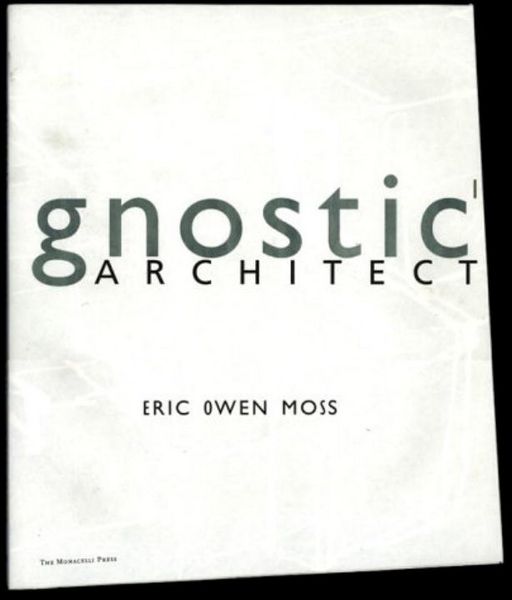
The definitive statement of Eric Owen Moss's design theory, Gnostic Architecture seeks to expand the discussion of contemporary architecture beyond debates over style or ideology. It does so, however, not by turning to conventional site analysis or fashionable intellectual trends for support but by emphasizing the architect's personal approach to the act of building. "Gnostic architecture," Moss says, "is not about faith in a movement, a methodology, a process, a technique, or technology. It is a strategy for keeping architecture in a perpetual state of motion." While Moss's gnostic approach keeps the practice of architecture on the move, it nevertheless focuses on fundamental questions that face all architects, questions that, as he says, separate architects from those who just happen to do architecture. Gnosticism allows the architect to ignore the contradictions and confusions encountered along the path that is the practice of architecture, so that he or she may rely on individual, internally derived design methods. The measure of an architect's integrity is thus dependent on his or her own internal compass and not on external factors. The book, with its unique, trapezoidal shape and suggestive visual character, gives uncanny material expression to Moss's gnosticism.
Noch keine Bewertungen vorhanden
Verfassen Sie die erste Bewertung zu diesem Artikel
Helfen Sie anderen Kundinnen und Kunden durch Ihre Meinung.
Kurze Frage zu unserer Seite
Vielen Dank für dein Feedback
Wir nutzen dein Feedback, um unsere Produktseiten zu verbessern. Bitte habe Verständnis, dass wir dir keine Rückmeldung geben können. Falls du Kontakt mit uns aufnehmen möchtest, kannst du dich aber gerne an unseren Kund*innenservice wenden.
zum Kundenservice