Gutscheinbedingungen

**Gültig bis 10.06.2026 / Gültig für gebrauchte Bücher / Mindestbestellwert 20,00 € / Einzelne Artikel können ausgeschlossen sein / Online auf www.bücher.de.de / Nicht kombinierbar mit anderen Gutscheinen oder Preisaktionen / Nur einmal pro Einkauf einlösbar / Gutschein wird auf max. 500€ Bestellwert angerechnet / Keine Barauszahlung / Nicht gültig für Versandkosten und Services

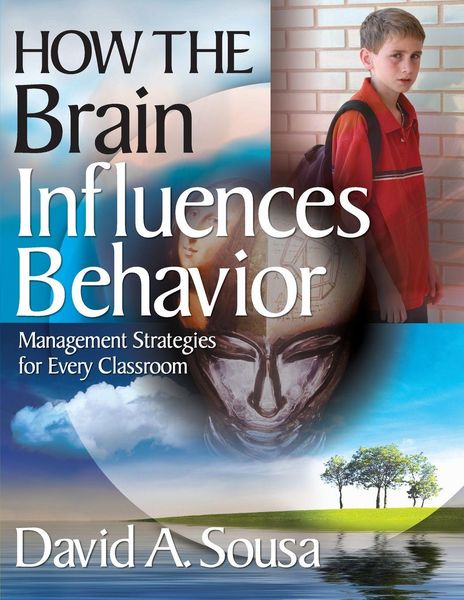
  • Produktbild: How the Brain Influences Behavior
  • Produktbild: How the Brain Influences Behavior

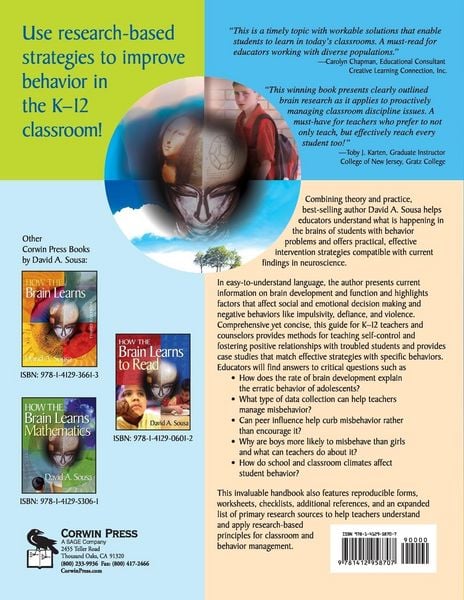
How the Brain Influences Behavior Management Strategies for Every Classroom

53,99 €

inkl. gesetzl. MwSt., Versandkostenfrei

Lieferung nach Hause

Beschreibung

Produktdetails

Einband

Taschenbuch

Erscheinungsdatum

01.07.2008

Verlag

Sage Publications

Seitenzahl

264

Maße (L/B/H)

28/21,6/1,4 cm

Gewicht

710 g

Sprache

Englisch

ISBN

978-1-4129-5870-7

Beschreibung

Produktdetails

Einband

Taschenbuch

Erscheinungsdatum

01.07.2008

Verlag

Sage Publications

Seitenzahl

264

Maße (L/B/H)

28/21,6/1,4 cm

Gewicht

710 g

Sprache

Englisch

ISBN

978-1-4129-5870-7

Herstelleradresse

Libri GmbH
Europaallee 1
36244 Bad Hersfeld
DE

Email: gpsr@libri.de

Kundinnen und Kunden meinen

0 Bewertungen

Informationen zu Bewertungen

Zur Abgabe einer Bewertung ist eine Anmeldung im Konto notwendig. Die Authentizität der Bewertungen wird von uns nicht überprüft. Wir behalten uns vor, Bewertungstexte, die unseren Richtlinien widersprechen, entsprechend zu kürzen oder zu löschen.

Die Bewertungen sind nach Format, Anzahl Sterne und Datum sortiert.

Verfassen Sie die erste Bewertung zu diesem Artikel

Helfen Sie anderen Kund*innen durch Ihre Meinung

Kundinnen und Kunden meinen

0 Bewertungen filtern

Weitere Artikel findest du in

Die Leseprobe wird geladen.
  • Produktbild: How the Brain Influences Behavior
  • Produktbild: How the Brain Influences Behavior
  • About the Author
    Acknowledgments
    Introduction
    Are Behavior Problems on the Rise?
    Can Neuroscience Help?
    About This Book
    Questions This Book Will Answer
    Chapter Contents
    Other Helpful Tools
    1. Handling Social Misbehavior
    The Social and Emotional Brain
    Emotional Processing
    Pathways of Emotional Signals
    What Leads to Social Misbehavior?
    The Teacher Is the Key
    Interventions for Handling Social Misbehavior
    Dealing With Social Anxieties
    Using Social Stories to Modify Behavior
    A Case Study: Using a Social Story for a Verbally Aggressive Student
    A Social Story for Angry Students
    Summary
    2. Dealing With Impulsive Behavior
    What Leads to Impulsivity and Violent Behavior?
    Genetic Variations
    Prenatal Exposure to Cocaine
    Cerebral Lesions
    An Important Word About Testosterone
    Ignorance of Rules of Behavior
    Some Strategies for Controlling Impulsive Behavior
    Cognitive and Cognitive-Behavioral Interventions
    Putting Impulsive Problem Behavior in a Social Context
    Using Picture Books to Curb Impulsive Anger or Anxiety
    Other Suggested Strategies
    Summary
    3. Teaching Self-Control Through Self-Verbalization
    Examining Self-Control
    What Is Self-Control?
    Are Children Learning Self-Control?
    Brain Structures for Self-Control
    Do Mirror Neurons Play a Role in Self-Control?
    Losing Self-Control
    Helping Students Regain Self-Control
    Verbal Self-Contol of Aggressive, Defiant, or Other Behavior
    The Power of Self-Talk
    The ZIPPER Strategy
    "Say No and Walk Away" to Resist Peer Pressure
    Self-Control Through Self-Talk and Self-Monitoring
    The Nature of Attention
    Self-Monitoring for Other Problem Behaviors
    Self-Control Through Self-Rating of Emotional Intensity
    The Anger Thermometer
    Summary
    4. Managing the Behavior of Boys
    Why a Concern With Boys?
    Gender Differences in Behavior
    Genetic and Environmental Factors
    Impact of Biology
    Some Research Findings on Behavioral Differences
    Using Research-Based Strategies
    Movement-Based Instruction and Classroom Management
    Boy-Friendly Instruction and Discipline
    The Responsibility Strategy
    And What About Girls?
    The Rise of Cyberbullying
    Bullying Versus Cyberbullying
    Dealing With Cyberbullying
    Summary
    5. Building Positive Relationships With Troubled Students
    Relationships and Research
    Insights From Neuroscience
    Some Research Findings
    Developing Teacher-Student Relationships
    The Importance of Positive Relationships With and for Students
    Reaching Unreachable Students With Dialogue Journals
    The Lunch Bunch: An Educator¿s Idea
    Managing Serious Behavior Problems Through Adult Mentoring
    Summary
    6. Using Peer Relationships to Modify Behavior
    Examining Peer Relationships
    Dealing With Peer Influence: A Two-Edged Sword
    The Desire to Be Liked
    Peer-Mediated Behavior Management Strategies
    Peer-Mediated Anger Management
    Factors to Consider in Peer Mediation
    Peer Confrontation to Curb Misbehavior
    The Mystery Motivator/Mystery Character Intervention to Decrease Inappropriate Behavior
    Group Contingency Interventions
    Summary
    7. Managing Oppositional Behavior
    What Is Oppositional Behavior?
    Causes of Oppositional Behavior
    Students With Oppositional Behavior in the Classroom
    Teacher Knowledge of Oppositional Behavior
    Teacher Frustration and Countercontrol
    Defiant Students: Explosions Waiting to Happen
    Avoiding Triggers for Misbehavior in the Classroom
    Teaching Students to Relax
    Other Strategies
    What About Oppositional Defiant Disorder? (ODD)
    Development of ODD
    Treatment of ODD
    Summary
    8. Developing Positive Self-Esteem
    The Nature of Self-Esteem
    The Power of Self-Esteem
    Research on Self-Esteem
    Guidelines for Building Self-Esteem
    Building a New Perspective on the Troubled Student: The Strength-Based Assessment
    What Is Strength-Based Assessment?
    Motivation and Attribution Retraining
    Motivation Research and Attribution Theory
    The "Shine My Light" Strategy
    Summary
    9. Putting It All Together
    Educational Climate: Are We Happy Here?
    What Is Classroom Climate?
    The Biology of Happiness
    Successful Behavior Management in the Classroom
    Assessing Classroom Climate
    Classrom Management and Cultural Diversity
    Guidelines for Managing Diverse Classes
    Positive Behavioral Supports in the Classroom
    What Are Positive Behavioral Supports?
    The Functional Assessment of Behavior
    The Behavioral Improvement Plan
    Multitiered Interventions and the Student Support Team
    Summary
    Conclusion
    Appendix
    Glossary
    References
    Resources
    Index