• Produktbild: Biologically Active Substances of Protozoa
  • Produktbild: Biologically Active Substances of Protozoa
- 13%

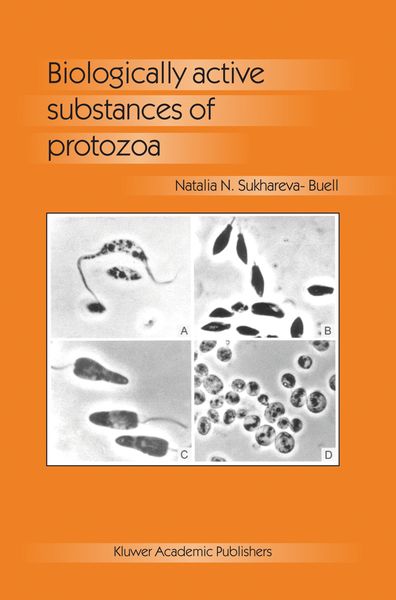
Biologically Active Substances of Protozoa

13% sparen

92,99 € UVP 106,99 €

inkl. gesetzl. MwSt., Versandkostenfrei

Lieferung nach Hause

Beschreibung

Produktdetails

Einband

Gebundene Ausgabe

Erscheinungsdatum

31.07.2003

Verlag

Springer Netherland

Seitenzahl

112

Maße (L/B/H)

24,7/16,3/1,2 cm

Gewicht

437 g

Auflage

2003 edition

Sprache

Englisch

ISBN

978-1-4020-1281-5

Beschreibung

Produktdetails

Einband

Gebundene Ausgabe

Erscheinungsdatum

31.07.2003

Verlag

Springer Netherland

Seitenzahl

112

Maße (L/B/H)

24,7/16,3/1,2 cm

Gewicht

437 g

Auflage

2003 edition

Sprache

Englisch

ISBN

978-1-4020-1281-5

Herstelleradresse

Libri GmbH
Europaallee 1
36244 Bad Hersfeld
DE

Email: [email protected]

Kundinnen und Kunden meinen

0 Bewertungen

Informationen zu Bewertungen

Zur Abgabe einer Bewertung ist eine Anmeldung im Konto notwendig. Die Authentizität der Bewertungen wird von uns nicht überprüft. Wir behalten uns vor, Bewertungstexte, die unseren Richtlinien widersprechen, entsprechend zu kürzen oder zu löschen.

Die Bewertungen sind nach Format, Anzahl Sterne und Datum sortiert.

Verfassen Sie die erste Bewertung zu diesem Artikel

Helfen Sie anderen Kund*innen durch Ihre Meinung

Kundinnen und Kunden meinen

0 Bewertungen filtern

  • Produktbild: Biologically Active Substances of Protozoa
  • Produktbild: Biologically Active Substances of Protozoa
  • Preface. Acknowledgments. Introduction. 1: Protozoa as producers of biologically active substances. 1.1. Trypanosoma cruzi as the ource of medications; selection of other species among flagellates. 1.2. Toxins and detoxification substances. 1.3. Biologically active substances of soil Protozoa. 2: Cultivation of flagellates. 2.1. Media for cultivation of flagellates. 2.2. Physiological role of main media components in the cultures of flagellates. 2.3. Conditions for flagellates growth and stimulated biosynthesis of lipids. 2.3.1. Inoculum quality and quantity. 2.3.2. pH and osmolarity regulation. 2.3.3. Influence of temperature. 2.3.4. Passive and active aeration. 3: Lipids of flagellates. 3.1. Phospholipids and sterols. 3.2. Fatty acids and conditions for stimulated biosynthesis. 3.3. Biosynthesis of lipids by flagellates. 4: Glycosylated lipids of flagellates. 4.1. Glycosyl-phosphatidylinositol (GPI) and related GIPL, LPG and LPPG. 4.2. Biological functions of GPI and related glycophospholipids. 5: Surface membrane glycoproteins of flagellates. 5.1. Variant surface glycoproteins (VSGs) and their genes rearrangement. 5.2. Sialic acids and trans-sialidases. 5.3. Membrane mucins and mucin-like glycoproteins. 6: Cytokines, eicosanoids and nitric oxide as effector molecules against parasitic flagellates. 6.1. Cytokines. 6.2. Eicosanoids. 6.3. Nitric oxide. 7: Biologically active substances of selected flagellates. 7.1. Total lipid fraction: correlation between its composition and biological activity. 7.2. Astasilid, its composition and biological activity. 7.3. Membrane glycophospholipid (GPL) and its biological activity. 7.4. Reserve polysaccharide from Astasia longa and its biological activity. Conclusion. References. Index.