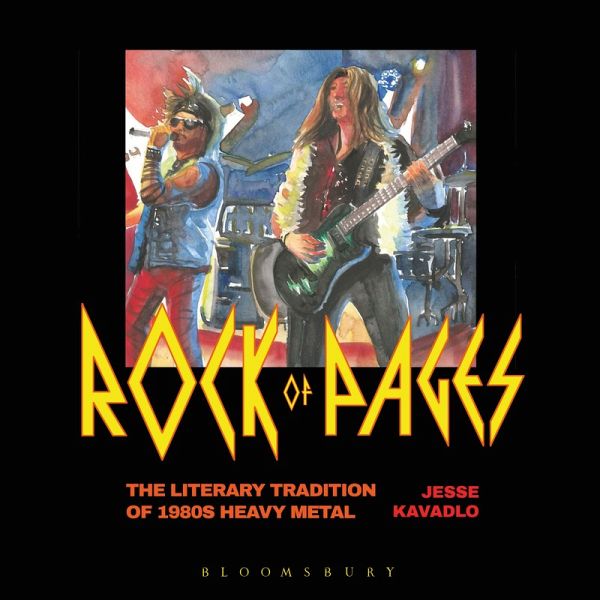
Rock of Pages (MP3-Download)
The Literary Tradition of 1980s Heavy Metal Ungekürzte Lesung. 733 Min.
Sprecher: Ragland, Christopher
Erscheint vorauss. 11. Dezember 2025
21,99 €
inkl. MwSt.
Unser Service für Vorbesteller - dein Vorteil ohne Risiko:
Sollten wir den Preis dieses Artikels vor dem Erscheinungsdatum senken, werden wir dir den Artikel bei der Auslieferung automatisch zum günstigeren Preis berechnen.
Weitere Ausgaben:

PAYBACK Punkte
11 °P sammeln!

Bloomsbury presents Rock of Pages by Jesse Kavadlo, read by Christopher Ragland. Rock of Pages provides contexts and close readings of 1980s heavy metal with forty years of hindsight, drawing upon analytical frameworks usually associated with literature and literary studies. Based on decades of work as a professor of literature and as a musician, Jesse Kavadlo analyzes the ways in which 1980s heavy metal aligns with and develops many of the themes prevalent in the canon of literature. In doing so, the book examines some of the contexts of 1980s heavy metal, including Cold War, the rise of MTV,...
Bloomsbury presents Rock of Pages by Jesse Kavadlo, read by Christopher Ragland. Rock of Pages provides contexts and close readings of 1980s heavy metal with forty years of hindsight, drawing upon analytical frameworks usually associated with literature and literary studies. Based on decades of work as a professor of literature and as a musician, Jesse Kavadlo analyzes the ways in which 1980s heavy metal aligns with and develops many of the themes prevalent in the canon of literature. In doing so, the book examines some of the contexts of 1980s heavy metal, including Cold War, the rise of MTV, and the formation of the Parents Music Resource Center (PMRC) and subsequent congressional hearings. Rock of Pages takes the PMRC's own objections to heavy metal and uses them as titles and topics to analyze the intersections between heavy metal and literature: representations of violence, but the connected concerns about justice; images of substance abuse, and the interrelated issues of obsession, madness, suicidal ideation; sex and love, with, concomitantly, representations of women and relationships between men and women; and the references to the occult, with the depictions of Satan, the afterlife, and morality on earth itself. In doing so, the book suggests that 1980s heavy metal displayed more artistry and intelligence than people imagine, but that literature is rebellious and subversive as well.
Andere Kunden interessierten sich für