The Werewolf of Bedburg: Peter Stumpp and the Making of a Monster (eBook, ePUB)

PAYBACK Punkte
0 °P sammeln!

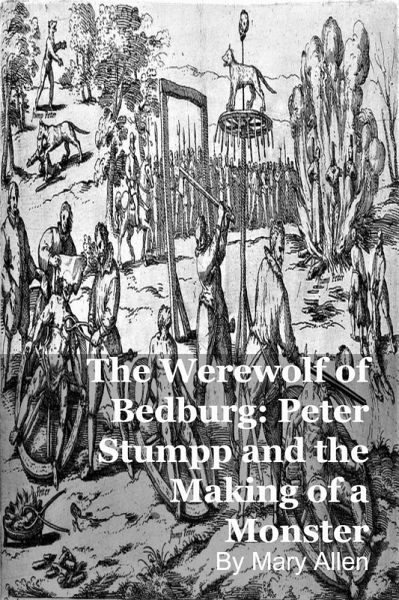
The Werewolf of Bedburg: Peter Stumpp and the Making of a MonsterIn October 1589, Peter Stumpp, a wealthy German farmer, was publicly executed with extraordinary cruelty after confessing under torture to being a werewolf who had murdered eighteen people over twenty-five years. This book examines how judicial terror, religious propaganda, and the emerging technology of print combined to transform a likely victim of persecution into history's most infamous werewolf. Through careful source criticism, the author reveals how torture produced false confessions, how Catholic authorities weaponized th...
The Werewolf of Bedburg: Peter Stumpp and the Making of a Monster
In October 1589, Peter Stumpp, a wealthy German farmer, was publicly executed with extraordinary cruelty after confessing under torture to being a werewolf who had murdered eighteen people over twenty-five years. This book examines how judicial terror, religious propaganda, and the emerging technology of print combined to transform a likely victim of persecution into history's most infamous werewolf. Through careful source criticism, the author reveals how torture produced false confessions, how Catholic authorities weaponized the case against Protestant heresy, and how commercial printers circulated sensationalized accounts that overwhelmed contemporary skepticism. Tracing the story's evolution from historical event to enduring folklore, the book demonstrates how power operates through spectacular violence and narrative control. The case illuminates the dangerous convergence of ideological certainty, judicial authority, and mass communication-a combination that enabled systematic persecution in the sixteenth century and that remains threatening today. By understanding how the Werewolf of Bedburg was constructed and why the story continues to fascinate modern audiences, readers gain critical tools for recognizing propaganda, questioning official narratives, and resisting the collective impulses that transform people into monsters deserving of destruction.
In October 1589, Peter Stumpp, a wealthy German farmer, was publicly executed with extraordinary cruelty after confessing under torture to being a werewolf who had murdered eighteen people over twenty-five years. This book examines how judicial terror, religious propaganda, and the emerging technology of print combined to transform a likely victim of persecution into history's most infamous werewolf. Through careful source criticism, the author reveals how torture produced false confessions, how Catholic authorities weaponized the case against Protestant heresy, and how commercial printers circulated sensationalized accounts that overwhelmed contemporary skepticism. Tracing the story's evolution from historical event to enduring folklore, the book demonstrates how power operates through spectacular violence and narrative control. The case illuminates the dangerous convergence of ideological certainty, judicial authority, and mass communication-a combination that enabled systematic persecution in the sixteenth century and that remains threatening today. By understanding how the Werewolf of Bedburg was constructed and why the story continues to fascinate modern audiences, readers gain critical tools for recognizing propaganda, questioning official narratives, and resisting the collective impulses that transform people into monsters deserving of destruction.
Dieser Download kann aus rechtlichen Gründen nur mit Rechnungsadresse in A, B, CY, CZ, D, DK, EW, E, FIN, F, GR, H, IRL, I, LT, L, LR, M, NL, PL, P, R, S, SLO, SK ausgeliefert werden.
Andere Kunden interessierten sich für