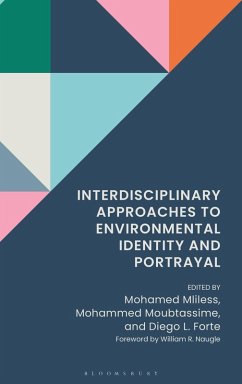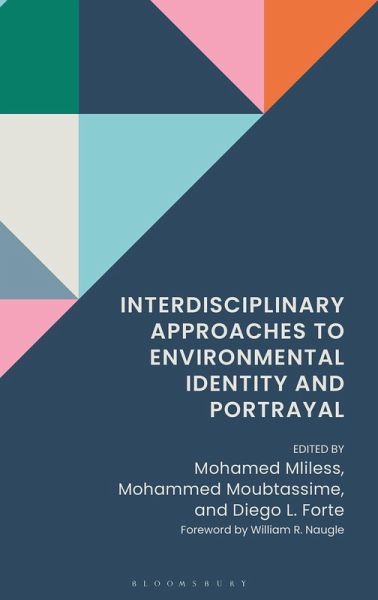
Interdisciplinary Approaches to Environmental Identity and Portrayal (eBook, ePUB)
Versandkostenfrei!
Erscheint vor. 22.01.26
67,95 €
inkl. MwSt.
Unser Service für Vorbesteller - dein Vorteil ohne Risiko:
Sollten wir den Preis dieses Artikels vor dem Erscheinungsdatum senken, werden wir dir den Artikel bei der Auslieferung automatisch zum günstigeren Preis berechnen.
Weitere Ausgaben:

PAYBACK Punkte
34 °P sammeln!

Interdisciplinary Approaches to Environmental Identity and Portrayal explores the complex relationship between humans and environment through diverse disciplinary perspectives. It examines how we construct environmental identities and represent our surroundings across multiple domains.The book begins with food production narratives and animal welfare implications before exploring the military's unexpected role in climate change mitigation. Linguistic analyses reveal how language frames landscapes as sentient entities, while technological chapters investigate digital innovation in conservation....
Interdisciplinary Approaches to Environmental Identity and Portrayal explores the complex relationship between humans and environment through diverse disciplinary perspectives. It examines how we construct environmental identities and represent our surroundings across multiple domains.
The book begins with food production narratives and animal welfare implications before exploring the military's unexpected role in climate change mitigation. Linguistic analyses reveal how language frames landscapes as sentient entities, while technological chapters investigate digital innovation in conservation.
Legal examinations cover hazardous waste regulations, sustainable development, and water rights, with Morocco serving as a case study. Historical analyses of forest management in India provide context alongside studies of hunted animal portrayals on social media.
Psychological dimensions explore how nature shapes identity and social structures, while critical chapters address environmental crises in relation to postcolonialism and gender inequality in the Global South. Feminist perspectives on conservation and literary representations of environmental issues are examined, concluding with nature's therapeutic potential through ecotherapy practices.
This resource offers insights for scholars, policymakers, and anyone seeking to understand our environmental relationships.
The book begins with food production narratives and animal welfare implications before exploring the military's unexpected role in climate change mitigation. Linguistic analyses reveal how language frames landscapes as sentient entities, while technological chapters investigate digital innovation in conservation.
Legal examinations cover hazardous waste regulations, sustainable development, and water rights, with Morocco serving as a case study. Historical analyses of forest management in India provide context alongside studies of hunted animal portrayals on social media.
Psychological dimensions explore how nature shapes identity and social structures, while critical chapters address environmental crises in relation to postcolonialism and gender inequality in the Global South. Feminist perspectives on conservation and literary representations of environmental issues are examined, concluding with nature's therapeutic potential through ecotherapy practices.
This resource offers insights for scholars, policymakers, and anyone seeking to understand our environmental relationships.
Andere Kunden interessierten sich für