
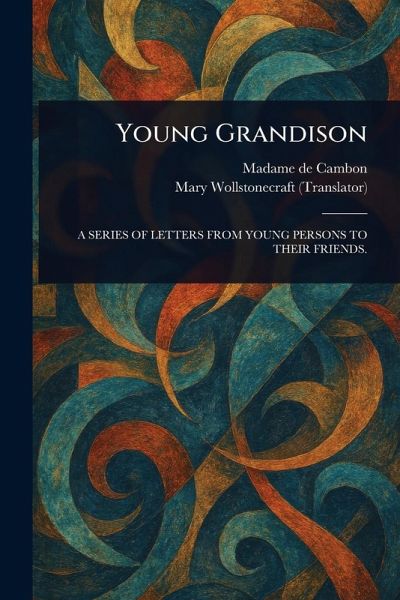
Young Grandison

PAYBACK Punkte
9 °P sammeln!

Rediscover the charm of "Young Grandison, Vol. 2 of 2," a captivating epistolary novel by Madame de Cambon. This classic of young adult literature unfolds through a series of letters, offering an intimate glimpse into the lives and friendships of its characters. Translated from the Dutch, this volume continues the exploration of youthful relationships and moral development that made the original so popular. As an example of epistolary fiction, the narrative intricately weaves together personal correspondence, revealing hidden emotions and unspoken desires. Readers who appreciate the art of let...
Rediscover the charm of "Young Grandison, Vol. 2 of 2," a captivating epistolary novel by Madame de Cambon. This classic of young adult literature unfolds through a series of letters, offering an intimate glimpse into the lives and friendships of its characters. Translated from the Dutch, this volume continues the exploration of youthful relationships and moral development that made the original so popular. As an example of epistolary fiction, the narrative intricately weaves together personal correspondence, revealing hidden emotions and unspoken desires. Readers who appreciate the art of letter-writing and the nuances of human connection will be drawn to this unique storytelling format. "Young Grandison" remains a testament to the enduring power of friendship and the timeless appeal of classic literature. This carefully prepared print republication offers a chance to experience a piece of literary history. This work has been selected by scholars as being culturally important, and is part of the knowledge base of civilization as we know it. This work is in the public domain in the United States of America, and possibly other nations. Within the United States, you may freely copy and distribute this work, as no entity (individual or corporate) has a copyright on the body of the work. Scholars believe, and we concur, that this work is important enough to be preserved, reproduced, and made generally available to the public. We appreciate your support of the preservation process, and thank you for being an important part of keeping this knowledge alive and relevant.
Andere Kunden interessierten sich für