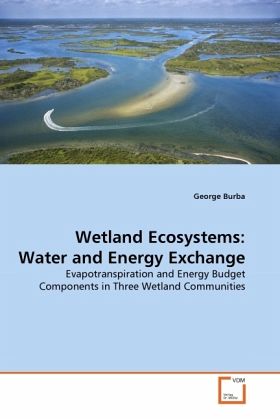
Wetland Ecosystems: Water and Energy Exchange
Evapotranspiration and Energy Budget Components in Three Wetland Communities
Versandkostenfrei!
Versandfertig in 6-10 Tagen
32,99 €
inkl. MwSt.

PAYBACK Punkte
16 °P sammeln!

Exchange of water, heat and other energy components between wetlands and the lower portion of the atmosphere is essential for functioning and development of these ecosystems, and for the decisions related to conservation or modification of wetlands. Transformation of the energy components by key parts of the ecosystem, such as water body and vegetated canopy, and complex exchange between the latter are often described in terms of energy fluxes. In this book, the diurnal and seasonal exchange of water, energy and heat storage is quantified, and compared across three wetland communities: reedgra...
Exchange of water, heat and other energy components between wetlands and the lower portion of the atmosphere is essential for functioning and development of these ecosystems, and for the decisions related to conservation or modification of wetlands. Transformation of the energy components by key parts of the ecosystem, such as water body and vegetated canopy, and complex exchange between the latter are often described in terms of energy fluxes. In this book, the diurnal and seasonal exchange of water, energy and heat storage is quantified, and compared across three wetland communities: reedgrass, bulrush, and open water. Total water loss is partitioned into surface evaporation and plant canopy transpiration, and examined in terms of main controlling variables. Actual, potential and equilibrium evapotranspiration rates are also examined in the framework of Penman-Monteith and McNaughton-Spriggs models, leading to an improvement in understanding the mechanisms of the water loss in wetlands. This study could be useful for professionals in Natural and Ecosystem Sciences, Hydrology, and in Natural Resources and Water Management.
Andere Kunden interessierten sich für