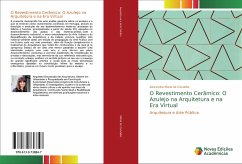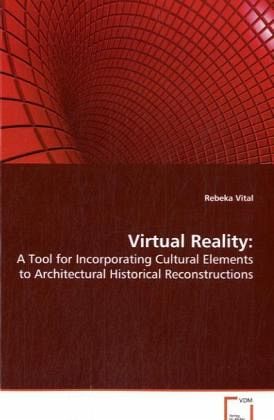
Virtual Reality:
A Tool for Incorporating Cultural Elements to Architectural Historical Reconstructions
Versandkostenfrei!
Versandfertig in 6-10 Tagen
39,99 €
inkl. MwSt.

PAYBACK Punkte
20 °P sammeln!

Digital technology has the potential to change theway architectural history is presented andperceived. A primary premise of this book is that toproperly represent and research architecturalhistorical reconstructions, two aspects of theobject of study should be examined: the physical andthe cultural identity of the structure or site. Themost effective tool for the representation of boththese two aspects is virtual reality.The research begins by assessing theadvantages and the challenges of using VRmethodology for architectural reconstructions. Thetopics explored include concrete techniques ofin...
Digital technology has the potential to change theway architectural history is presented andperceived. A primary premise of this book is that toproperly represent and research architecturalhistorical reconstructions, two aspects of theobject of study should be examined: the physical andthe cultural identity of the structure or site. Themost effective tool for the representation of boththese two aspects is virtual reality.The research begins by assessing theadvantages and the challenges of using VRmethodology for architectural reconstructions. Thetopics explored include concrete techniques ofincorporating and representing the cultural identityof a site into the digital architectural model. Theconcepts are evaluated through the example of a casestudy: the reconstruction of a Jewish site inThessaloniki, Greece in the first half of the 20thcentury.Based on this research, at issue are theimpact such a methodology has on collective memorythe responsibilities of scholars and institutionsthat create such reconstructions.
Andere Kunden interessierten sich für