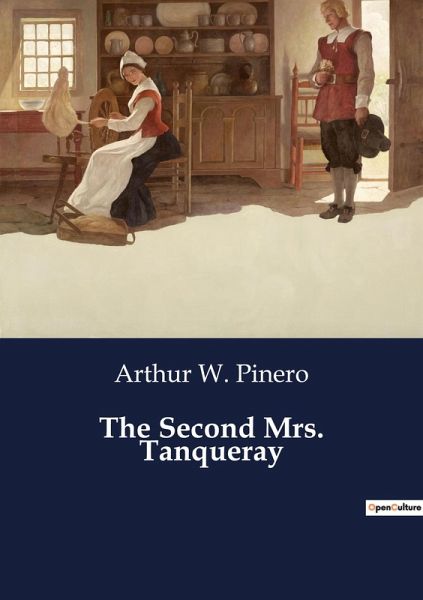
The Second Mrs. Tanqueray
A Study of Social Constraints and Personal Redemption
Versandkostenfrei!
Versandfertig in 1-2 Wochen
15,95 €
inkl. MwSt.

PAYBACK Punkte
0 °P sammeln!

"The Second Mrs. Tanqueray" by Arthur W. Pinero is a play that delves into the complexities of social acceptance, personal redemption, and the challenges of blending families. Set in the late 19th century, the narrative revolves around Aubrey Tanqueray, a man in his forties who decides to remarry after the death of his first wife. His new wife, Paula, is a woman with a controversial past, which becomes a source of tension and societal scrutiny. The play opens with Aubrey announcing his impending marriage to his friends, who are taken aback by the news, especially given Paula's reputation. Desp...
"The Second Mrs. Tanqueray" by Arthur W. Pinero is a play that delves into the complexities of social acceptance, personal redemption, and the challenges of blending families. Set in the late 19th century, the narrative revolves around Aubrey Tanqueray, a man in his forties who decides to remarry after the death of his first wife. His new wife, Paula, is a woman with a controversial past, which becomes a source of tension and societal scrutiny. The play opens with Aubrey announcing his impending marriage to his friends, who are taken aback by the news, especially given Paula's reputation. Despite the societal norms and potential alienation from his social circle, Aubrey is determined to marry Paula, believing in the possibility of a fresh start and mutual happiness. The play further explores the dynamics between Paula and Aubrey's daughter, Ellean, from his first marriage. Ellean, who has been raised in a convent, struggles to accept Paula as her stepmother, leading to a strained relationship. Paula, on her part, is eager to be accepted and loved, not only by Ellean but also by the society that shuns her. The tension between Paula's desire for acceptance and the rigid social structures forms the crux of the narrative. As the story unfolds, the characters grapple with their pasts, societal expectations, and the quest for personal happiness. Pinero's play is a poignant exploration of the themes of love, redemption, and the societal constraints that dictate personal relationships. It challenges the audience to reflect on the nature of forgiveness and the possibility of change, while also critiquing the rigid moral codes of the time.
Andere Kunden interessierten sich für