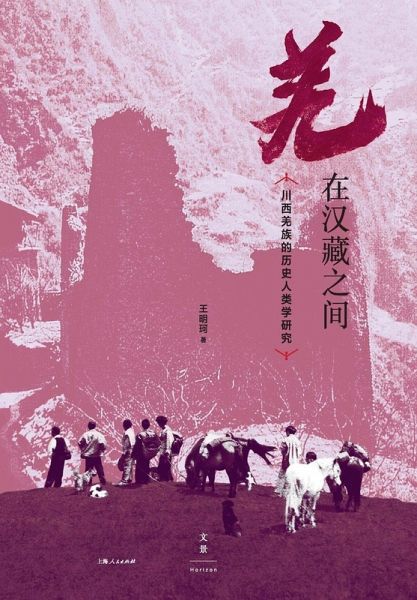
The Qiang Between Han and Tibetan
A Historical Anthropological Study of the Qiang People in Western Sichuan/¿¿¿¿¿¿¿¿¿¿¿¿¿¿¿¿¿¿¿
Versandkostenfrei!
Versandfertig in 1-2 Wochen
106,99 €
inkl. MwSt.

PAYBACK Punkte
53 °P sammeln!

This work interweaves a decade of fieldwork with the millennial roots of the Qiang people, examines the formation and evolution of the Chinese periphery, and interrogates new interpretations of "ethnicity" and "history." ¿¿¿¿¿¿¿¿¿¿¿¿¿¿¿¿¿¿¿¿¿¿¿¿¿¿¿"¿¿""¿¿"¿¿¿ The Qiang Between Han and Tibetan is one of the representative works of the historical anthropologist Wang Ming-ke. Over more than a decade, the author repeatedly conducted fieldwork in the mountainous settlements of the Qiang people within the Min River and Jian River basins of western Sichuan, specifica...
This work interweaves a decade of fieldwork with the millennial roots of the Qiang people, examines the formation and evolution of the Chinese periphery, and interrogates new interpretations of "ethnicity" and "history." ¿¿¿¿¿¿¿¿¿¿¿¿¿¿¿¿¿¿¿¿¿¿¿¿¿¿¿"¿¿""¿¿"¿¿¿ The Qiang Between Han and Tibetan is one of the representative works of the historical anthropologist Wang Ming-ke. Over more than a decade, the author repeatedly conducted fieldwork in the mountainous settlements of the Qiang people within the Min River and Jian River basins of western Sichuan, specifically spanning areas such as Wenchuan, Maoxian, Lixian, Beichuan, and Songpan. His approach involved multi-sited and mobile ethnographic investigation. Building upon the collected field texts and rich historical archives, Wang Ming-ke uses the Qiang as a case study to deeply explore the origins of "ethnicity" and the integration and transformation of peoples along the periphery of Huaxia (Chinese civilization). He formulates creative historical-anthropological theoretical concepts such as "each segment scolding the next," "poisonous cat," and "heroic ancestors and brother peoples." The book is divided into three parts-"Society," "History," and "Culture"-which respectively examine identity and distinction within Qiang social structure, the formation of canonical narratives and historical mentality in Qiang history, and cultural reinvention and performance under ethnic identity. Wang Ming-ke argues that the Qiang are simultaneously an ancient people, perceived by others as having existed for three thousand years, and a modern ethnic group whose name and historical narrative have only become self-consciously known to its members in recent decades. Like all other "minzu" (ethnic groups), the Qiang are both a creation of history and a creator of history. From the Hehuang Qiang of the Han Dynasty and the various Xishan Qiang of the Tang Dynasty to the Qiang people of the first half of the 20th century and the contemporary Qiang minzu, all are products of historical facts and historical memory. In turn, they have responded to dominant narratives through various representations and actions, contributing to historical realities-such as interactions with the medieval Chinese dynasties and the Tibetan Empire-thereby shaping their internal ethnic identity. It is within this interplay of history and "History" that the "Qiang" have become a fluid and shifting margin between Han and Tibetan. ¿¿¿¿¿¿¿¿¿¿¿¿¿¿¿¿¿¿¿¿¿¿¿¿¿¿¿¿¿¿¿¿¿¿¿¿¿¿¿¿¿¿¿¿¿¿¿¿¿¿¿¿¿¿¿¿¿¿¿¿¿¿¿¿¿¿¿¿¿¿¿¿¿¿¿¿¿¿¿¿¿¿¿¿¿¿¿¿¿¿¿¿¿¿¿¿¿¿¿¿¿¿¿¿¿¿¿¿¿¿¿¿¿¿¿¿¿¿¿¿¿¿¿¿¿¿"¿"¿¿¿¿¿¿¿¿¿"¿¿"¿¿¿¿¿¿¿¿¿¿¿¿¿¿¿¿¿¿¿¿¿¿"¿¿¿¿¿""¿¿¿""¿¿¿¿¿¿¿¿¿"¿¿¿¿¿¿¿¿¿¿¿¿¿¿¿¿¿¿¿¿¿"¿¿¿""¿¿¿""¿¿¿"¿¿¿¿¿¿¿¿¿¿¿¿¿¿¿¿¿¿¿¿¿¿¿¿¿¿¿¿¿¿¿¿¿¿¿¿¿¿¿¿¿¿¿¿¿¿¿¿¿¿¿¿¿¿¿ ¿¿¿¿¿¿¿¿¿¿¿¿¿¿¿¿¿¿¿¿¿¿¿¿¿¿¿¿¿¿¿¿¿¿¿¿¿¿¿¿¿¿¿¿¿¿¿¿¿¿¿¿¿¿¿¿¿¿¿¿¿"¿¿"¿¿¿¿¿¿¿¿¿¿¿¿¿¿¿¿¿¿¿¿¿¿¿¿¿¿¿¿¿¿¿¿¿¿¿¿¿¿¿¿20¿¿¿¿¿¿¿¿¿¿¿¿¿¿¿¿¿¿¿¿¿¿¿¿¿¿¿¿¿¿¿¿¿¿¿¿¿¿¿¿¿¿¿¿¿¿¿¿¿¿¿¿¿¿¿¿¿¿¿¿¿¿¿¿¿¿¿¿¿¿¿¿¿¿¿¿¿¿¿¿¿¿¿¿¿¿¿¿¿¿¿¿¿¿¿"¿¿"¿¿"¿"¿¿¿¿¿¿¿¿¿¿¿