The Nose
Versandkostenfrei!
Versandfertig in 1-2 Wochen
7,60 €
inkl. MwSt.
Weitere Ausgaben:

PAYBACK Punkte
0 °P sammeln!

Nikolai Gogol's "The Nose," a satirical novella first published in 1836, delves into the absurdity of social status and identity in Tsarist Russia. Through the bizarre tale of a St. Petersburg man named Kovalyov who wakes to find that his nose has inexplicably detached itself and taken on a life of its own, Gogol employs a unique blend of magical realism and biting humor. The narrative moves seamlessly between the grotesque and the absurd, effectively capturing the existential crises and bewildering nature of human experience, while also critiquing the bureaucratic and social hierarchies of th...
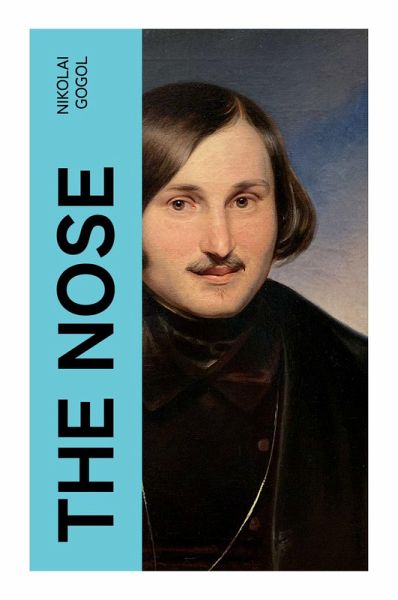
Nikolai Gogol's "The Nose," a satirical novella first published in 1836, delves into the absurdity of social status and identity in Tsarist Russia. Through the bizarre tale of a St. Petersburg man named Kovalyov who wakes to find that his nose has inexplicably detached itself and taken on a life of its own, Gogol employs a unique blend of magical realism and biting humor. The narrative moves seamlessly between the grotesque and the absurd, effectively capturing the existential crises and bewildering nature of human experience, while also critiquing the bureaucratic and social hierarchies of the time. Gogol's prose is characterized by keen observation and sharp wit, making this work a staple of Russian literature and an early precursor to modern absurdist movements. Gogol was born in 1809 in Ukraine, and his diverse experiences shaped his unconventional literary voice. The mixture of Ukrainian folklore, his own struggles with identity, and the social institutions of his time profoundly influenced his writing. "The Nose" reflects Gogol's fascination with the bizarre intricacies of human emotion and societal expectations, showcasing his innovative approach to narrative and character. For readers seeking a clever and incisive exploration of the human condition, "The Nose" is an essential read. Gogol's masterful blend of humor and pathos not only entertains but also provides a deep commentary on the absurdities of life. This novella invites readers to reflect on the nature of selfhood and the often ridiculous constructs that define social standing.