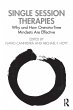


Single Session Therapies
Why and How One-at-a-Time Mindsets Are Effective
Herausgegeben: Cannistrà, Flavio; Hoyt, Michael F.
Versandkostenfrei!
Versandfertig in 6-10 Tagen
29,99 €
inkl. MwSt.

PAYBACK Punkte
15 °P sammeln!

This volume presents the latest information from international leaders as well as emerging experts on how to make Single Session Therapy (SST) efficient and effective.Key topics involve productive mindsets and multi-theoretical clinical methods with different problems and populations (including individuals, families, adolescents, children and couples), as well as walk-in and by-appointment access, digital services, implementation and training, the structure and aesthetics of a single session, and connections to sports coaching.It is an essential book for practicing professionals, such as psych...
This volume presents the latest information from international leaders as well as emerging experts on how to make Single Session Therapy (SST) efficient and effective.
Key topics involve productive mindsets and multi-theoretical clinical methods with different problems and populations (including individuals, families, adolescents, children and couples), as well as walk-in and by-appointment access, digital services, implementation and training, the structure and aesthetics of a single session, and connections to sports coaching.
It is an essential book for practicing professionals, such as psychologists, social workers, psychiatrists, counselors, case workers, and behavioral healthcare specialists, as well as graduate students and healthcare administrators and policymakers.
Key topics involve productive mindsets and multi-theoretical clinical methods with different problems and populations (including individuals, families, adolescents, children and couples), as well as walk-in and by-appointment access, digital services, implementation and training, the structure and aesthetics of a single session, and connections to sports coaching.
It is an essential book for practicing professionals, such as psychologists, social workers, psychiatrists, counselors, case workers, and behavioral healthcare specialists, as well as graduate students and healthcare administrators and policymakers.
Andere Kunden interessierten sich für