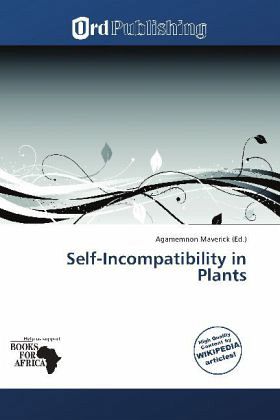
Self-Incompatibility in Plants
Flowering Plant
Herausgegeben: Maverick, Agamemnon
Versandkostenfrei!
Versandfertig in 6-10 Tagen
23,99 €
inkl. MwSt.

PAYBACK Punkte
12 °P sammeln!

Self-incompatibility (SI) is a general name for several genetic mechanisms in angiosperms, which prevent self-fertilization and thus encourage outcrossing. In plants with SI, when a pollen grain produced in a plant reaches a stigma of the same plant or another plant with a similar genotype, the process of pollen germination, pollen tube growth, ovule fertilization, and embryo development is halted at one of its stages, and consequently no seeds are produced. SI is one of the most important means to prevent selfing and promote the generation of new genotypes in plants, and it is considered as o...
Self-incompatibility (SI) is a general name for several genetic mechanisms in angiosperms, which prevent self-fertilization and thus encourage outcrossing. In plants with SI, when a pollen grain produced in a plant reaches a stigma of the same plant or another plant with a similar genotype, the process of pollen germination, pollen tube growth, ovule fertilization, and embryo development is halted at one of its stages, and consequently no seeds are produced. SI is one of the most important means to prevent selfing and promote the generation of new genotypes in plants, and it is considered as one of the causes for the spread and success of the angiosperms on the earth.
Andere Kunden interessierten sich für