Reimagining the Post-Conflict State
Versandkostenfrei!
Erscheint vorauss. 14. Mai 2026
97,99 €
inkl. MwSt.

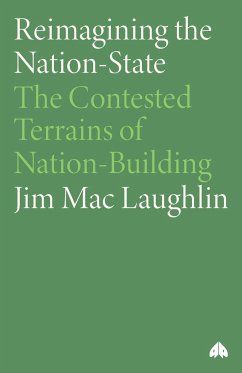
To achieve peace and reconciliation, the post-conflict states must reimagine itself, changing power dynamics and incorporating new voices into the national narrative. While the literature on post-conflict states has focused on state-building, it has been largely silent when it comes to nation-building. In this work, the author argues that these states need to fundamentally reimagine themselves-who they are and who is part of their "imagined community." On both the macro and micro levels, this book explores whether post-conflict states have fundamentally changed-altered their power dynamics, in...
To achieve peace and reconciliation, the post-conflict states must reimagine itself, changing power dynamics and incorporating new voices into the national narrative. While the literature on post-conflict states has focused on state-building, it has been largely silent when it comes to nation-building. In this work, the author argues that these states need to fundamentally reimagine themselves-who they are and who is part of their "imagined community." On both the macro and micro levels, this book explores whether post-conflict states have fundamentally changed-altered their power dynamics, incorporated the voices of all societal groups in the national narrative, and acknowledged the disparate memories of the past, including its "inconvenient truths." Through an in-depth exploration of the peace agreements that ended the conflicts, as wells as of the nations' constitutions and efforts at constitutional change, their educational systems, curriculum reform efforts, and the history textbooks used after the conflict ends, this book examines the challenges post-conflict states face as they try to transcend their violent past and achieve peace and reconciliation.
Andere Kunden interessierten sich für